Top 10 Home Workout Exercises for Beginners in India

Starting a fitness journey does not require an expensive gym membership or fancy equipment. Millions of people across India are discovering the power of a solid home workout routine that delivers real results. Whether you live in a compact apartment in Mumbai or a house in Chandigarh, these exercises need nothing more than your body weight and a small patch of floor space.
As a NASM Certified fitness coach, I have helped hundreds of clients across India build impressive physiques and transform their health -- many of them training entirely from home. In this guide, I will walk you through the top 10 home workout exercises that are perfect for beginners, with exact sets, reps, and technique cues so you can start today.
Why Home Workouts Work So Well in India
India presents unique challenges for fitness enthusiasts. Gym timings may clash with long commutes, monsoon season makes outdoor exercise unpredictable, and air quality in many cities can make running outdoors a health risk during certain months. A well-structured home workout eliminates all of these barriers.
Home workouts also save money. A decent gym membership in a metro city can cost anywhere from Rs 2,000 to Rs 10,000 per month. With bodyweight training, that investment is zero -- and you can train at any hour that suits your schedule.
The key is not where you train -- it is how you train. Progressive overload, proper form, and consistency matter far more than having access to machines. Let us get into the exercises.
The Top 10 Home Workout Exercises for Beginners
1. Bodyweight Squats
Target muscles: Quadriceps, glutes, hamstrings, core
The squat is the king of lower body exercises. Stand with feet shoulder-width apart, toes slightly turned out. Push your hips back as if sitting into a chair. Lower until your thighs are parallel to the floor. Keep your chest up and knees tracking over your toes. Drive through your heels to stand back up.
Beginner prescription: 3 sets of 15 reps. Rest 60 seconds between sets.
2. Push-Ups (Modified if Needed)
Target muscles: Chest, shoulders, triceps, core
Start in a high plank position -- hands slightly wider than shoulder-width, body in a straight line. Lower your chest toward the floor by bending your elbows. Push back up. If too challenging, drop your knees to the floor.
Beginner prescription: 3 sets of 8-12 reps. Rest 60 seconds between sets.
3. Lunges (Forward or Reverse)
Target muscles: Quadriceps, glutes, hamstrings, hip stabilizers
Stand tall. Step one foot forward about 2-3 feet and lower your back knee toward the floor. Both knees should bend to roughly 90 degrees. Push through the front heel to return to standing.
Beginner prescription: 3 sets of 10 reps per leg. Rest 60 seconds between sets.
4. Plank Hold
Target muscles: Entire core
Get into a forearm plank position. Elbows directly under your shoulders, body in a perfectly straight line. Squeeze your glutes and brace your core. Do not let your hips sag or pike up.
Beginner prescription: 3 sets, hold for 20-30 seconds. Rest 45 seconds between sets.
5. Glute Bridges
Target muscles: Glutes, hamstrings, lower back
Lie on your back with knees bent and feet flat on the floor. Press through your heels and squeeze your glutes to lift your hips toward the ceiling. Hold for 2 seconds, then lower slowly.
Beginner prescription: 3 sets of 15 reps. Rest 45 seconds between sets.
6. Mountain Climbers
Target muscles: Core, hip flexors, shoulders, cardiovascular system
Start in a high plank position. Drive one knee toward your chest, then quickly switch legs. Keep your hips level and core tight throughout.
Beginner prescription: 3 sets of 20 total reps (10 per side). Rest 60 seconds between sets.
7. Superman Hold
Target muscles: Lower back, glutes, upper back
Lie face down with arms extended overhead. Simultaneously lift your arms, chest, and legs off the floor. Hold for 2-3 seconds at the top, then lower with control.
Beginner prescription: 3 sets of 10 reps with a 2-second hold. Rest 45 seconds between sets.
8. Jumping Jacks
Target muscles: Full body cardiovascular exercise
Stand with feet together and arms at your sides. Jump your feet out wide while raising your arms overhead. Jump back to the starting position.
Beginner prescription: 3 sets of 30 seconds. Rest 30 seconds between sets.
9. Tricep Dips (Using a Chair)
Target muscles: Triceps, shoulders, chest
Sit on the edge of a sturdy chair. Place your hands next to your hips gripping the edge. Walk your feet out and slide your hips off the chair. Lower your body by bending your elbows to about 90 degrees. Push back up.
Beginner prescription: 3 sets of 8-10 reps. Rest 60 seconds between sets.
10. High Knees
Target muscles: Hip flexors, core, cardiovascular system
Stand tall. Run in place, driving your knees up to hip height with each step. Pump your arms in rhythm with your legs.
Beginner prescription: 3 sets of 20 seconds. Rest 30 seconds between sets.
The Complete Beginner Home Workout Routine
Warm-Up (5 minutes):
- Jumping Jacks -- 2 sets of 30 seconds
- High Knees -- 2 sets of 20 seconds
- Arm circles and hip rotations -- 1 minute
Main Workout (25-30 minutes):
- Bodyweight Squats -- 3 x 15
- Push-Ups -- 3 x 8-12
- Lunges -- 3 x 10 per leg
- Plank Hold -- 3 x 20-30 seconds
- Glute Bridges -- 3 x 15
- Mountain Climbers -- 3 x 20 total
- Superman Hold -- 3 x 10
- Tricep Dips -- 3 x 8-10
Common Mistakes Beginners Make
Skipping the warm-up: Your muscles and joints need preparation. Always spend 5 minutes warming up.
Prioritizing speed over form: Doing 50 sloppy push-ups is worse than doing 10 perfect ones.
Training every single day: Your muscles grow during rest. Take at least 2-3 rest days per week.
Ignoring nutrition: Exercise is only half the equation. Pair your home workout with a balanced diet rich in protein and whole foods.
When Should You Consider Getting a Coach?
If you have been training for a few weeks and want a structured plan tailored to your body, goals, and schedule, working with a certified fitness coach can accelerate your results dramatically. Coach Himanshu has helped clients across India build custom home workout programs that deliver measurable progress.
Ready to take your home workouts to the next level? Take the free fitness assessment to get started, or explore the training plans available.
Final Thoughts
A home workout in India is not a compromise -- it is a smart, sustainable approach to fitness. These 10 exercises cover your entire body, require zero equipment, and can be done in under 40 minutes. Start with 3 sessions per week, focus on proper form, and progressively challenge yourself.
Related Articles
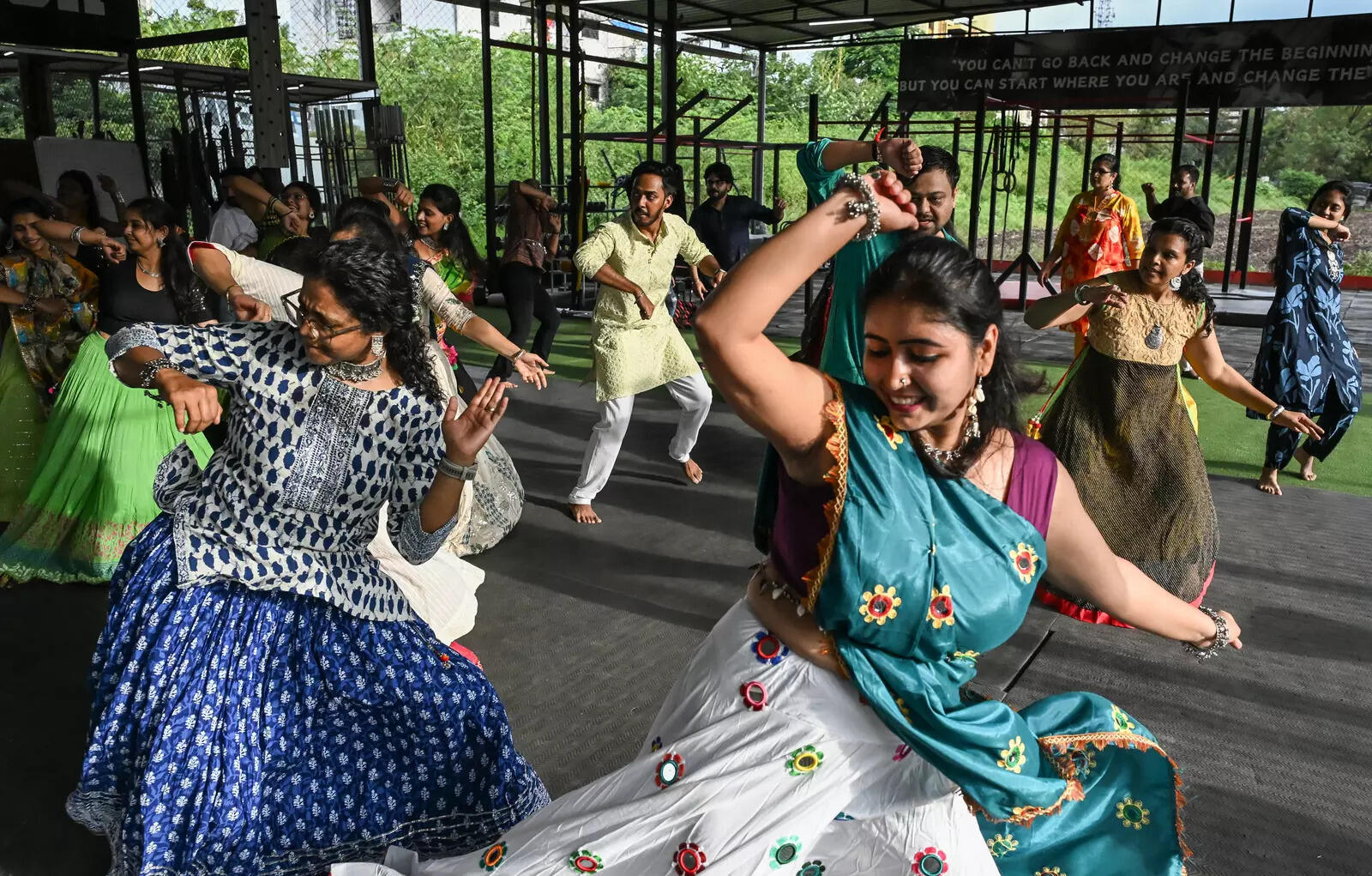
Navratri Vrat Without the Guesswork: Rules, Body Science and Workouts
Navratri fasting varies by family, region and community, so this blog lays out the vrat rules as commonly followed rather than as one fixed rulebook. It explains the main types of fast (full vrat, first-and-last-day, phalahar, one meal a day, nirjala) and who each suits physiologically. It covers what fasting does inside the body, both the benefits and the risks. It exposes vrat-food traps like sabudana and fried snacks, and busts myths about detox, sendha namak and weight loss. It then gives practical workout guidance for each fast type, plus warning signs for when to stop and see a doctor.

Desk Job Posture: How to Reduce Back Pain, Rounded Shoulders and Hip Stiffness
Long hours of sitting can contribute to stiffness, reduced activity and discomfort in the back, shoulders and hips—but there is no single perfect posture everyone must maintain. This evidence-based guide explains common desk-job posture concerns, including rounded shoulders, forward head posture and anterior pelvic tilt, while separating research-backed advice from common myths. Discover practical strength exercises, mobility routines, movement breaks and ergonomic adjustments to support better movement and back health. Learn how to build sustainable habits, what improvements to expect, and when professional medical evaluation is necessary.
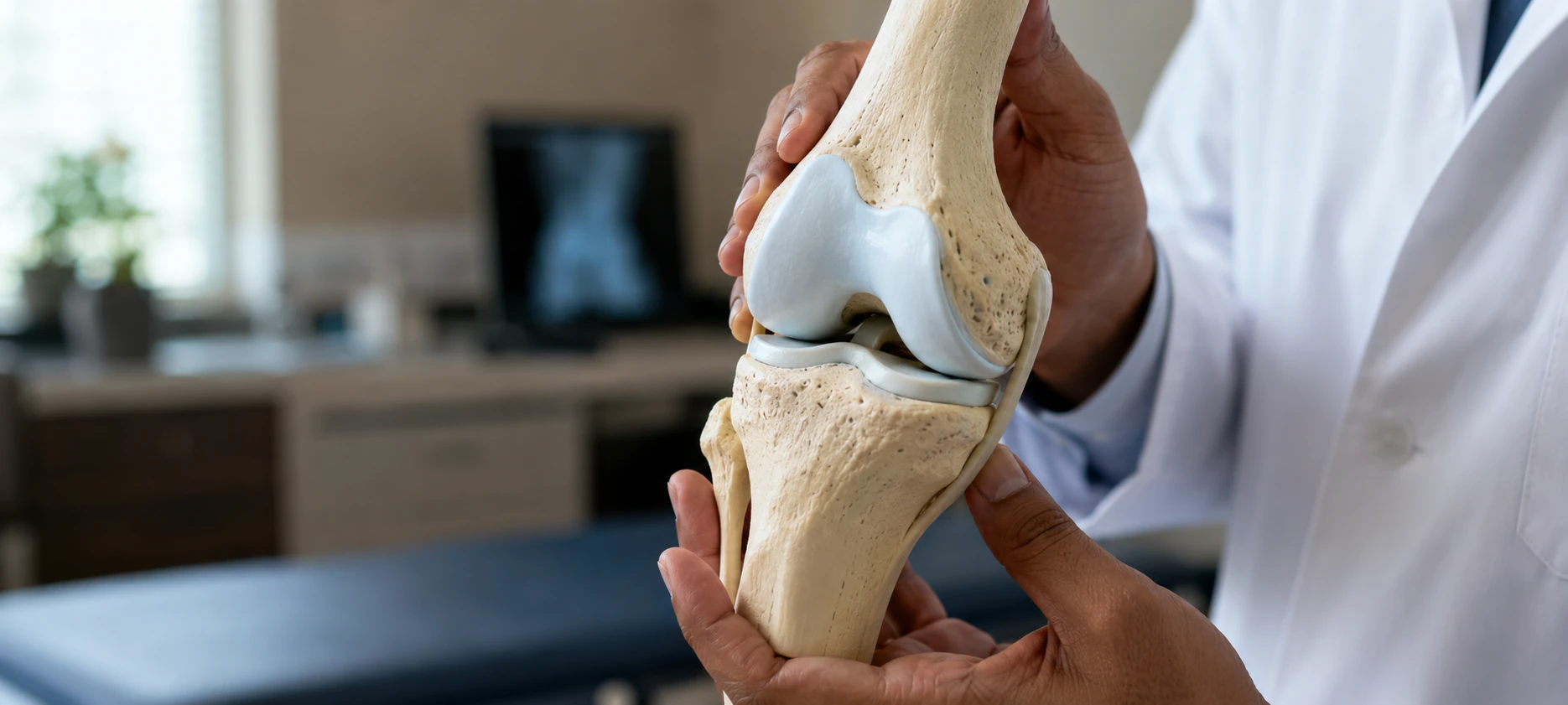
The Avascular Truth: Why Your Joints Take Months, Not Weeks, to Heal
Cartilage has almost no blood supply, so unlike muscle or skin it can't call in oxygen, nutrients, or repair cells fast — it relies on slow diffusion from joint fluid instead. This blog explains why that makes cartilage damage (like meniscus tears or worn knee cartilage) take months to partially heal, and sometimes never fully recover to its original quality. It covers what actually damages cartilage, the warning signs that mean "adjust training" rather than "push through," and busts common myths around joint cracking and glucosamine supplements. It closes with how Coach Himanshu builds training plans that protect joint longevity while still progressing strength and performance.
Ready to Start Your Fitness Journey?
Get personalized training and nutrition guidance from Coach Himanshu
Explore Plans