Navratri Vrat Without the Guesswork: Rules, Body Science and Workouts
Navratri Fasting Explained: The Rules, What Fasting Does to Your Body, and How to Train Through It
Faith decides whether you fast. Science helps you do it safely.
Every Navratri I hear the same questions: "Can I workout?", "Will I lose fat?", "Is sabudana healthy?", "What if I can't keep a strict fast?" This blog answers them respectfully. It doesn't tell you how to worship or rank one form of devotion above another. It lays out the vrat rules as they are commonly followed, then explains the body science so you can do whatever you choose, safely.
There is no single Navratri fast
Navratri is observed differently across India (Garba, Durga Puja, Golu and more), and the vrat varies by family, region and community. Some fast all nine days, some only on the first and last day, some only on Ashtami, some keep a lighter fruit-and-milk fast.
The food rules most commonly followed
| Commonly eaten | Commonly avoided | |
|---|---|---|
| Grains & flours | Kuttu, singhara, rajgira, samak rice, sabudana | Wheat, regular rice, maida, sooji, besan |
| Vegetables | Potato, sweet potato, pumpkin, lauki, cucumber, arbi | Onion, garlic (brinjal in many homes) |
| Dairy | Milk, curd, paneer, buttermilk, ghee | — |
| Fruit & snacks | Seasonal fruit, makhana, nuts, dry fruits | Most packaged snacks |
| Salt & spices | Sendha namak, cumin, black pepper, green chilli, ginger | Table salt; in many homes garam masala, hing |
| Other | Water, coconut water, buttermilk, lemon water | Pulses, non-veg, eggs, alcohol |
Nearly every guide agrees on no regular grains, no onion or garlic, and sendha namak instead of table salt. Traditionally, onion and garlic are classed as tamasic or rajasic, which is why they are left out of sattvic eating.
Where families differ: tea and coffee (some allow, some don't), haldi, mustard seeds and refined oil (some cook only in ghee or groundnut oil), corn and besan, and how many days to keep. Practices beyond food are personal and not covered here.
Types of Navratri fast, and who each suits
| Type | What it means | Physiologically suits |
|---|---|---|
| Full nine-day vrat | Vrat-friendly foods only, all nine days | Healthy adults who plan meals well |
| First & last day only | Fast on Pratipada and Ashtami/Navami; regular meals between | Working people, most beginners |
| Phalahar | Fruit, milk, curd, nuts, water; no cooked grain | Most common for full-time workers |
| Ekbhukt (one meal) | One sattvic meal, usually evening after puja; fruit/milk otherwise | Healthy adults; plan protein |
| Nirjala | No food or water; usually a single day by few devotees | Only healthy adults with fasting experience |
| Liquid-based | Milk, buttermilk, coconut water, juices (some households) | Short stretches only; low protein and fibre |
Practice guides note that fasting only on the first and last day is widely accepted, and that phalahar is as valid a vrat as nirjala. Several also advise that if you are pregnant, diabetic, elderly or on regular medication, you choose phalahar and speak to your physician before any strict fast. A plain physiological point: going without water is the riskiest form for the body.
What fasting does inside your body
Real fasting physiology plays out over hours and days. Most Navratri vrat is a modified fast (you eat, from a restricted list), so effects are milder but point the same way: after a few hours insulin falls, the liver releases stored glycogen, and after roughly 12–24 hours (varies with your last meal, activity and stores) the body leans more on fat. Glycogen is stored with water, so early scale drops are mostly water, not fat.
The good side
Modest weight loss if calories fall. A recent Cochrane review (22 trials) found intermittent fasting loses about the same as conventional dieting; a 2025 BMJ analysis found similar results to calorie restriction.A reset from junk: less alcohol, packaged food and late eating.
Possible metabolic gains from time-restricted eating, though inconsistent.
Mindful eating through a structured routine.
The bad side
Dehydration, electrolyte imbalance (nirjala, heat, hours of Garba).Low blood sugar: dizziness, shakiness, headaches, especially in diabetics on medication.
Acidity after long gaps then oily food. Constipation from low fibre.
Low protein that can cost muscle. Fatigue from short sleep.
The vrat-food reality check
| Vrat food | Reality | Smarter way |
|---|---|---|
| Sabudana | Dry: ~350 kcal, ~86 g carbs, under 1 g protein per 100 g; glycaemic index reported medium to high | Small portion, add peanuts, vegetables, curd; skip deep-fried vada |
| Kuttu/singhara puri, pakora | Deep-frying adds many calories | Rotis or cheela with little oil |
| Potato | Fine; chips and heavy frying aren't | Boiled, roasted, sabzi |
| Paneer, curd, milk | Your best vrat protein | Include at every meal |
| Sweets, packaged "vrat" snacks | Easy to overeat; often fried, salty | Small portions; read labels |
Working out while fasting
Most research comes from Ramadan, a harsher fast (no food or water dawn to sunset). A 2024 BJSM overview found that training through Ramadan was associated with mood disturbance, shorter sleep and lower high-intensity performance, while lean mass was preserved. Other reviews suggest athletes who keep energy, protein, training load and sleep stable see few big drops. Navratri vrat usually allows food and water, so it's generally easier.
| Your fast | Training advice |
|---|---|
| Full vrat / phalahar | Train as usual, trim volume or intensity; stop 2–3 reps short of failure |
| Ekbhukt | Train within a few hours of your meal so you can refuel; keep it moderate; sip water |
| First/last-day fasters | Normal on non-fast days; lighter session or walk on fast days |
| Nirjala days | Rest. Gentle walk at most |
| Ill, pregnant, elderly, on medication | Ask your doctor first |
- Don't chase PRs. Aim to maintain muscle and momentum.
- Protein first: milk, curd, paneer, buttermilk, nuts, makhana (peanuts where your family allows). See the protein gap blog.
- Hydrate: water, coconut water, buttermilk and lemon water are widely accepted.
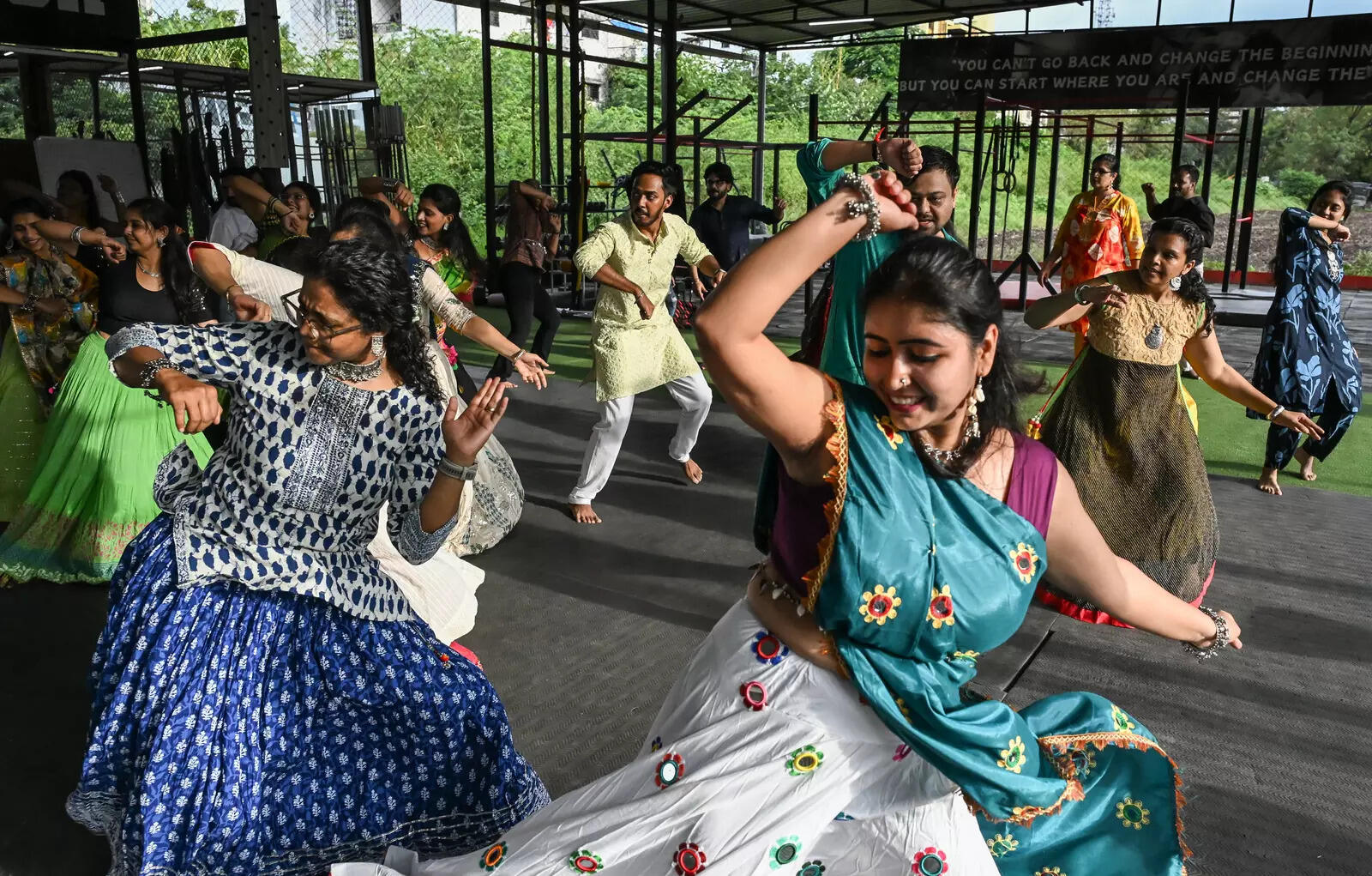
- Garba counts as cardio. Eat beforehand and keep fluids nearby.
- Protect sleep. See why sleep matters.
- Stop at once if you feel dizzy, faint, nauseous, confused, or have a racing heartbeat.
10 things everyone should know before fasting
- There is no single Navratri fast. Choose what your body and tradition allow.
- Fasting is not a diet. Don't set weight-loss targets for an observance.
- Vrat food isn't automatically light.
- Don't skip protein or water unless on a deliberate nirjala day, and then rest.
- Never stop or change medicine on your own. Ask your doctor about timing.
- Diabetes, BP, kidney or heart disease, gastric ulcers, pregnancy and breastfeeding need a doctor's go-ahead before strict fasts.
- Children, teens and the elderly shouldn't be pushed into strict fasts.
- Sleep, stress and heat change how well you tolerate fasting.
- Break the fast gently with a balanced meal.
- Can't keep the stricter fast? You haven't failed. Phalahar and first-and-last-day fasts are widely accepted.
Myth vs fact: Navratri fasting edition
When to stop and get help
- Dizziness, fainting or confusion
- A racing or irregular heartbeat
- Severe headache, persistent vomiting or severe stomach pain
- Very dark or very little urine
- If you have diabetes: shaking, sweating, sudden hunger, confusion or blurred vision can mean low blood sugar
Your health comes first. If you're unsure how your tradition views a lighter fast, speak to a family elder or priest; most traditions recognise more than one valid form of vrat.
How Coach Himanshu helps during festival season
- Nutrition planning around vrat foods and protein targets, using your calorie numbers.
- Training adjustments for fasting days via 1:1 online personal training.
- Evidence-based coaching so you know what works and what is festival hype.
Short on time? See coaching for working professionals.
Disclaimer: Educational and general. It describes commonly followed practices, which vary by family, region and community; it is not a religious authority or individualised medical advice. If you have a medical condition, take regular medication, or are pregnant, consult your doctor before fasting.
Sources referenced: Cochrane systematic review on intermittent fasting and weight loss (22 trials); Semnani-Azad et al., BMJ (2025); Trabelsi et al., BJSM (2024); Int J Sports Physiol Perform (2009) review on Ramadan fasting and training; published nutrient data on sabudana and rock salt; Navratri practice guides and panchang listings for 2026.
Fast smart this Navratri, and keep your progress
Nutrition and training built around your schedule, your tradition and your goals, not a generic plan.
See Coaching PlansJoin Fit Bharat MissionRelated Articles

Desk Job Posture: How to Reduce Back Pain, Rounded Shoulders and Hip Stiffness
Long hours of sitting can contribute to stiffness, reduced activity and discomfort in the back, shoulders and hips—but there is no single perfect posture everyone must maintain. This evidence-based guide explains common desk-job posture concerns, including rounded shoulders, forward head posture and anterior pelvic tilt, while separating research-backed advice from common myths. Discover practical strength exercises, mobility routines, movement breaks and ergonomic adjustments to support better movement and back health. Learn how to build sustainable habits, what improvements to expect, and when professional medical evaluation is necessary.
The Avascular Truth: Why Your Joints Take Months, Not Weeks, to Heal
Cartilage has almost no blood supply, so unlike muscle or skin it can't call in oxygen, nutrients, or repair cells fast — it relies on slow diffusion from joint fluid instead. This blog explains why that makes cartilage damage (like meniscus tears or worn knee cartilage) take months to partially heal, and sometimes never fully recover to its original quality. It covers what actually damages cartilage, the warning signs that mean "adjust training" rather than "push through," and busts common myths around joint cracking and glucosamine supplements. It closes with how Coach Himanshu builds training plans that protect joint longevity while still progressing strength and performance.

Fatty Liver Isn't Just an Alcohol Problem Anymore — Here's What It Actually Is
Fatty liver — alcoholic or non-alcoholic — is one of the most common findings on routine scans today, and one of the most misunderstood. This blog breaks down what it actually is, the difference between AFLD and NAFLD, why it happens, and the stage-by-stage question everyone actually wants answered: is it reversible? It covers exactly how diet and exercise reverse early-stage fatty liver, clears up common myths (thin people can't get it, detox teas cure it, symptoms are always obvious), and ends with how Coach Himanshu builds a fatty-liver-friendly diet and training plan around your real numbers.
Ready to Start Your Fitness Journey?
Get personalized training and nutrition guidance from Coach Himanshu
Explore Plans