Thyroid and Weight Loss: Complete Guide for Indian Women
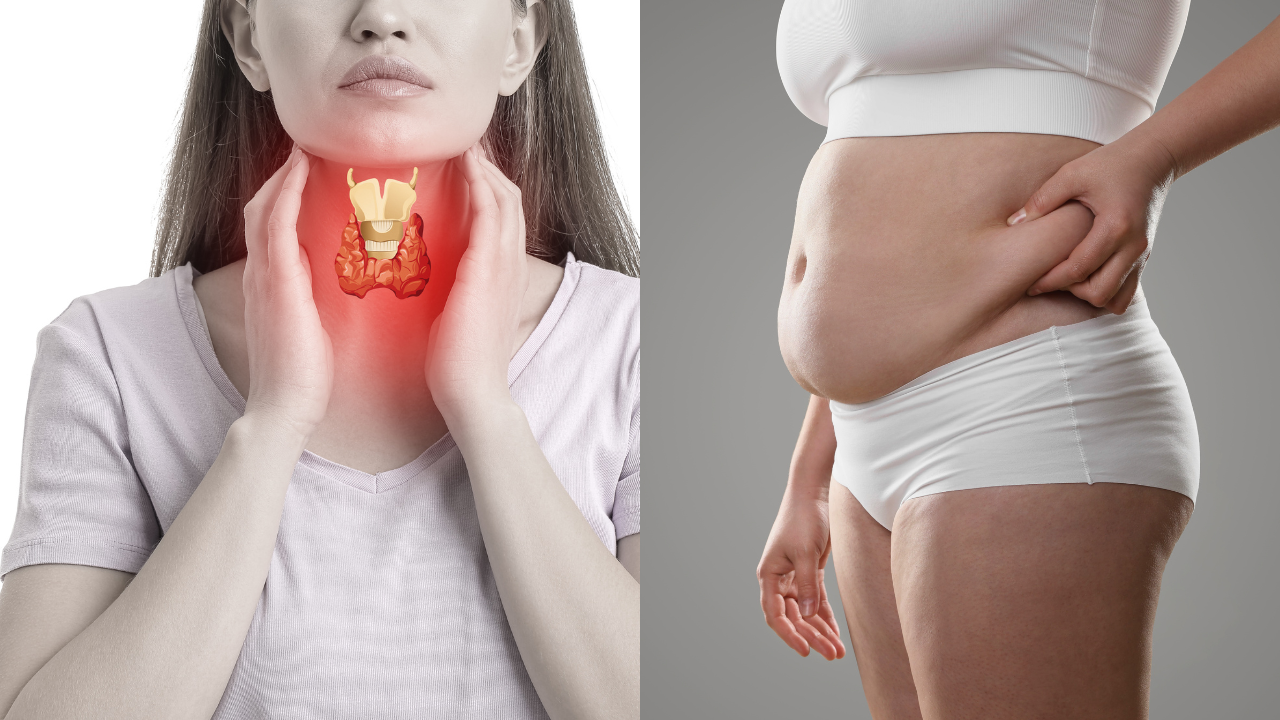
If you have been doing everything right -- eating less, exercising more -- and the scale still refuses to budge, your thyroid might be the silent saboteur. Hypothyroidism affects an estimated 1 in 10 Indian women, making it one of the most common hormonal disorders in the country. And its most frustrating symptom? Unexplained weight gain that seems impossible to reverse.
But here is the truth that most people miss: thyroid-related weight gain is manageable. It requires a different approach than standard weight loss advice, but with the right strategy, Indian women with hypothyroidism can absolutely lose weight, build energy, and feel like themselves again. This guide gives you the complete, science-backed roadmap.
How Thyroid Affects Your Weight: The Science
Your thyroid gland, that small butterfly-shaped organ at the base of your neck, produces hormones (T3 and T4) that regulate your basal metabolic rate -- the number of calories your body burns at rest. When your thyroid is underactive (hypothyroidism), this metabolic rate can drop by 15-40%, meaning your body burns significantly fewer calories doing the same activities.
The Thyroid Weight Gain Cascade
Step 1: Low T3/T4 production slows your metabolism by 200-500 calories per day
Step 2: Your body retains more water and salt, adding 2-4 kg of water weight
Step 3: Fatigue and low energy reduce your daily movement (NEAT drops significantly)
Step 4: Mood changes and brain fog trigger emotional eating and cravings for quick-energy foods like sweets and refined carbs
Step 5: The combination creates a calorie surplus even when you feel like you are eating less
Step 1: Get Your Thyroid Levels Optimised
Weight loss with hypothyroidism starts at your endocrinologist's office, not at the gym. If your TSH, T3, and T4 levels are not optimised, no amount of dieting or exercise will produce results.
Key Lab Values to Track
| Test | Optimal Range | What It Means |
|---|---|---|
| TSH | 0.5 - 2.5 mIU/L | Primary indicator; many labs say up to 5.5 is "normal" but optimal is lower |
| Free T4 | 1.0 - 1.5 ng/dL | Active hormone your cells use |
| Free T3 | 3.0 - 4.0 pg/mL | Most metabolically active thyroid hormone |
| TPO Antibodies | Below 35 IU/mL | High levels indicate Hashimoto's (autoimmune thyroiditis) |
| Vitamin D | 40-60 ng/mL | Low Vitamin D worsens thyroid function |
Step 2: The Hypothyroidism-Friendly Indian Diet Plan
Forget extreme dieting. Women with hypothyroidism need a nutrient-dense, moderate-calorie approach that supports thyroid function while creating a gentle calorie deficit.
Foods That Support Thyroid Function
Selenium-rich foods: Brazil nuts (2-3 per day), sunflower seeds, mushrooms, eggs -- selenium is essential for T4-to-T3 conversion
Zinc-rich foods: Pumpkin seeds, chickpeas (chana), cashews, paneer -- zinc supports thyroid hormone production
Iodine sources: Iodised salt (use regularly), fish, curd, milk -- iodine deficiency is still common in parts of India
Protein at every meal: Eggs, dal, paneer, chicken, fish -- protein boosts metabolism by 20-30% during digestion
Anti-inflammatory foods: Turmeric (haldi), ginger (adrak), green leafy vegetables, berries -- inflammation worsens Hashimoto's
Foods to Limit or Avoid
Sample Indian Diet Plan for Hypothyroidism (1500 kcal)
| Meal | What to Eat | Calories | Protein |
|---|---|---|---|
| Early Morning (6 AM) | Thyroid medication + warm water with lemon | 5 | 0g |
| Breakfast (7:30 AM) | 2 moong dal chilla + mint chutney + 1 boiled egg | 320 | 22g |
| Mid-Morning | Handful of walnuts (5-6) + 1 small fruit | 180 | 5g |
| Lunch | 1.5 roti + palak paneer + cucumber raita + salad | 420 | 20g |
| Evening Snack | Green tea + roasted chana (30g) | 120 | 7g |
| Dinner | Grilled fish/chicken (150g) OR dal tadka + 1 roti + sabzi | 380 | 28g |
| Before Bed | Warm turmeric milk (low-fat) | 75 | 4g |
Step 3: Exercise Strategy for Hypothyroidism
Exercise with hypothyroidism requires a smarter, not harder, approach. Your body recovers slower and handles stress differently, so high-intensity daily workouts can actually backfire.
The Ideal Weekly Exercise Plan
Monday/Thursday: Strength training (full body, 40-45 minutes) -- builds muscle, boosts resting metabolism
Tuesday/Friday: Brisk walking or yoga (30-40 minutes) -- low-stress cardio that does not spike cortisol
Wednesday: Active rest -- gentle stretching or a short walk
Saturday: Moderate cardio -- swimming, cycling, or a dance class
Sunday: Complete rest -- essential for thyroid recovery
Step 4: Lifestyle Factors That Make or Break Progress
Sleep: The Thyroid Recovery Tool
Poor sleep worsens thyroid function and increases cortisol, which promotes belly fat storage. Aim for 7-8 hours of uninterrupted sleep. Keep your bedroom cool, dark, and screen-free for 30 minutes before bed.
Stress Management
Chronic stress elevates cortisol, which directly suppresses thyroid function. Indian women often carry enormous stress -- managing households, careers, and extended family expectations simultaneously. Prioritise at least 15 minutes of daily stress relief: pranayama (deep breathing), meditation, or simply sitting quietly with a cup of herbal tea.
Gut Health
About 20% of T4-to-T3 conversion happens in your gut. Support your gut with fermented foods common in Indian cuisine: homemade curd (dahi), buttermilk (chaas), idli/dosa batter (naturally fermented), and pickles (achaar) in moderation.
Common Mistakes Indian Women Make with Thyroid Weight Loss
- Crash dieting: Going below 1000 calories further suppresses your already slow thyroid. This is the number one mistake.
- Over-exercising: Two-hour gym sessions 6 days a week spike cortisol and worsen thyroid symptoms. More is not better.
- Ignoring strength training: Cardio-only approaches burn calories during the session but do not fix the underlying metabolic slowdown.
- Comparing progress to others: Your timeline will be slower. Accept this. Consistent 0.25-0.5 kg loss per week is excellent progress with hypothyroidism.
- Skipping medication: Some women stop medication when they "feel fine." Thyroid medication must be taken consistently for life in most cases.
Expected Timeline: Setting Realistic Goals
| Timeframe | What to Expect |
|---|---|
| Week 1-2 | Water weight reduction of 1-2 kg as inflammation decreases |
| Month 1-2 | 1-2 kg fat loss if diet and medication are optimised |
| Month 3-6 | Steady 0.5 kg/week loss, improved energy, better sleep |
| Month 6-12 | Significant body composition changes, strength gains, stable mood |
Your thyroid condition is a chapter in your story, not the whole book. With the right approach, it becomes a manageable detail rather than a defining limitation.
Get Expert Support for Thyroid-Friendly Fitness
Coach Himanshu has worked with dozens of women managing hypothyroidism, creating customised nutrition and training plans that account for hormonal challenges. His approach combines medical awareness with practical Indian diet planning to deliver results without burnout.
Ready to take control? Take the free fitness assessment and get a plan tailored to your thyroid condition, or explore the coaching plans to find the right level of support. You can also browse more health and fitness topics on our fitness blog.
Related Articles

Navratri Vrat Without the Guesswork: Rules, Body Science and Workouts
Navratri fasting varies by family, region and community, so this blog lays out the vrat rules as commonly followed rather than as one fixed rulebook. It explains the main types of fast (full vrat, first-and-last-day, phalahar, one meal a day, nirjala) and who each suits physiologically. It covers what fasting does inside the body, both the benefits and the risks. It exposes vrat-food traps like sabudana and fried snacks, and busts myths about detox, sendha namak and weight loss. It then gives practical workout guidance for each fast type, plus warning signs for when to stop and see a doctor.

Desk Job Posture: How to Reduce Back Pain, Rounded Shoulders and Hip Stiffness
Long hours of sitting can contribute to stiffness, reduced activity and discomfort in the back, shoulders and hips—but there is no single perfect posture everyone must maintain. This evidence-based guide explains common desk-job posture concerns, including rounded shoulders, forward head posture and anterior pelvic tilt, while separating research-backed advice from common myths. Discover practical strength exercises, mobility routines, movement breaks and ergonomic adjustments to support better movement and back health. Learn how to build sustainable habits, what improvements to expect, and when professional medical evaluation is necessary.
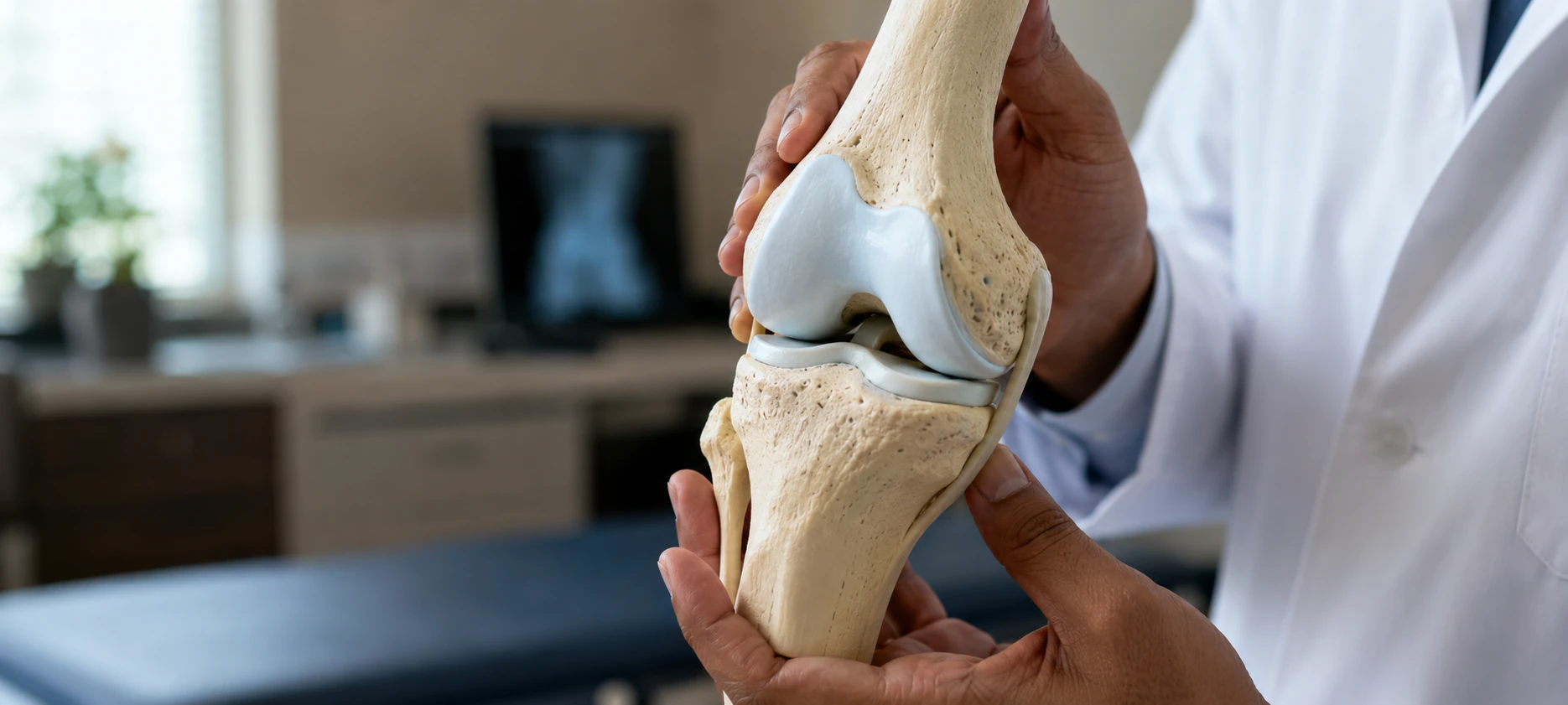
The Avascular Truth: Why Your Joints Take Months, Not Weeks, to Heal
Cartilage has almost no blood supply, so unlike muscle or skin it can't call in oxygen, nutrients, or repair cells fast — it relies on slow diffusion from joint fluid instead. This blog explains why that makes cartilage damage (like meniscus tears or worn knee cartilage) take months to partially heal, and sometimes never fully recover to its original quality. It covers what actually damages cartilage, the warning signs that mean "adjust training" rather than "push through," and busts common myths around joint cracking and glucosamine supplements. It closes with how Coach Himanshu builds training plans that protect joint longevity while still progressing strength and performance.
Ready to Start Your Fitness Journey?
Get personalized training and nutrition guidance from Coach Himanshu
Explore Plans