Sleep — The Most Powerful Natural Fat Burner Most People Ignore

Sleep — The Most Underrated Natural Fat Burner
Most people think fat loss depends only on diet and workouts. Calories matter and training is essential — but one powerful fat-loss tool is often ignored: sleep. Poor sleep disrupts hormones, slows metabolism, increases cravings, reduces recovery, and makes fat loss significantly harder even when training and diet are correct.
Why Sleep Plays a Major Role in Fat Loss
During sleep, the body enters deep recovery mode. Hormonal balance improves, tissues repair, nervous system resets, and metabolic efficiency increases. Quality sleep supports proper fat oxidation, improves energy levels, enhances training output, and stabilizes appetite regulation.
- Improves fat-burning hormone function
- Enhances muscle recovery and growth
- Controls hunger and cravings
- Supports metabolic health
- Improves training performance
Hormones Controlled by Sleep That Influence Fat Loss
Growth Hormone (GH)
Deep sleep triggers high release of growth hormone which supports muscle repair, fat metabolism, and tissue recovery. Poor sleep reduces GH secretion leading to slower fat loss and poor recovery.
Cortisol (Stress Hormone)
Sleep deprivation elevates cortisol levels. Chronic high cortisol increases belly fat storage, breaks down muscle tissue, and increases sugar cravings. Proper sleep helps regulate cortisol and improves recovery capacity.
Leptin and Ghrelin (Hunger Hormones)
Leptin signals fullness while ghrelin signals hunger. Poor sleep decreases leptin and increases ghrelin which results in increased appetite and uncontrolled calorie intake.
Insulin Sensitivity
Good sleep improves insulin sensitivity allowing efficient carbohydrate utilization. Lack of sleep increases insulin resistance which promotes fat storage and metabolic issues.
Sleep and Muscle Preservation During Fat Loss
Maintaining muscle mass is essential during fat loss. Muscle supports metabolism and overall performance. Sleep improves protein synthesis, testosterone balance, and recovery while reducing muscle breakdown and fatigue.
Scientific Evidence Linking Sleep and Fat Loss
Research shows individuals sleeping less than six hours lose more muscle and less fat during dieting phases. Sleep deprivation increases daily calorie intake, reduces performance, and negatively impacts body composition. Adequate sleep improves athletic performance, metabolic efficiency, and recovery.
Signs Your Sleep Is Affecting Fat Loss
- Constant fatigue and low energy
- Slow workout recovery
- Increased hunger and cravings
- Stubborn belly fat
- Reduced strength and performance
- Mood swings and low motivation
Optimal Sleep Duration for Fat Loss
Most adults require 7.5 to 9 hours of quality sleep daily. Athletes and individuals performing intense resistance training benefit from 8 to 9 hours of consistent deep sleep for optimal recovery and performance.
Practical Tips to Improve Sleep Quality
- Maintain consistent sleep schedule
- Limit screen exposure before bedtime
- Avoid heavy meals immediately before sleep
- Reduce caffeine intake in evening hours
- Keep bedroom dark and cool
- Ensure 25–30 minutes of daily sunlight exposure
- Follow structured resistance training
- Practice relaxation and stress management
Sleep vs Diet vs Training
Training stimulates adaptation, nutrition provides fuel, and sleep enables recovery and hormonal regulation. Without proper sleep, fat loss slows, muscle recovery declines, and performance suffers regardless of diet or exercise quality.
Final Message from Coach Himanshu
Sleep is recovery, hormonal balance, metabolic regulation, and one of the most powerful natural fat-burning tools. Train scientifically, eat intelligently, and prioritize consistent high-quality sleep for sustainable fat loss and long-term health.
Related Articles

Navratri Vrat Without the Guesswork: Rules, Body Science and Workouts
Navratri fasting varies by family, region and community, so this blog lays out the vrat rules as commonly followed rather than as one fixed rulebook. It explains the main types of fast (full vrat, first-and-last-day, phalahar, one meal a day, nirjala) and who each suits physiologically. It covers what fasting does inside the body, both the benefits and the risks. It exposes vrat-food traps like sabudana and fried snacks, and busts myths about detox, sendha namak and weight loss. It then gives practical workout guidance for each fast type, plus warning signs for when to stop and see a doctor.

Desk Job Posture: How to Reduce Back Pain, Rounded Shoulders and Hip Stiffness
Long hours of sitting can contribute to stiffness, reduced activity and discomfort in the back, shoulders and hips—but there is no single perfect posture everyone must maintain. This evidence-based guide explains common desk-job posture concerns, including rounded shoulders, forward head posture and anterior pelvic tilt, while separating research-backed advice from common myths. Discover practical strength exercises, mobility routines, movement breaks and ergonomic adjustments to support better movement and back health. Learn how to build sustainable habits, what improvements to expect, and when professional medical evaluation is necessary.
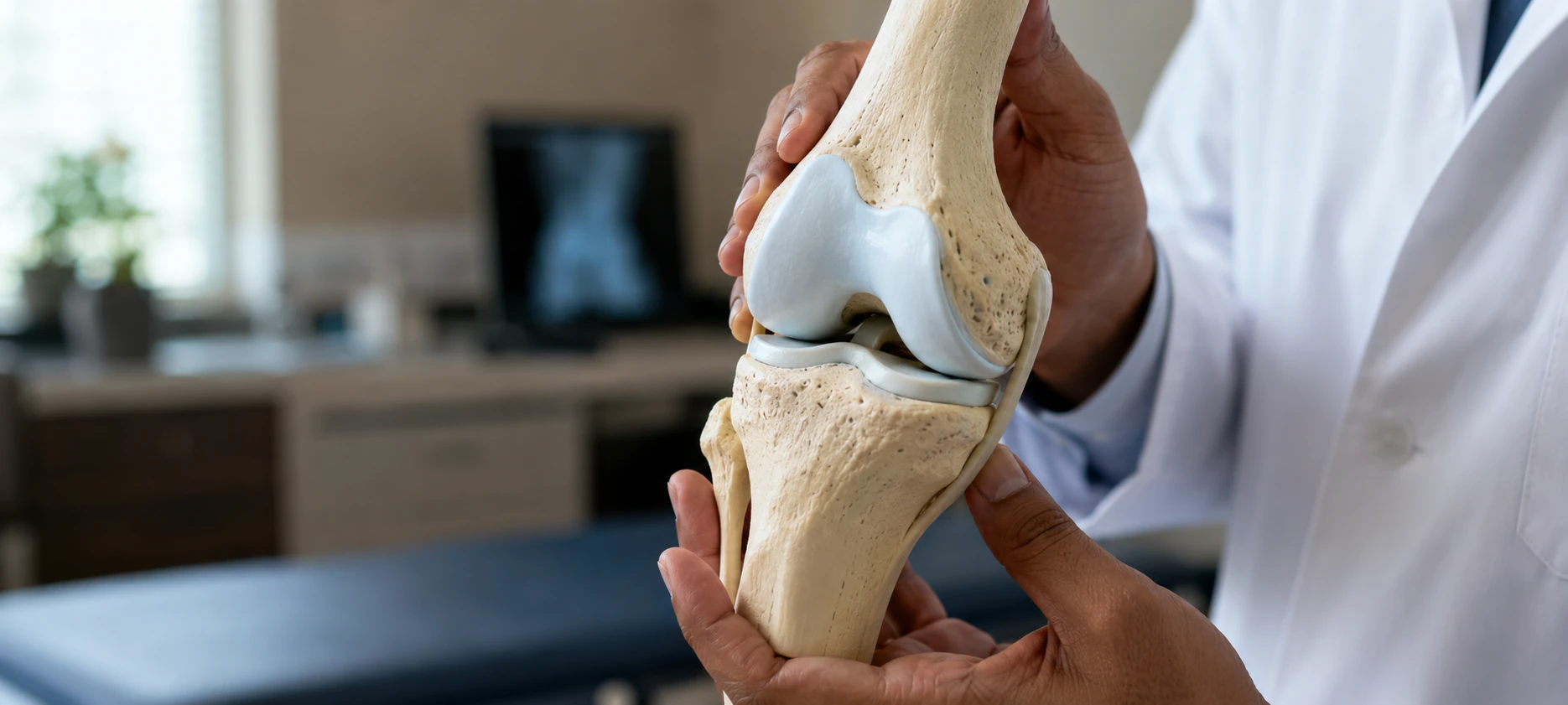
The Avascular Truth: Why Your Joints Take Months, Not Weeks, to Heal
Cartilage has almost no blood supply, so unlike muscle or skin it can't call in oxygen, nutrients, or repair cells fast — it relies on slow diffusion from joint fluid instead. This blog explains why that makes cartilage damage (like meniscus tears or worn knee cartilage) take months to partially heal, and sometimes never fully recover to its original quality. It covers what actually damages cartilage, the warning signs that mean "adjust training" rather than "push through," and busts common myths around joint cracking and glucosamine supplements. It closes with how Coach Himanshu builds training plans that protect joint longevity while still progressing strength and performance.
Ready to Start Your Fitness Journey?
Get personalized training and nutrition guidance from Coach Himanshu
Explore Plans