How to Lose Weight Without Going to the Gym

You do not need a gym to lose weight. This is not a motivational platitude -- it is a physiological fact. Weight loss happens when you consistently consume fewer calories than your body burns. Where and how you exercise is secondary to this fundamental equation.
Millions of people across India have transformed their bodies without ever stepping foot in a gym. Here is exactly how to do it -- backed by science and practical for Indian lifestyles.
Understanding Weight Loss: The Calorie Equation
Your body burns calories through three main mechanisms:
Step 1: Fix Your Diet (80% of the Battle)
Calculate Your Calorie Target
A safe, sustainable deficit is 400-500 calories below your maintenance level. For most Indian adults, this means eating around 1,400-1,800 calories per day depending on your size and activity level.
Indian Diet Modifications That Work
- Reduce oil in cooking: Use 1 teaspoon per dish instead of pouring freely. This single change can save 200-400 calories per day
- Control rice and roti portions: Reduce from 3-4 rotis to 2, or from a full plate of rice to half. Do not eliminate carbs -- just right-size them
- Add protein to every meal: Dal, paneer, curd, eggs, chicken. Protein keeps you full longer and preserves muscle during weight loss
- Replace fried snacks: Swap samosas and pakoras with roasted makhana, sprouts chaat, or fruit
- Cut liquid calories: Chai with sugar (3-4 cups daily) can add 200+ calories. Use less sugar or switch to green tea
Sample 1,500-Calorie Indian Meal Plan
- Breakfast (350 cal): 2 boiled eggs + 1 toast + green tea
- Mid-morning (100 cal): 1 apple or a small bowl of curd
- Lunch (450 cal): 1.5 rotis + dal + sabzi + small bowl of rice + raita
- Snack (150 cal): Roasted chana + buttermilk
- Dinner (400 cal): Grilled paneer/chicken + 1 roti + soup or salad
- Post-dinner (50 cal): Warm turmeric milk (haldi doodh)
Step 2: Increase Daily Movement (NEAT)
- Walk 8,000-10,000 steps daily: This alone can burn 300-500 extra calories. Walk after meals, take stairs, walk while on phone calls
- Stand more: If you have a desk job, stand for 10 minutes every hour
- Do household chores actively: Mopping, sweeping, and cooking burn more calories than you think
- Take walking meetings: In the IT and corporate sector, walking meetings are gaining popularity
Step 3: Home Workouts (No Equipment Needed)
Beginner Home Workout for Fat Loss
Do this circuit 3-4 times per week:
- Jumping Jacks -- 30 seconds
- Bodyweight Squats -- 15 reps
- Push-Ups (knee push-ups if needed) -- 10 reps
- Mountain Climbers -- 20 reps
- Lunges -- 10 per leg
- Plank Hold -- 20-30 seconds
- Burpees -- 5-8 reps
- High Knees -- 30 seconds
Rest 60 seconds between rounds. Complete 3-4 rounds. Total time: 20-25 minutes.
Yoga for Weight Loss
Step 4: Lifestyle Changes That Accelerate Results
- Sleep 7-8 hours: Poor sleep increases ghrelin (hunger hormone) and decreases leptin (fullness hormone). You literally feel hungrier when sleep-deprived
- Manage stress: Cortisol from chronic stress promotes belly fat storage. Meditation, deep breathing, or even a 15-minute evening walk can help
- Drink adequate water: 2.5-3.5 litres per day. Often, thirst is mistaken for hunger. Drink a glass of water before meals to naturally reduce portion sizes
- Eat mindfully: Avoid eating in front of screens. Sit at the dining table, eat slowly, and stop when 80% full
Realistic Weight Loss Timeline
When to Get Professional Help
If you have been trying to lose weight on your own for months without results, a personalised approach can make all the difference. Coach Himanshu specialises in home workout plans starting at just Rs 799/month -- designed specifically for people who do not have gym access.
You do not need a gym membership to transform your body. You need a plan that fits your life.
Take the free fitness assessment to get a customised plan that fits your lifestyle, food preferences, and weight loss goals.
Related Articles

Navratri Vrat Without the Guesswork: Rules, Body Science and Workouts
Navratri fasting varies by family, region and community, so this blog lays out the vrat rules as commonly followed rather than as one fixed rulebook. It explains the main types of fast (full vrat, first-and-last-day, phalahar, one meal a day, nirjala) and who each suits physiologically. It covers what fasting does inside the body, both the benefits and the risks. It exposes vrat-food traps like sabudana and fried snacks, and busts myths about detox, sendha namak and weight loss. It then gives practical workout guidance for each fast type, plus warning signs for when to stop and see a doctor.

Desk Job Posture: How to Reduce Back Pain, Rounded Shoulders and Hip Stiffness
Long hours of sitting can contribute to stiffness, reduced activity and discomfort in the back, shoulders and hips—but there is no single perfect posture everyone must maintain. This evidence-based guide explains common desk-job posture concerns, including rounded shoulders, forward head posture and anterior pelvic tilt, while separating research-backed advice from common myths. Discover practical strength exercises, mobility routines, movement breaks and ergonomic adjustments to support better movement and back health. Learn how to build sustainable habits, what improvements to expect, and when professional medical evaluation is necessary.
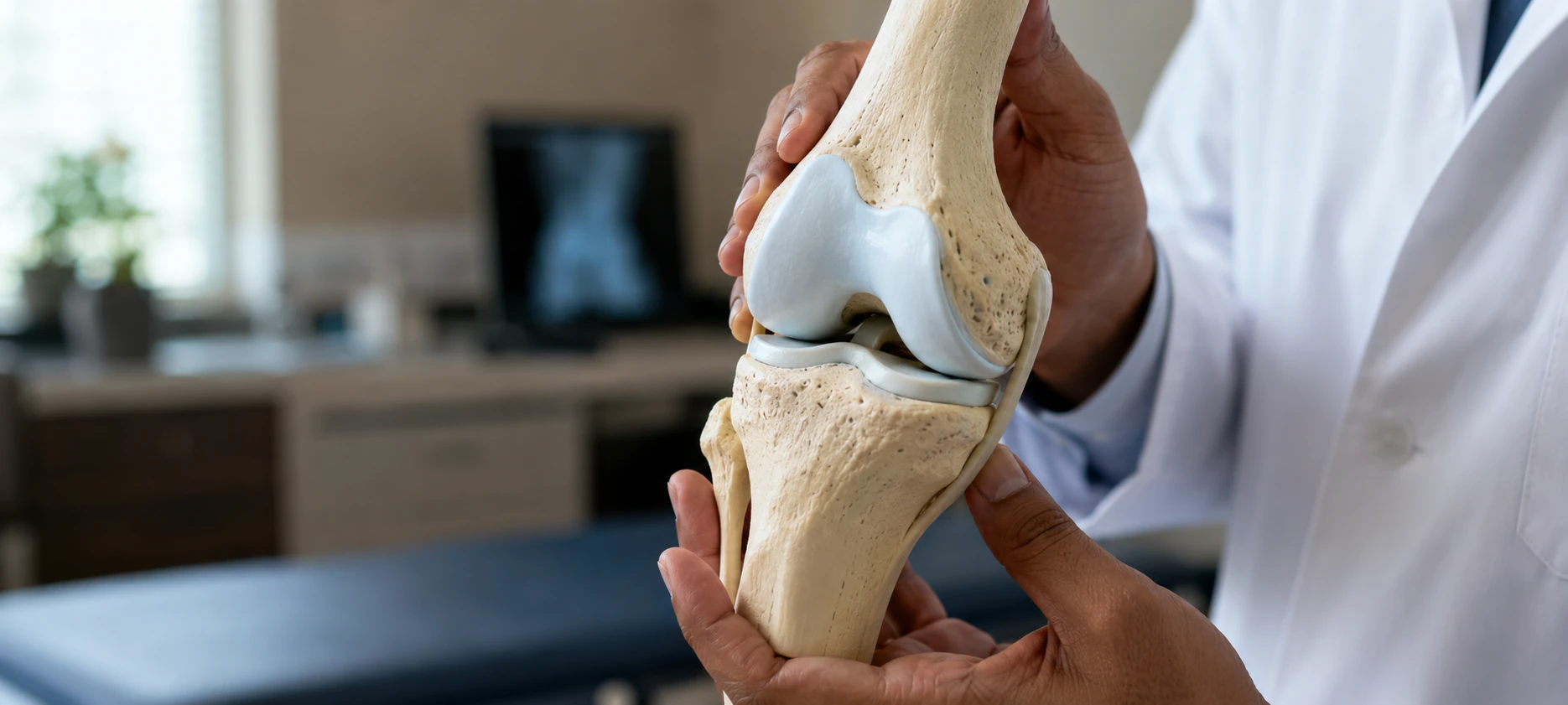
The Avascular Truth: Why Your Joints Take Months, Not Weeks, to Heal
Cartilage has almost no blood supply, so unlike muscle or skin it can't call in oxygen, nutrients, or repair cells fast — it relies on slow diffusion from joint fluid instead. This blog explains why that makes cartilage damage (like meniscus tears or worn knee cartilage) take months to partially heal, and sometimes never fully recover to its original quality. It covers what actually damages cartilage, the warning signs that mean "adjust training" rather than "push through," and busts common myths around joint cracking and glucosamine supplements. It closes with how Coach Himanshu builds training plans that protect joint longevity while still progressing strength and performance.
Ready to Start Your Fitness Journey?
Get personalized training and nutrition guidance from Coach Himanshu
Explore Plans