How to Fix Belly Fat: Science-Based Guide for Indians
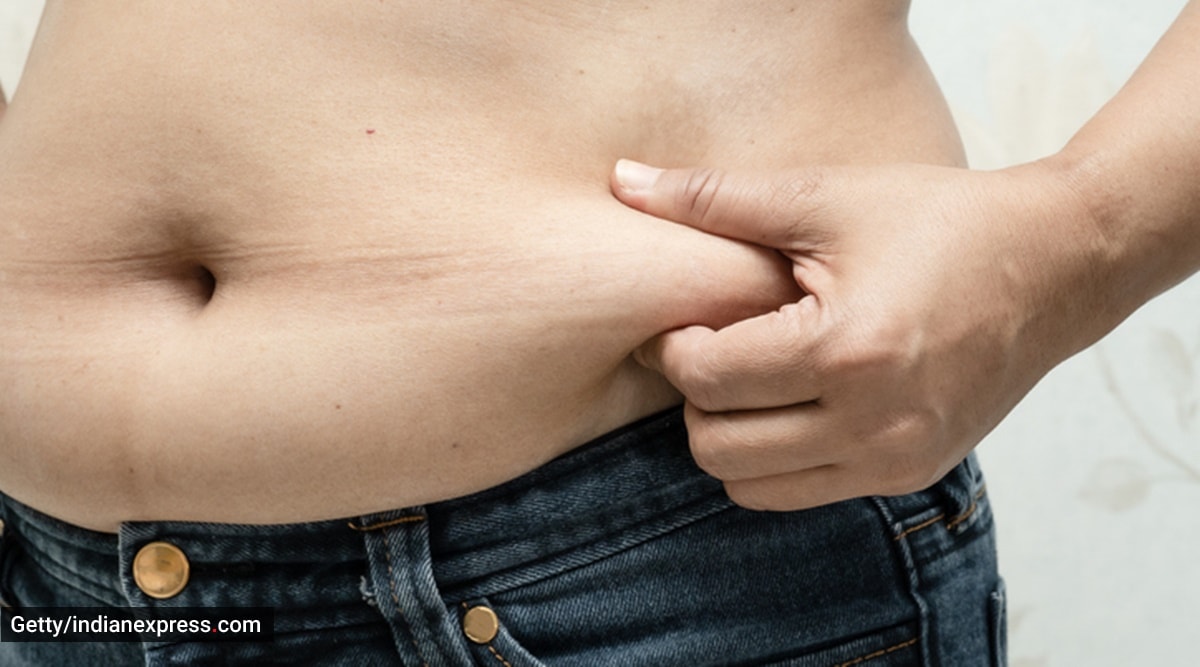
Let us address the elephant in the room -- or rather, the belly in the mirror. Belly fat is India's most complained-about fitness problem, and for good reason. Indians are genetically predisposed to store more visceral fat (fat around internal organs) compared to other populations. This is not vanity -- it is a genuine health crisis. Visceral fat is directly linked to Type 2 diabetes, heart disease, fatty liver, and metabolic syndrome, all of which are epidemic in India.
But here is what the Instagram fitness influencers will not tell you: you cannot spot-reduce belly fat. No amount of crunches, ab belts, or "flat tummy teas" will specifically target your stomach. What works is a comprehensive approach that reduces overall body fat while addressing the unique metabolic challenges Indians face.
Why Indians Store More Belly Fat
This is not a stereotype -- it is genetics and lifestyle combined:
Genetic predisposition: South Asians have a higher tendency to store visceral fat even at lower body weights (the "thin-fat Indian" phenotype described in medical literature)
High-carb diets: Rice, roti, and sweets dominate Indian meals, creating chronic insulin spikes that promote fat storage around the abdomen
Low protein intake: Insufficient protein accelerates muscle loss, lowering metabolic rate and promoting fat accumulation
Sedentary lifestyles: India's IT boom has created a generation of professionals sitting 10-12 hours daily
Stress and cortisol: High work pressure, traffic, and family obligations keep cortisol elevated, which specifically drives belly fat storage
The Truth About Belly Fat Loss (What Actually Works)
1. Calorie Deficit: The Non-Negotiable Foundation
You must eat fewer calories than you burn. A deficit of 400-500 calories per day will produce roughly 0.5 kg of fat loss per week. Some of that fat will come from your belly, but you cannot control where fat comes off first -- that is genetically determined.
2. Prioritise Protein
Increasing protein to 1.6-2g per kg body weight is the single most effective dietary change for belly fat loss because:
- Protein has the highest thermic effect (burns 20-30% of its calories during digestion)
- Protein preserves muscle during fat loss, keeping your metabolism high
- Protein is the most satiating macronutrient -- you feel fuller on fewer calories
3. Reduce Refined Carbs and Sugar
| Swap This | For This | Calorie Saving |
|---|---|---|
| White rice (2 cups) | Brown rice (1 cup) + extra sabzi | ~200 kcal |
| 3 rotis with ghee | 2 rotis without ghee + extra dal | ~200 kcal |
| Chai with sugar (4 cups/day) | Green tea or chai with stevia | ~200 kcal |
| Fruit juice | Whole fruit + water | ~150 kcal |
| Fried snacks (samosa, pakora) | Roasted chana, makhana, sprouts | ~250 kcal |
| Dessert after dinner | Sugar-free yoghurt with berries | ~200 kcal |
The Exercise Strategy for Belly Fat
Strength Training: Your Secret Weapon
Strength training is MORE effective than cardio for long-term belly fat reduction because it builds muscle, which raises your resting metabolic rate. A body with more muscle burns more calories 24/7, including while you sleep.
Optimal approach: 3-4 strength training sessions per week focusing on compound movements (squats, deadlifts, bench press, rows). These exercises engage multiple large muscle groups simultaneously, creating the greatest metabolic demand.
Cardio: Smart, Not Excessive
Add 2-3 cardio sessions per week, but keep them varied:
- Brisk walking: 30-45 minutes (burns fat, does not spike cortisol)
- HIIT (once per week): 20 minutes of intervals (e.g., 30 seconds sprint, 60 seconds walk) -- highly effective for visceral fat
- Incline walking: Walking on an incline (treadmill at 10-15% grade) burns significantly more calories than flat walking
Lifestyle Factors That Drive Belly Fat
Sleep
Sleeping less than 6 hours per night increases belly fat storage by 32% according to a study published in the journal Sleep. Aim for 7-8 hours. If you are sleeping late due to phone scrolling, set a hard "screens off" time 30 minutes before bed.
Stress Management
Cortisol (the stress hormone) specifically promotes visceral fat storage. Indian professionals dealing with long commutes, high-pressure jobs, and family obligations need active stress management: daily 10-minute meditation, deep breathing during traffic, and firm boundaries around work hours.
Alcohol
The "beer belly" is not a myth. Alcohol provides 7 calories per gram (almost as much as fat), reduces inhibitions leading to overeating, and impairs fat metabolism for up to 24 hours after consumption. Reducing or eliminating alcohol is one of the fastest ways to see belly fat reduction.
Realistic Timeline for Belly Fat Loss
| Starting Point | Visible Changes | Significant Reduction |
|---|---|---|
| Waist 95-100 cm (men) | 4-6 weeks | 3-4 months |
| Waist 100-110 cm (men) | 6-8 weeks | 5-7 months |
| Waist 85-90 cm (women) | 4-6 weeks | 3-4 months |
| Waist 90-100 cm (women) | 6-8 weeks | 5-7 months |
Your belly did not appear overnight, and it will not disappear overnight. But every week of consistent effort chips away at it, and one day you will look in the mirror and see the difference you have been working towards.
Get a Personalised Belly Fat Loss Plan
Coach Himanshu has helped hundreds of Indians reduce dangerous belly fat through customised nutrition and training plans. His approach addresses the specific metabolic challenges Indians face -- high visceral fat tendency, carb-heavy diets, and sedentary lifestyles.
Take the free fitness assessment to get started, or explore the coaching plans for structured, ongoing support. Visit our fitness blog for more evidence-based fitness content.
Related Articles

Navratri Vrat Without the Guesswork: Rules, Body Science and Workouts
Navratri fasting varies by family, region and community, so this blog lays out the vrat rules as commonly followed rather than as one fixed rulebook. It explains the main types of fast (full vrat, first-and-last-day, phalahar, one meal a day, nirjala) and who each suits physiologically. It covers what fasting does inside the body, both the benefits and the risks. It exposes vrat-food traps like sabudana and fried snacks, and busts myths about detox, sendha namak and weight loss. It then gives practical workout guidance for each fast type, plus warning signs for when to stop and see a doctor.

Desk Job Posture: How to Reduce Back Pain, Rounded Shoulders and Hip Stiffness
Long hours of sitting can contribute to stiffness, reduced activity and discomfort in the back, shoulders and hips—but there is no single perfect posture everyone must maintain. This evidence-based guide explains common desk-job posture concerns, including rounded shoulders, forward head posture and anterior pelvic tilt, while separating research-backed advice from common myths. Discover practical strength exercises, mobility routines, movement breaks and ergonomic adjustments to support better movement and back health. Learn how to build sustainable habits, what improvements to expect, and when professional medical evaluation is necessary.
The Avascular Truth: Why Your Joints Take Months, Not Weeks, to Heal
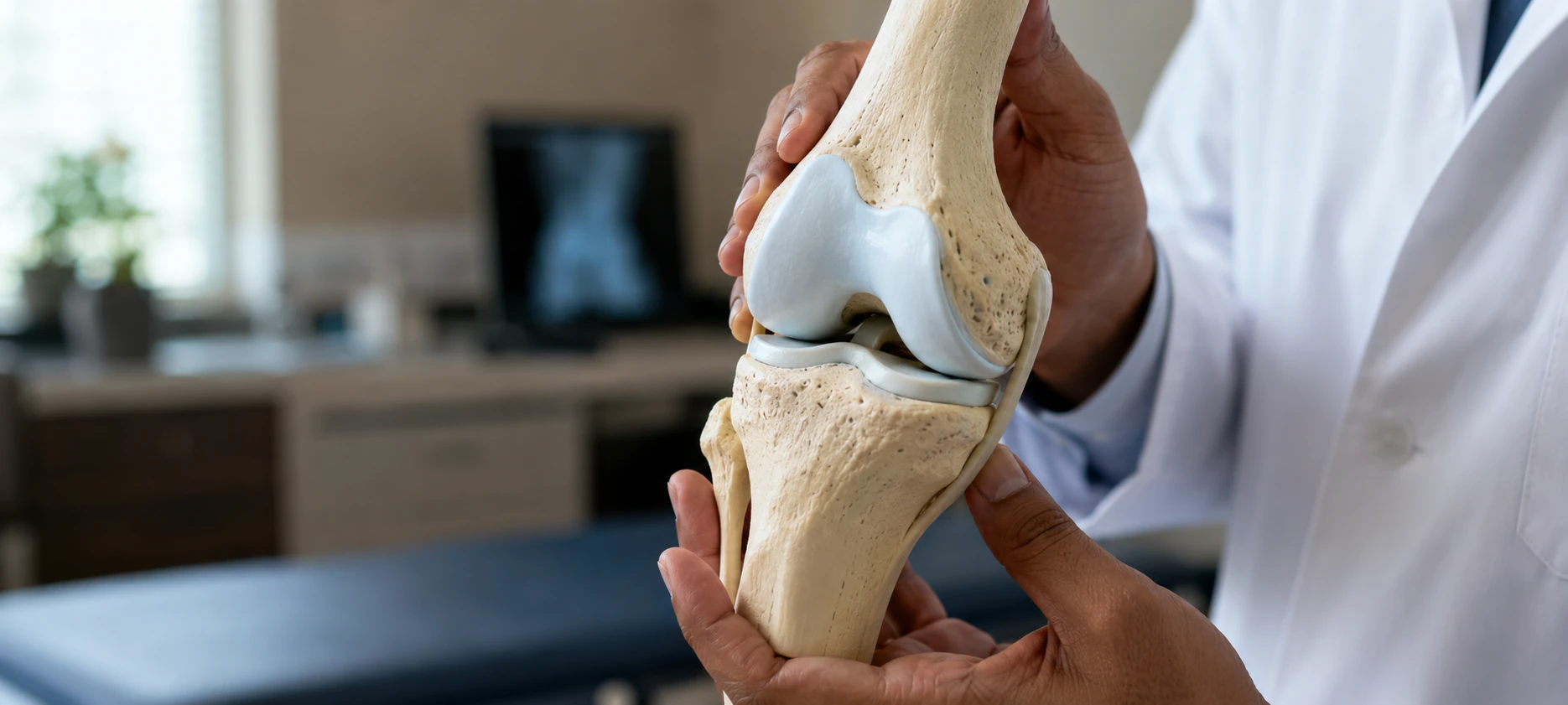
Cartilage has almost no blood supply, so unlike muscle or skin it can't call in oxygen, nutrients, or repair cells fast — it relies on slow diffusion from joint fluid instead. This blog explains why that makes cartilage damage (like meniscus tears or worn knee cartilage) take months to partially heal, and sometimes never fully recover to its original quality. It covers what actually damages cartilage, the warning signs that mean "adjust training" rather than "push through," and busts common myths around joint cracking and glucosamine supplements. It closes with how Coach Himanshu builds training plans that protect joint longevity while still progressing strength and performance.
Ready to Start Your Fitness Journey?
Get personalized training and nutrition guidance from Coach Himanshu
Explore Plans