How Much Sleep Do You Need for Weight Loss & Muscle?
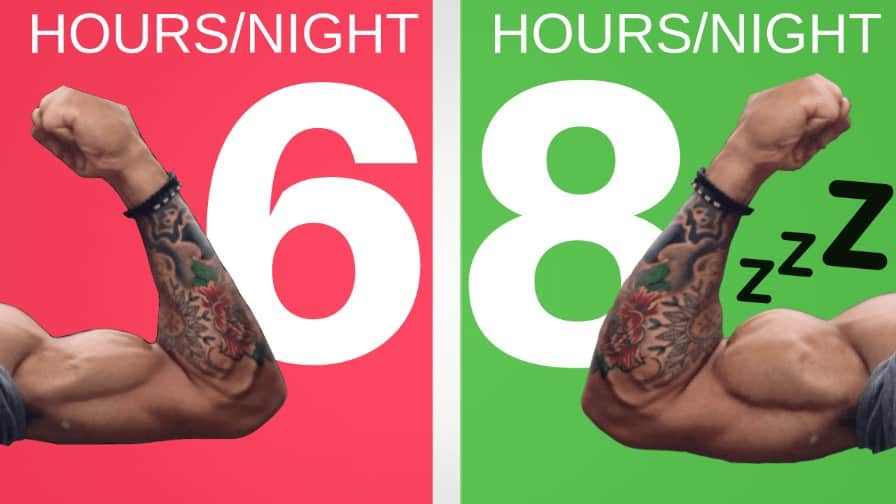
Most adults need 7 to 9 hours of sleep a night — and if you're skimping on it, you are quietly sabotaging your fat loss and muscle growth no matter how hard you train or how clean you eat. Sleep is the most underrated, most skipped part of getting fit.
It's not just about feeling rested. Sleep is when your body burns fat efficiently, controls hunger hormones, and repairs and builds muscle. This guide explains exactly how sleep affects your results, how much you really need, and how to sleep better with an Indian lifestyle.
Sleep Is the Missing Piece
People obsess over the perfect workout and diet, then wreck their progress with 5 hours of sleep. Your body does its most important fat-loss and muscle-repair work while you sleep. Short-change it, and you blunt everything else you're doing in the gym and kitchen.
How Sleep Affects Fat Loss
It controls your hunger hormones: Too little sleep raises ghrelin (the "I'm hungry" hormone) and lowers leptin (the "I'm full" hormone) — so you feel hungrier and less satisfied, and tend to eat more the next day.
It drives cravings: A tired brain craves quick energy — sugar, fried food, refined carbs — making a calorie deficit far harder to stick to.
It protects muscle during a diet: In a well-known study, dieters who slept about 5.5 hours lost 55% less fat and more muscle than those sleeping 8.5 hours — same diet, very different result.
It manages stress and insulin: Poor sleep raises cortisol and worsens insulin sensitivity, both of which nudge your body toward storing belly fat.
How Sleep Affects Muscle Growth
You don't build muscle in the gym — you build it while recovering, and most of that happens during sleep.
Growth hormone peaks in deep sleep: The body releases most of its muscle-repairing growth hormone during slow-wave (deep) sleep. Less sleep means less repair.
Recovery and performance: Well-rested lifters recover faster, feel stronger, and train harder. Sleep-deprived, your strength, power, and endurance all drop.
Protein synthesis: Poor sleep tilts your body toward breaking down muscle rather than building it, undermining your training and protein intake.
How Much Sleep Do You Actually Need?
| Who | Recommended Sleep |
|---|---|
| Most adults | 7-9 hours |
| Hard-training / athletes | Often 8-9+ hours (more recovery demand) |
| Teenagers | 8-10 hours |
| Older adults | 7-8 hours |
Signs You're Not Sleeping Enough
- Constant afternoon energy crashes and heavy reliance on chai/coffee.
- Strong sugar and junk-food cravings, especially in the evening.
- Poor gym performance, slow recovery, and lingering soreness.
- Stalled fat loss despite a decent diet and training.
- Irritability, brain fog, and trouble concentrating.
How to Sleep Better (Indian Lifestyle)
| Do This | Why It Helps |
|---|---|
| Fix a consistent sleep & wake time | Trains your body clock for deeper, easier sleep |
| No caffeine after ~2-3 pm (chai counts) | Caffeine lingers 5-6 hours and blocks deep sleep |
| Eat dinner 2-3 hours before bed | Late, heavy meals disrupt sleep and digestion |
| Screens off 30-60 min before bed | Phone light and scrolling delay sleep |
| Cool, dark, quiet room | Heat and light are major sleep disruptors in India |
| Wind-down routine (stretch, read, breathe) | Signals the body it's time to switch off |
Sleep isn't the reward for a good day of training and dieting — it's the foundation that makes them work. Protect it like you protect your workouts.
Get a Plan That Respects Recovery
Coach Himanshu builds training and nutrition plans that account for sleep, stress, and recovery — not just gym time — because that's what actually delivers sustainable results. NASM certified, personalised, and built for real Indian routines.
Take the free fitness assessment to get your plan, or explore the coaching plans. You may also like our guides on how much protein per day, how many steps a day to lose weight, and the best time to work out — plus more on our fitness blog.
Frequently Asked Questions
Does sleep affect weight loss?
Yes, significantly. Too little sleep raises the hunger hormone ghrelin and lowers the fullness hormone leptin, so you feel hungrier and crave more junk the next day. It also raises cortisol and worsens insulin sensitivity, nudging your body toward storing fat. Research shows people who cut their sleep while dieting lose far less fat — and more muscle — than those who sleep well, even on the exact same diet.
How many hours of sleep do I need to lose weight?
Aim for 7 to 9 hours of good-quality sleep per night. This is the range where hunger hormones stay balanced, cravings are manageable, and your body burns fat and preserves muscle efficiently. Consistently sleeping less than about 6 hours makes fat loss meaningfully harder, regardless of how well you diet and train.
Does sleep help build muscle?
Absolutely. Most of your body's muscle-repairing growth hormone is released during deep sleep, and recovery, strength, and protein synthesis all depend on it. You build muscle during recovery, not during the workout itself — so poor sleep directly slows your gains, even with great training and enough protein.
Can I lose weight if I sleep only 5-6 hours?
It's much harder. You can still lose some weight, but short sleep increases hunger and cravings, raises stress hormones, and causes you to lose more muscle and less fat during a diet. If your sleep is stuck at 5 to 6 hours, improving it is often the single highest-impact change you can make for both fat loss and muscle.
Does napping help if I sleep badly at night?
A short 20 to 30 minute nap can help you feel more alert and recover a little if your night sleep was poor, but it does not fully replace deep night-time sleep, where most hormonal recovery happens. Keep naps short and early in the afternoon so they don't disrupt your night sleep. Prioritise fixing your night sleep first.
How can I fall asleep faster with a busy Indian schedule?
Keep a consistent sleep and wake time, stop caffeine (including chai) after early afternoon, eat dinner 2 to 3 hours before bed, switch off screens 30 to 60 minutes before sleeping, and keep your room cool, dark, and quiet. A simple wind-down routine — light stretching, reading, or slow breathing — signals your body it's time to sleep and helps you drift off faster.
If your results feel stuck, look at your sleep before your workout or diet. Aim for 7 to 9 solid hours, protect it consistently, and let your body do its recovery work. For a plan that factors in real recovery, take the free assessment or explore the knowledge hub.
Related Articles

The 20-Second Habit That Stops Most Infections: Soap vs Sanitiser, Myths and Proper Technique
Handwashing with plain soap and water for 20 seconds is one of the simplest, highest-return habits for preventing everyday stomach and respiratory infections—cutting diarrhoeal illness by roughly 30% and colds or flu by up to 21%. This evidence-based guide explains how soap physically breaks apart viruses and lifts bacteria off the skin, walks through the 6-step WHO handwashing technique, and compares soap against alcohol sanitisers. It also highlights critical times to wash in daily Indian routines, debunks common myths around hot water and antibacterial soaps, and shares simple tips to protect your skin from dryness.

Pregnancy Nutrition & Fitness Guide: What to Eat, Exercise & Avoid
This evidence-based pregnancy guide covers essential nutrition, supplements, and healthy weight gain throughout all three trimesters. Learn about safe exercises, recommended physical activity, and foods to eat, avoid, or limit during pregnancy. It also addresses common pregnancy myths, including papaya and pineapple, and explains important warning signs that require medical attention. A practical guide for Indian women to support a healthier pregnancy under proper medical guidance.

Vitamin B12 Deficiency in India: Symptoms, Foods, Tests & Treatment
Vitamin B12 is essential for healthy nerves, red blood cell formation and normal body function, yet deficiency can go unnoticed for years. This evidence-based guide explains the common symptoms, risk factors and why vegetarians in India may be particularly vulnerable. Discover reliable food sources, appropriate tests, supplement options and the truth behind popular B12 myths. Learn when to seek medical advice and how to address a deficiency safely. **Make informed nutrition choices with Coach Himanshu.**
Ready to Start Your Fitness Journey?
Get personalized training and nutrition guidance from Coach Himanshu
Explore Plans