Hormone Imbalance Explained: High Testosterone in Women & High Estrogen in Men
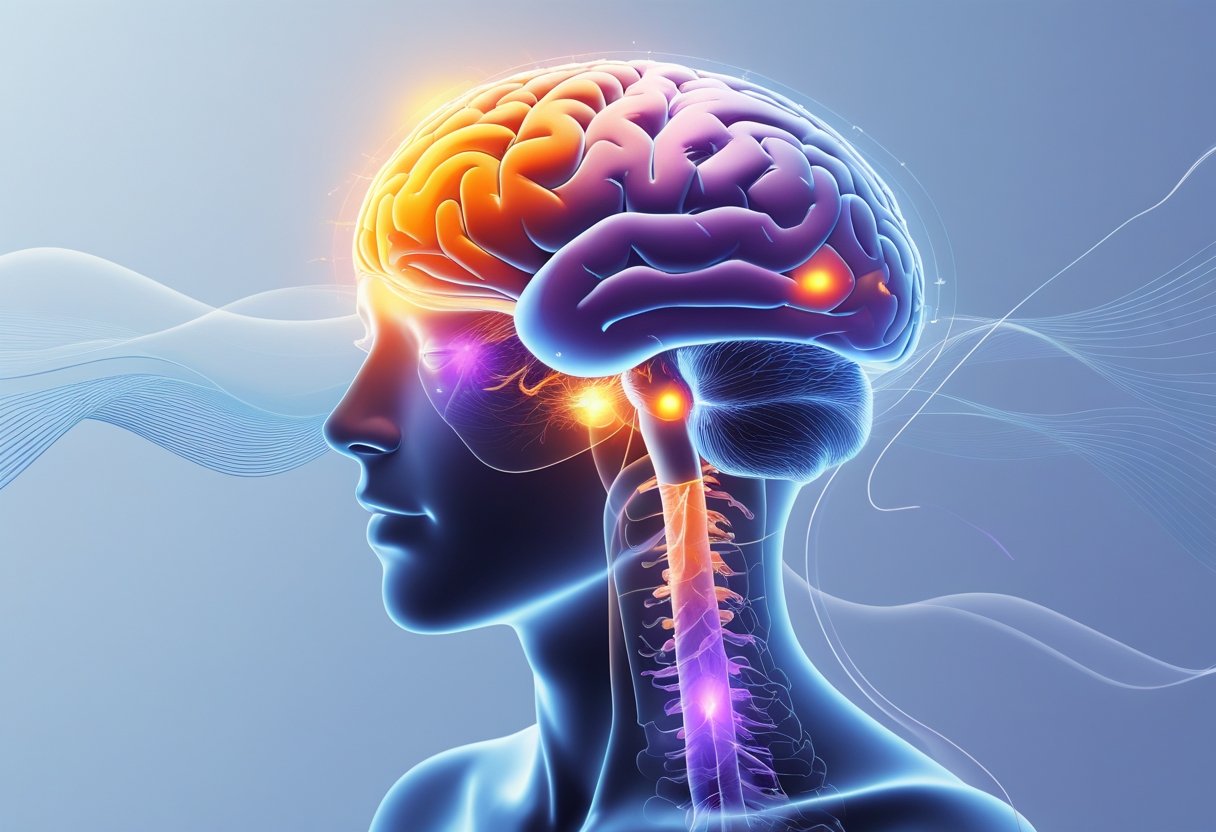
Hormones are your body's chemical messengers. They regulate metabolism, muscle growth, fat storage, mood, fertility, sexual health, sleep, energy levels, and even brain function.
A small hormonal fluctuation is completely normal.
But when hormone levels remain abnormal for a prolonged period, they can significantly affect your physical health, mental well-being, and quality of life.
Two of the most common hormonal imbalances are:
♀ Women — High Testosterone
- Also called Hyperandrogenism
- Most commonly caused by PCOS
- Affects metabolism, fertility, and appearance
- Often underdiagnosed or ignored
♂ Men — High Estrogen
- Also called Hyperestrogenism
- Often linked to obesity or steroid use
- Affects testosterone, fertility, and body composition
- Frequently dismissed as a cosmetic issue
Both conditions are often misunderstood, ignored, or treated only after symptoms become severe. Let's understand the science behind them.
♀ Female Hormone Imbalance: High Testosterone
Although testosterone is commonly known as the "male hormone," women naturally produce it too. It is important for muscle maintenance, bone strength, libido, energy, mood, and overall health.
The problem begins when testosterone levels become excessively high.
Common Symptoms
- Acne, especially around the jawline
- Excess facial or body hair growth (Hirsutism)
- Hair thinning or male-pattern baldness
- Irregular or absent menstrual cycles
- Difficulty getting pregnant
- Weight gain, especially around the abdomen
- Deepening of the voice (in severe cases)
- Increased muscle mass
- Mood changes and irritability
Common Causes
1. Polycystic Ovary Syndrome (PCOS)
The most common cause of elevated testosterone in women. PCOS can lead to irregular periods, multiple ovarian cysts, insulin resistance, infertility, weight gain, acne, and excess hair growth.
2. Insulin Resistance
High insulin levels stimulate the ovaries to produce more testosterone — creating a vicious cycle: weight gain → higher insulin → more testosterone → more hormonal imbalance.
3. Adrenal Gland Disorders
The adrenal glands also produce androgens. Certain medical conditions can increase testosterone production from this source.
4. Certain Medications or Anabolic Steroids
Some medications and performance-enhancing drugs may significantly increase androgen levels in women.
5. Rare Hormone-Producing Tumors
Although uncommon, tumors of the ovaries or adrenal glands can produce excessive testosterone.
⚠️ Long-Term Complications — High Testosterone in Women
- Infertility
- Metabolic syndrome
- Type 2 diabetes
- High cholesterol
- High blood pressure
- Fatty liver disease
- Depression and anxiety
- Sleep disturbances
♂ Male Hormone Imbalance: High Estrogen
Men also naturally produce estrogen. It plays important roles in bone health, brain function, libido, and cardiovascular health.
However, excessive estrogen can negatively affect multiple body systems.
Common Symptoms
- Enlarged breast tissue (Gynecomastia)
- Reduced libido
- Erectile dysfunction
- Fat gain, especially around the chest and hips
- Loss of muscle mass
- Mood swings
- Fatigue
- Reduced body hair
- Water retention
- Difficulty maintaining strength
Common Causes
1. Obesity
Fat tissue contains the enzyme aromatase, which converts testosterone into estrogen. More body fat often means greater estrogen production.
2. Liver Disease
The liver helps metabolize excess estrogen. Poor liver function may allow estrogen levels to rise unchecked.
3. Certain Medications
Some medications may increase estrogen or reduce testosterone — including certain hormone therapies, anti-androgen medications, and a few other prescription drugs.
4. Excessive Alcohol Consumption
Heavy alcohol intake can impair liver function and contribute directly to hormonal imbalance.
5. Anabolic Steroid Use
Many anabolic steroids suppress natural testosterone production. Some also convert into estrogen through aromatization — increasing the risk of gynecomastia, water retention, mood changes, and hormonal suppression.
6. Rare Medical Conditions
Certain tumors or endocrine disorders may also cause estrogen levels to rise in men.
⚠️ Long-Term Complications — High Estrogen in Men
- Reduced fertility
- Erectile dysfunction
- Low testosterone
- Osteoporosis
- Increased body fat
- Reduced muscle mass
- Insulin resistance
- Depression
- Reduced quality of life
Can Hormone Imbalance Be Prevented?
Many cases cannot be completely prevented because genetics and certain medical conditions also play a role. However, healthy lifestyle habits can significantly reduce the risk and help improve hormonal balance.
✅ Lifestyle Habits That Support Hormonal Balance
- Maintaining a healthy body weight
- Regular resistance training and physical activity
- Eating a balanced, nutrient-rich diet
- Managing stress effectively
- Sleeping 7–9 hours per night
- Limiting alcohol intake
- Avoiding unnecessary anabolic steroid use
- Managing insulin resistance and chronic health conditions
- Seeking medical evaluation for persistent symptoms
When Should You See a Doctor?
Consult a qualified healthcare professional if you experience persistent symptoms such as:
- Irregular menstrual cycles
- Excess facial hair or severe acne in women
- Enlarged breast tissue in men
- Low libido or erectile dysfunction
- Difficulty conceiving
- Unexplained fatigue
- Rapid body composition changes
- Symptoms that continue despite a healthy lifestyle
Final Thoughts
Hormones influence almost every system in the human body. High testosterone in women and high estrogen in men are not simply cosmetic concerns — they can affect metabolism, fertility, mental health, cardiovascular health, and overall well-being.
Recognizing symptoms early, understanding the underlying cause, and seeking appropriate medical care can make a significant difference.
Want to read more science-based articles on fitness, nutrition, and hormonal health? Visit the Coach Himanshu Blog →
Disclaimer: This blog is intended for educational purposes only and should not be considered medical advice. If you suspect a hormonal imbalance or have persistent symptoms, consult a qualified healthcare professional for proper evaluation, diagnosis, and treatment.
Need Professional Guidance?
Your hormones, lifestyle, and health background are unique. Get evidence-based coaching built around your body — not generic advice.
View Coaching Plans →Not ready for coaching yet? Start for free.
🇮🇳 Fit Bharat Mission — Free Diet & Workout Plan →Or visit the Coach Himanshu homepage to learn more.
Related Articles

Navratri Vrat Without the Guesswork: Rules, Body Science and Workouts
Navratri fasting varies by family, region and community, so this blog lays out the vrat rules as commonly followed rather than as one fixed rulebook. It explains the main types of fast (full vrat, first-and-last-day, phalahar, one meal a day, nirjala) and who each suits physiologically. It covers what fasting does inside the body, both the benefits and the risks. It exposes vrat-food traps like sabudana and fried snacks, and busts myths about detox, sendha namak and weight loss. It then gives practical workout guidance for each fast type, plus warning signs for when to stop and see a doctor.

Desk Job Posture: How to Reduce Back Pain, Rounded Shoulders and Hip Stiffness
Long hours of sitting can contribute to stiffness, reduced activity and discomfort in the back, shoulders and hips—but there is no single perfect posture everyone must maintain. This evidence-based guide explains common desk-job posture concerns, including rounded shoulders, forward head posture and anterior pelvic tilt, while separating research-backed advice from common myths. Discover practical strength exercises, mobility routines, movement breaks and ergonomic adjustments to support better movement and back health. Learn how to build sustainable habits, what improvements to expect, and when professional medical evaluation is necessary.
The Avascular Truth: Why Your Joints Take Months, Not Weeks, to Heal
Cartilage has almost no blood supply, so unlike muscle or skin it can't call in oxygen, nutrients, or repair cells fast — it relies on slow diffusion from joint fluid instead. This blog explains why that makes cartilage damage (like meniscus tears or worn knee cartilage) take months to partially heal, and sometimes never fully recover to its original quality. It covers what actually damages cartilage, the warning signs that mean "adjust training" rather than "push through," and busts common myths around joint cracking and glucosamine supplements. It closes with how Coach Himanshu builds training plans that protect joint longevity while still progressing strength and performance.
Ready to Start Your Fitness Journey?
Get personalized training and nutrition guidance from Coach Himanshu
Explore Plans