Rashtriya Poshan Maah 2026: The Same Protein Gap the Government and Your Coach Are Both Talking About

Rashtriya Poshan Maah 2026: What India's National Nutrition Month Actually Means For Your Diet
Every September, the Ministry of Women and Child Development runs a month-long, government-backed nutrition campaign across the country. Here's what Rashtriya Poshan Maah 2026 actually focuses on — and why its core message applies to your own plate too, not just to Anganwadi Centres.
From September 1 to September 30 every year, India runs one of its largest community nutrition campaigns: Rashtriya Poshan Maah, or National Nutrition Month. It's easy to assume this is only about government schemes and Anganwadi Centres, but the actual dietary message behind it, dietary diversity and adequate protein, is precisely the gap most adult Indian diets also have. Before we get into what the campaign covers, it helps to know where your own diet stands — the Indian Food Calorie Calculator gives you a real baseline across 850+ Indian foods.
What is Rashtriya Poshan Maah, exactly?
- Observed every September since 2018 — 2026 marks the 9th edition of the campaign.
- Run by the Ministry of Women and Child Development, Government of India, as part of Poshan Abhiyaan (India's National Nutrition Mission, launched 2018) and the current Mission Saksham Anganwadi & Poshan 2.0 framework.
- Formally launched by Union Minister Annpurna Devi on September 9, 2026, at the Rudraksh International Cooperation and Convention Centre in Varanasi, with the campaign itself spanning the full month across every state and union territory.
- This year's theme is "Hamari Anganwadi, Hamari Jimmedari" ("Our Anganwadi, Our Responsibility"), positioning the Anganwadi Centre as a shared community hub for nutrition, health, care, and early learning rather than just a food-supplementation point.
The five focus areas of Poshan Maah 2026
- Dietary diversity and adequate protein — actively combining cereals and millets, pulses, fruits and vegetables, nuts and seeds, and milk or other animal-source foods, with specific emphasis on getting adequate protein from both plant and animal sources.
- Fresh, hot cooked meals at Anganwadi Centres — this year's revised Supplementary Nutrition Programme guidelines define hot cooked meals for the first time and mandate menu boards at every centre.
- Community ownership and accountability — through newly guided Anganwadi Management Committees, making the Anganwadi Centre a shared community responsibility rather than a government-only initiative.
- Nutrition, early stimulation, and education — Early Childhood Care and Education (ECCE) activities for children aged 3–6, linking nutrition directly to early learning outcomes.
- 10 years of the Pradhan Mantri Matru Vandana Yojana (PMMVY) — the flagship maternity benefit scheme, with a 100% saturation drive this year to enroll every eligible pregnant and lactating woman.
Why this national push matters even if you're not a mother, pregnant, or a toddler
Poshan Maah's frontline delivery runs through Anganwadi Centres, so it's easy to file this under "not relevant to me." But look closely at the actual nutritional message behind it: deliberately combining cereals, pulses, dairy, nuts and seeds to hit adequate protein. That's not a childhood-specific problem — it's one of the most common gaps coaches see in adult Indian diets too, vegetarian and non-vegetarian alike. A diet built mostly around rice, roti, and sabzi, with pulses and dairy added as an afterthought rather than a deliberate protein source, tends to fall short for anyone trying to build muscle, recover from training, or simply maintain long-term health. The government's own national messaging on this points at the exact same fix a coach would give you individually: diversify the plate, don't just fill it.
Common nutrition myths this campaign's message quietly corrects
How Coach Himanshu helps you apply real nutrition science to your own plate
The principle behind Poshan Maah, deliberate dietary diversity and adequate protein, is the same principle behind any effective personal nutrition plan. The difference is applying it specifically to your body, your goal, and your daily meals.
- Meal plans built on real dietary diversity — across cereals and millets, pulses, dairy, nuts and seeds, and both plant and animal protein sources, sized to household portions you'll actually eat.
- An accurate starting baseline from the Indian Food Calorie Calculator, so your protein and calorie targets are based on your actual intake, not a guess.
- Structured 1:1 online personal training that pairs this nutrition literacy with an actual training program, so adequate protein intake translates into real muscle maintenance and recovery.
- Coaching backed by real credentials — see what NASM certification actually means for your coach — so the guidance behind your plate is evidence-based, not guesswork.
National Nutrition Month is a reminder that dietary diversity and adequate protein matter for the whole country. A personalized plan is how that same principle actually gets applied to your plate, every single day.
Ready to fix the gaps in your own diet this Poshan Maah?
Get a real Indian diet and workout plan built around your body, routine and goal — not another one-size-fits-all template.
Related Articles
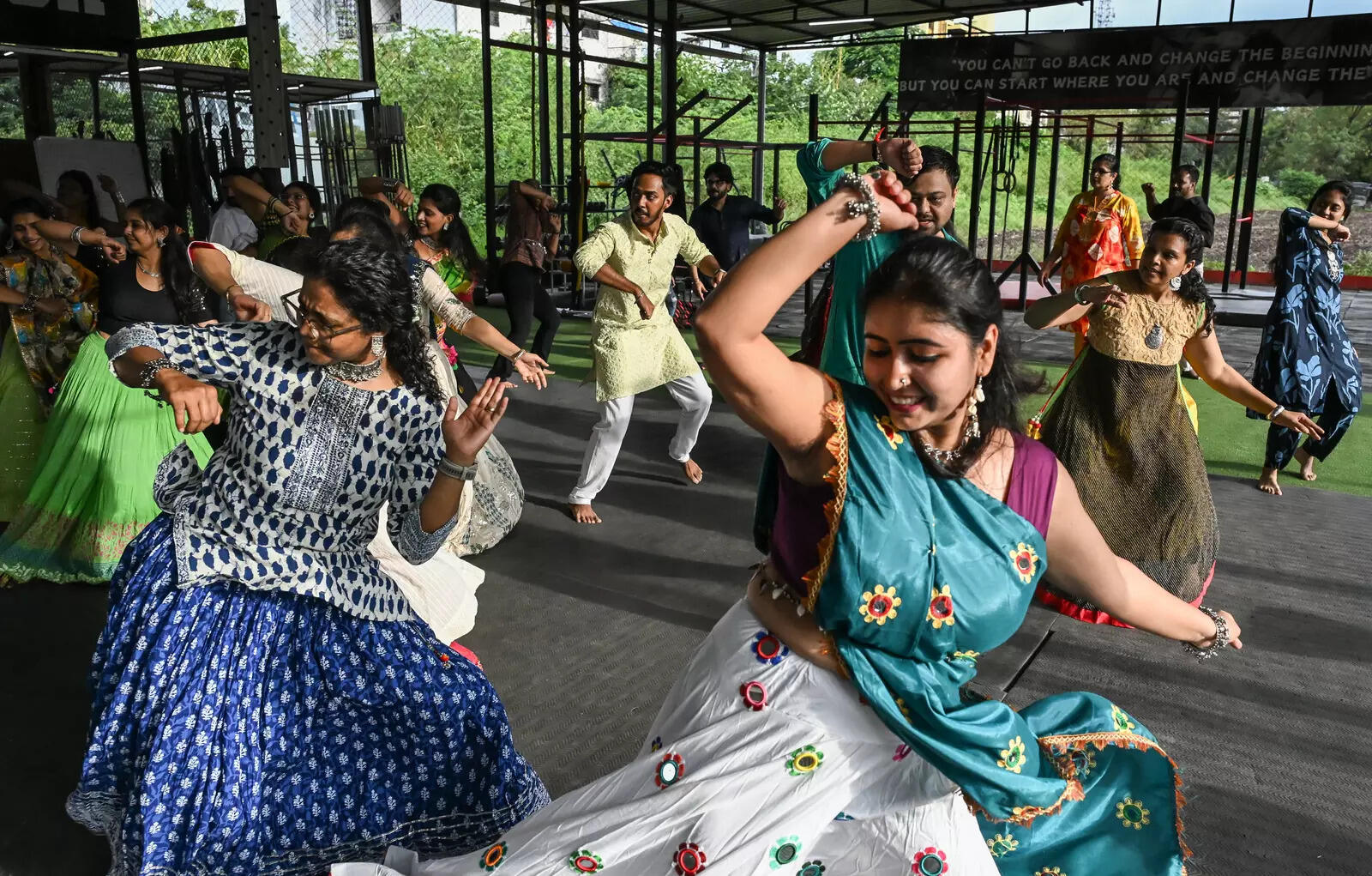
Navratri Vrat Without the Guesswork: Rules, Body Science and Workouts
Navratri fasting varies by family, region and community, so this blog lays out the vrat rules as commonly followed rather than as one fixed rulebook. It explains the main types of fast (full vrat, first-and-last-day, phalahar, one meal a day, nirjala) and who each suits physiologically. It covers what fasting does inside the body, both the benefits and the risks. It exposes vrat-food traps like sabudana and fried snacks, and busts myths about detox, sendha namak and weight loss. It then gives practical workout guidance for each fast type, plus warning signs for when to stop and see a doctor.

Desk Job Posture: How to Reduce Back Pain, Rounded Shoulders and Hip Stiffness
Long hours of sitting can contribute to stiffness, reduced activity and discomfort in the back, shoulders and hips—but there is no single perfect posture everyone must maintain. This evidence-based guide explains common desk-job posture concerns, including rounded shoulders, forward head posture and anterior pelvic tilt, while separating research-backed advice from common myths. Discover practical strength exercises, mobility routines, movement breaks and ergonomic adjustments to support better movement and back health. Learn how to build sustainable habits, what improvements to expect, and when professional medical evaluation is necessary.
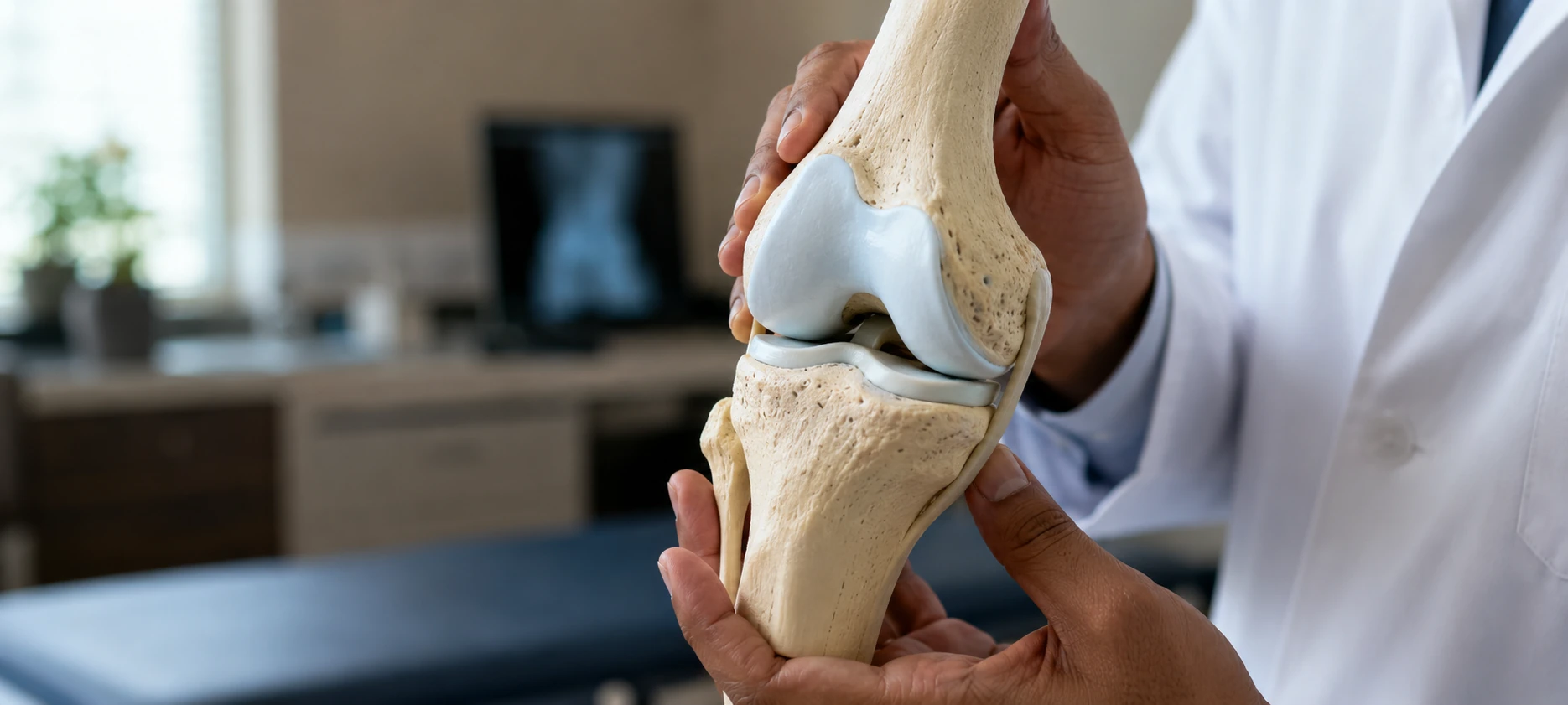
The Avascular Truth: Why Your Joints Take Months, Not Weeks, to Heal
Cartilage has almost no blood supply, so unlike muscle or skin it can't call in oxygen, nutrients, or repair cells fast — it relies on slow diffusion from joint fluid instead. This blog explains why that makes cartilage damage (like meniscus tears or worn knee cartilage) take months to partially heal, and sometimes never fully recover to its original quality. It covers what actually damages cartilage, the warning signs that mean "adjust training" rather than "push through," and busts common myths around joint cracking and glucosamine supplements. It closes with how Coach Himanshu builds training plans that protect joint longevity while still progressing strength and performance.
Ready to Start Your Fitness Journey?
Get personalized training and nutrition guidance from Coach Himanshu
Explore Plans