Creatine for Beginners: Complete Guide for Indians
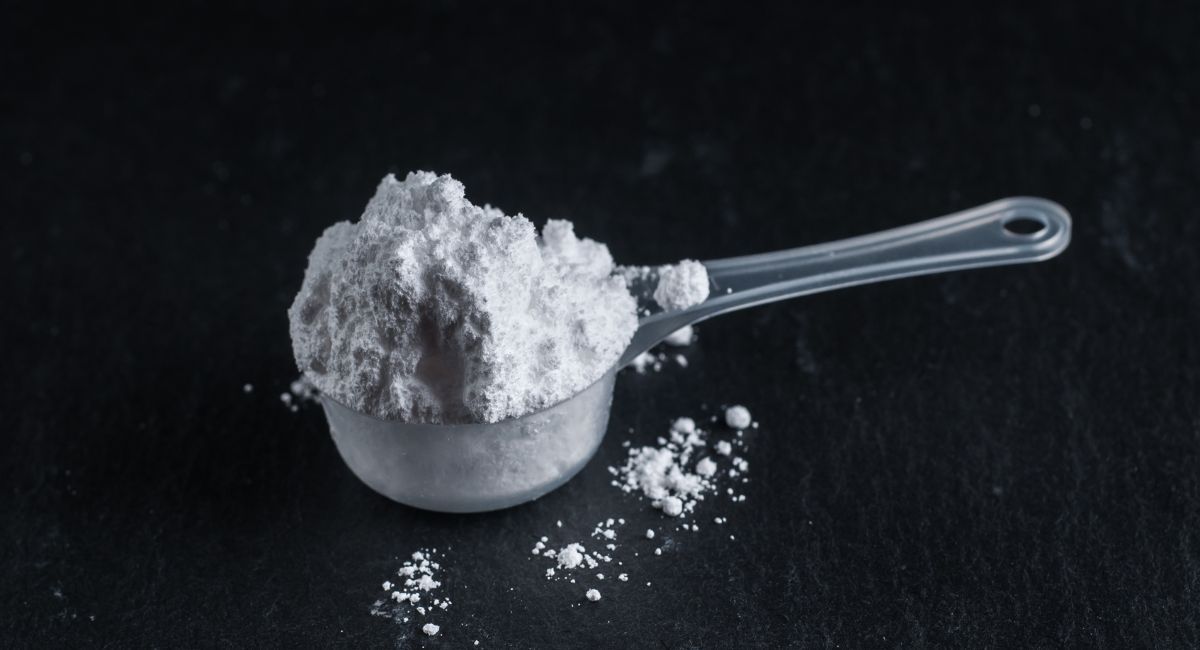
Creatine is the most researched and most effective legal supplement for building strength and muscle -- backed by hundreds of studies, remarkably safe, and one of the cheapest supplements you can buy. And here is the part most Indians miss: because vegetarians get almost none from their diet, creatine may matter even more for you.
Yet it is also the most misunderstood supplement, buried under myths about kidney damage, hair loss, and "it's basically a steroid." None of that holds up to the science. This guide clears it up: what creatine does, exactly how to take it, and who should (and shouldn't) use it.
What Is Creatine and How Does It Work?
Creatine is a natural compound your body already makes and stores in your muscles, where it helps produce quick bursts of energy. You also get small amounts from red meat and fish. When you supplement, you top up your muscle creatine stores, which lets you:
Push slightly harder: More reps, a little more weight, better power output -- the extra training stimulus that drives muscle and strength over time.
Recover between sets: Faster energy replenishment means stronger performance across your whole session.
Hold more water inside the muscle: Creatine pulls water into muscle cells, which supports growth and gives a fuller look (this is intracellular water, not fat or bloat).
Why Indian Vegetarians Benefit the Most
Dietary creatine comes almost entirely from meat and fish. Vegetarians and vegans therefore start with lower muscle creatine stores -- which means they often see a bigger jump when they start supplementing. If you are a vegetarian Indian who lifts, creatine is arguably the single most worthwhile supplement you can add, even ahead of protein powder if budget is tight (though ideally you have both). Pair it with adequate protein -- see our guide on how much protein per day.
How to Take Creatine
It is genuinely simple -- ignore the complicated protocols on supplement labels.
Dose: 3-5 grams every single day. That's it.
Loading phase? Optional and unnecessary. Loading (20 g/day for a week) just fills your stores faster; a steady 3-5 g/day gets you to the same place in 3-4 weeks without the stomach discomfort.
Timing: Doesn't matter much -- morning, pre- or post-workout, whenever you'll remember. Consistency beats timing.
Every day, including rest days: The goal is to keep your muscles saturated, so take it daily, not just on training days.
With water: Mix in water, juice, milk, or your protein shake. Drink enough water through the day.
Creatine Myths, Debunked
| Myth | The Reality |
|---|---|
| "It damages your kidneys" | In healthy people, research shows no harm to kidneys or liver. The concern applies only to those with existing kidney disease. |
| "It's a steroid" | Creatine is not a hormone or a steroid -- it's a natural compound found in food and made by your body. |
| "It causes hair loss" | Based on a single small study on a hormone marker; direct hair loss has never been demonstrated. Evidence does not support this. |
| "It makes you fat / bloated" | Any early weight gain is water held inside the muscle, not fat. Most people don't notice visible bloating. |
| "You must cycle on and off" | No need. Daily, continuous use is safe and keeps your stores topped up. |
| "It's only for men / bodybuilders" | Women benefit equally, and older adults may gain strength, muscle preservation, and even cognitive benefits. |
Who Should Be Careful
What to Expect
| Timeframe | What Usually Happens |
|---|---|
| Week 1-2 | 1-2 kg of scale weight from muscle water (normal and healthy), fuller-looking muscles |
| Week 3-4 | Stores fully saturated; better reps, strength, and gym performance |
| Month 2-3 | Noticeable strength and muscle gains from the harder training it enables |
Creatine is cheap, safe, and it works -- a rare combination in the supplement world. It won't do the work for you, but it makes the work you do count for more.
Common Mistakes
- Expecting magic: Creatine amplifies good training and nutrition -- it doesn't replace them.
- Buying "advanced" forms: Plain monohydrate is the best-value, best-evidence choice.
- Stopping on rest days: Take it daily to keep muscles saturated.
- Skipping protein: Creatine works best alongside enough protein and progressive overload.
- Worrying about water weight: The early kg is muscle water, not fat -- it's a good sign.
Get a Plan That Uses Supplements Wisely
Coach Himanshu builds training and nutrition plans that put the fundamentals first -- protein, progressive training, and consistency -- and use supplements like creatine only where they genuinely help. NASM certified, science-backed, and tailored to Indian diets and budgets.
Take the free fitness assessment to get a plan built for your goals, or explore the coaching plans. You may also like our guides on how much protein per day, the best diet plan for muscle building, Indian vegetarian bodybuilding, and a beginner's guide to protein supplements -- plus more on our fitness blog.
Frequently Asked Questions
Is creatine safe?
Yes. Creatine monohydrate is one of the most studied supplements in the world, with hundreds of studies showing it is safe for healthy people even with long-term daily use. It does not harm the kidneys or liver in people with normal kidney function. The only real caution is for those with existing kidney disease, who are pregnant or breastfeeding, or on relevant medication -- they should consult a doctor first.
How much creatine should I take per day?
Take 3 to 5 grams of creatine monohydrate every day, including rest days. A loading phase (around 20 grams a day for a week) is optional and only fills your muscle stores faster -- a steady 3 to 5 grams reaches the same saturation in about 3 to 4 weeks without any stomach discomfort. Timing does not matter much, so take it whenever you will remember consistently.
Which creatine is best?
Plain creatine monohydrate is the best choice -- it is the most researched, most effective, and cheapest form. "Advanced" versions like creatine HCL, ethyl ester, or buffered creatine cost more but have never been shown to work better than monohydrate. Buy a plain, quality-tested monohydrate and save your money.
Does creatine cause hair loss or kidney damage?
No solid evidence supports either claim in healthy people. The hair-loss myth comes from a single small study measuring a hormone marker, not actual hair loss, and it has not been replicated. Kidney concerns apply only to people with pre-existing kidney disease -- in healthy individuals, research consistently shows no kidney or liver harm.
Is creatine good for vegetarians?
Yes -- vegetarians and vegans often benefit the most. Dietary creatine comes almost entirely from meat and fish, so vegetarians start with lower muscle creatine stores and tend to see a bigger improvement in strength and muscle when they supplement. For an Indian vegetarian who trains, creatine is one of the most worthwhile supplements available.
Will creatine make me gain fat or look bloated?
No. Any weight you gain in the first couple of weeks is water stored inside the muscle cells, not fat -- and it actually supports muscle growth and gives a fuller look. Most people do not experience visible bloating. Creatine has no calories and does not cause fat gain.
Creatine is a simple, proven addition to a solid training and nutrition plan -- not a shortcut. Nail your protein and training first, then add 3-5 g of monohydrate daily. For a plan built around your goals, take the free assessment or explore the knowledge hub.
Related Articles

The 20-Second Habit That Stops Most Infections: Soap vs Sanitiser, Myths and Proper Technique
Handwashing with plain soap and water for 20 seconds is one of the simplest, highest-return habits for preventing everyday stomach and respiratory infections—cutting diarrhoeal illness by roughly 30% and colds or flu by up to 21%. This evidence-based guide explains how soap physically breaks apart viruses and lifts bacteria off the skin, walks through the 6-step WHO handwashing technique, and compares soap against alcohol sanitisers. It also highlights critical times to wash in daily Indian routines, debunks common myths around hot water and antibacterial soaps, and shares simple tips to protect your skin from dryness.

Pregnancy Nutrition & Fitness Guide: What to Eat, Exercise & Avoid
This evidence-based pregnancy guide covers essential nutrition, supplements, and healthy weight gain throughout all three trimesters. Learn about safe exercises, recommended physical activity, and foods to eat, avoid, or limit during pregnancy. It also addresses common pregnancy myths, including papaya and pineapple, and explains important warning signs that require medical attention. A practical guide for Indian women to support a healthier pregnancy under proper medical guidance.

Vitamin B12 Deficiency in India: Symptoms, Foods, Tests & Treatment
Vitamin B12 is essential for healthy nerves, red blood cell formation and normal body function, yet deficiency can go unnoticed for years. This evidence-based guide explains the common symptoms, risk factors and why vegetarians in India may be particularly vulnerable. Discover reliable food sources, appropriate tests, supplement options and the truth behind popular B12 myths. Learn when to seek medical advice and how to address a deficiency safely. **Make informed nutrition choices with Coach Himanshu.**
Ready to Start Your Fitness Journey?
Get personalized training and nutrition guidance from Coach Himanshu
Explore Plans