Lifestyle Diseases — The Modern Epidemic

Most people think diseases happen suddenly — like one day you’re healthy, and the next day you’re sick. But reality is very different. The most dangerous diseases today don’t come overnight. They build slowly, silently, and consistently through your daily habits. These are called lifestyle diseases — and they are responsible for the majority of health problems worldwide.
Lifestyle diseases are not just about genetics or bad luck. They are driven by how you live — what you eat, how much you move, how well you sleep, and how you manage stress. And the most dangerous part is that most people don’t realize the damage until it becomes serious.
So what exactly are lifestyle diseases, and what is happening inside your body? Let’s break it down scientifically.
1️⃣ What Are Lifestyle Diseases?
Lifestyle diseases are chronic conditions that develop over time due to unhealthy behaviors such as poor diet, physical inactivity, chronic stress, smoking, alcohol consumption, and sleep deprivation. Unlike infections, these diseases progress slowly and often remain unnoticed in the early stages.
Common examples include diabetes, hypertension, obesity, cardiovascular diseases, and fatty liver. These conditions are interconnected — one often leads to another. For example, obesity increases the risk of insulin resistance, which can lead to diabetes and further increase the risk of heart disease.
2️⃣ What’s Happening Inside Your Body (Core Mechanism)
At the root of most lifestyle diseases are key biological disturbances such as chronic inflammation, insulin resistance, hormonal imbalance, and metabolic dysfunction. When you consistently consume excess calories and remain inactive, your body starts storing fat, especially around internal organs.
This visceral fat is metabolically active and releases inflammatory chemicals, leading to chronic low-grade inflammation. At the same time, your cells become less responsive to insulin, resulting in elevated blood sugar levels. Hormones like cortisol also remain elevated due to stress and poor sleep, further worsening metabolic imbalance.
3️⃣ Major Types of Lifestyle Diseases
Type 2 diabetes occurs when the body becomes resistant to insulin, leading to chronically high blood sugar levels that damage blood vessels and organs over time. Hypertension, or high blood pressure, silently damages arteries and increases the risk of heart attack and stroke.
Obesity is not just excess weight — it is a metabolic condition associated with inflammation and hormonal imbalance. Cardiovascular diseases involve blockage or dysfunction of blood vessels supplying the heart, often due to long-term poor lifestyle habits. Fatty liver disease develops when excess fat accumulates in the liver due to poor diet and insulin resistance, potentially leading to serious liver damage.
4️⃣ Why These Diseases Are Increasing Today
Modern lifestyle prioritizes convenience over health. Physical activity has reduced, screen time has increased, and diets have become highly processed and calorie-dense. At the same time, stress levels are consistently high and sleep quality is poor.
This combination creates a perfect environment for metabolic dysfunction. The body is constantly exposed to excess energy intake but minimal physical output, leading to fat accumulation, hormonal imbalance, and chronic disease development.
5️⃣ Early Warning Signs You Should Not Ignore
Your body gives early signals before major disease develops. Persistent fatigue, increased belly fat, poor sleep quality, brain fog, frequent cravings, low energy levels, and reduced physical performance are early indicators of metabolic dysfunction.
Ignoring these signals allows the problem to progress silently. By the time lab values become abnormal, significant internal damage may already be present.
6️⃣ Prevention — The Real Solution
Lifestyle diseases are largely preventable and even reversible in early stages. A balanced diet with adequate protein, controlled calorie intake, and minimal processed food supports metabolic health. Regular physical activity and strength training improve insulin sensitivity and overall body function.
Quality sleep regulates hormones and recovery, while stress management prevents chronic cortisol elevation. Consistency in these basic habits is far more powerful than extreme or short-term solutions.
🏁 Final Words from Coach Himanshu
Lifestyle diseases are not accidents — they are the result of repeated daily choices. Your body constantly adapts to your habits. If your lifestyle is poor, your health will decline slowly but consistently. If your lifestyle is strong, your body becomes resilient.
You don’t need shortcuts or extreme methods. You need discipline in fundamentals. Move regularly, eat intelligently, sleep properly, and manage stress. Because your lifestyle is either building your health or destroying it — every single day.
Related Articles

Why Winter Is the Best Season to Transform Your Body — And Why Most People Waste It
Winter genuinely is the best season to transform your body — less heat strain means longer, harder training sessions, and cooler nights support better sleep and recovery. But most "winter arc" attempts fail not because of the season, but because sudden, extreme reel-inspired diets and workouts crash within weeks. Real transformation still runs on the same basics year-round: a structured calorie target, progressive overload, and 12-16 weeks of consistency. Coach Himanshu's coaching platform builds a plan sized to your actual starting point so you're still progressing in week 14, not just week 2.
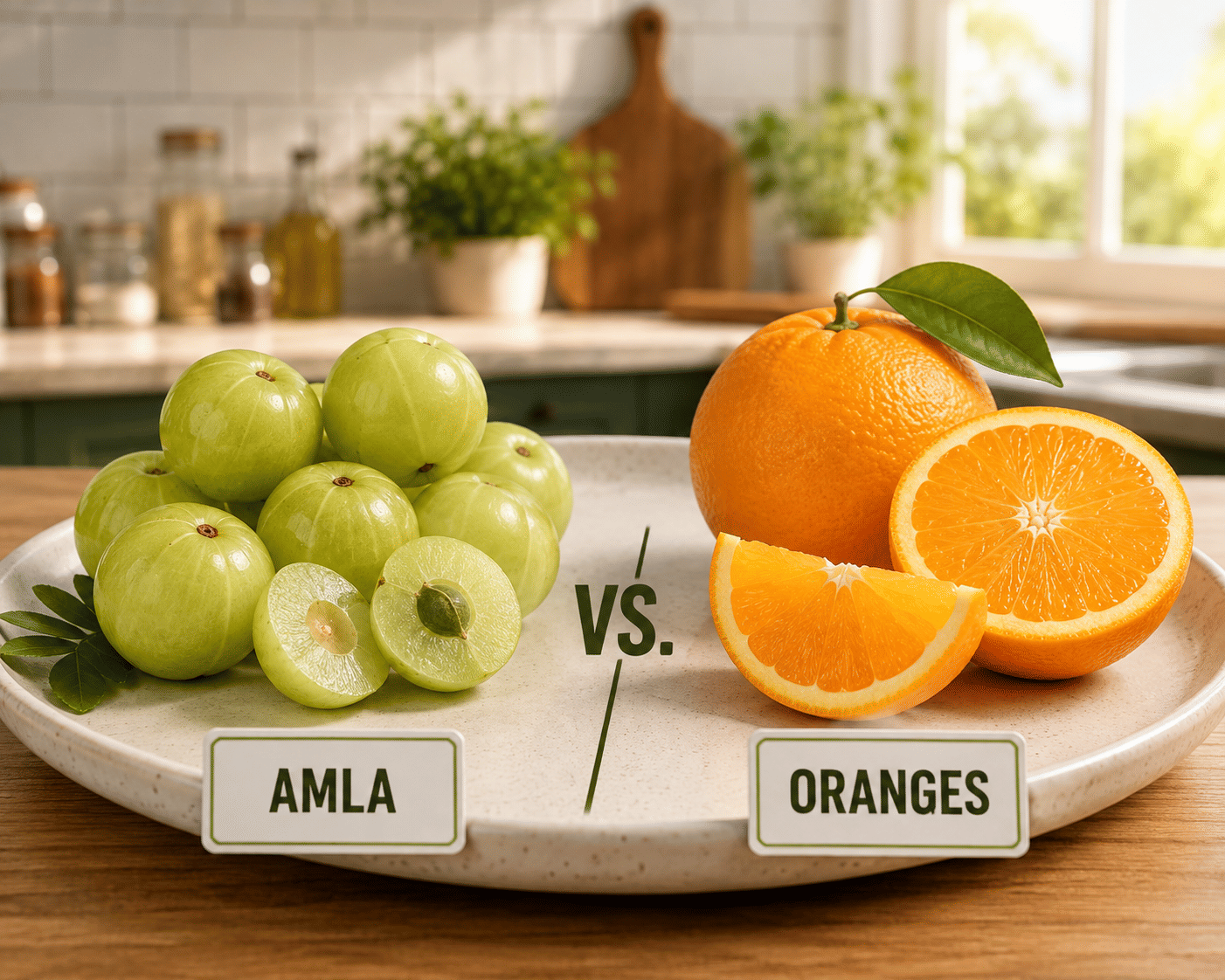
Amla vs Orange: The Real Vitamin C Rankings for Indian Diets
This blog explains what vitamin C really does in the body, how much you actually need, and which Indian foods give you the most of it — spoiler: amla and guava beat oranges by far. It clears up common myths, like the idea that taking huge doses prevents colds, using a simple color-coded myth vs. fact section. It also covers who might need a bit more vitamin C (like smokers), how much is too much, and why food sources are better than relying on serums or supplements alone.
The Calorie Calculator That Finally Understands Indian Food
Most calorie apps aren't built for Indian food — they can't tell you what a katori of dal actually costs you. This post introduces the Indian Food Calorie Calculator, a tool with 600+ Indian foods searchable in real household units (katori, roti, cup), pulling data from INDB, ICMR and USDA sources. It walks through how to use it, breaks down a real thali's calories and protein as an example, and makes the point that knowing your numbers is step one — a personalized plan is step two.
Ready to Start Your Fitness Journey?
Get personalized training and nutrition guidance from Coach Himanshu
Explore Plans