Coach Himanshu
•
February 7, 2026
•
4 min read

L-Carnitine Explained: Science, Functions, Dosage, Safety & Real Fat Loss Truth
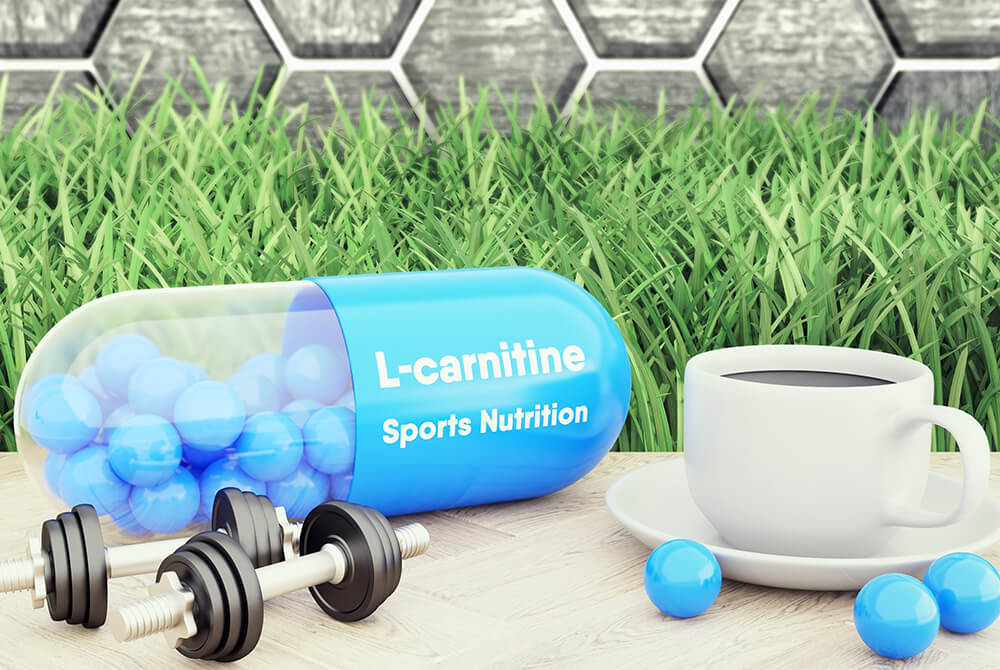
L-Carnitine Explained: Science, Functions, Dosage, Safety & Real Fat Loss Truth

L-Carnitine Explained: Science, Benefits, Dosage & Safety

Written by Coach Himanshu

L-Carnitine is one of the most popular supplements in the fitness industry, often marketed as a fat burner. However, understanding the real science behind its function, benefits, and correct usage is essential before considering supplementation.

L-Carnitine is not a magic fat burner — it is a metabolic support compound that helps transport fatty acids for energy production and supports recovery and performance when used correctly.

What Is L-Carnitine?

L-Carnitine is a naturally occurring compound produced from amino acids lysine and methionine. It is synthesized in the liver and kidneys and stored primarily in muscle tissue. Dietary sources include red meat, fish, chicken, and dairy products. Its primary role is assisting cellular energy production.

Main Functions of L-Carnitine

  • Transports long-chain fatty acids into mitochondria for energy production
  • Supports endurance and exercise performance
  • May assist muscle recovery and reduce fatigue
  • Supports brain and cardiovascular metabolism

Is L-Carnitine a Fat Burner?

L-Carnitine does not directly burn fat on its own. Fat loss still depends on calorie balance, resistance training, physical activity, sleep quality, and hormonal health. Supplementation may benefit individuals with lower natural carnitine levels but is not a standalone fat-loss solution.

Is Supplementation Good or Bad?

Supplementing L-Carnitine can be beneficial when used appropriately, particularly for endurance athletes, vegetarians, older adults, and individuals with higher physical stress levels. However, results vary between individuals and it should not replace proper nutrition and training.

Common Types of L-Carnitine

  • L-Carnitine Tartrate – commonly used for exercise performance and recovery
  • Acetyl-L-Carnitine – supports brain and nervous system health
  • Propionyl-L-Carnitine – supports circulation and cardiovascular function

Accurate Dosage Guidelines

Typical effective dosage ranges between 1000 mg to 3000 mg per day. Beginners should start with lower doses to assess tolerance and increase gradually if necessary. Higher doses do not necessarily provide additional benefits.

When Should You Take L-Carnitine?

  • 30–60 minutes before workouts
  • With carbohydrate-containing meals to improve uptake
  • Split into two daily doses if using higher intake levels

Who Should Consider Taking L-Carnitine?

  • Vegetarians and vegans
  • Endurance athletes
  • Individuals experiencing fatigue
  • Older adults
  • People with high training stress

How to Take L-Carnitine

  • Available in capsules, tablets, or liquid form
  • Consume with meals or pre-workout
  • Stay properly hydrated
  • Combine with structured exercise and balanced diet

Precautions & Possible Side Effects

  • Mild stomach discomfort in some individuals
  • Fishy body odor at very high doses
  • Digestive upset if overdosed
  • Possible interactions with certain medications

Final Words from Coach Himanshu

L-Carnitine can be a useful supplement for specific individuals, but it is not a replacement for disciplined training, structured nutrition, and proper recovery. Focus first on strength training, balanced diet, and sleep consistency. Use supplements intelligently as support tools — not shortcuts.

Related Articles

The 20-Second Habit That Stops Most Infections: Soap vs Sanitiser, Myths and Proper Technique

The 20-Second Habit That Stops Most Infections: Soap vs Sanitiser, Myths and Proper Technique

Handwashing with plain soap and water for 20 seconds is one of the simplest, highest-return habits for preventing everyday stomach and respiratory infections—cutting diarrhoeal illness by roughly 30% and colds or flu by up to 21%. This evidence-based guide explains how soap physically breaks apart viruses and lifts bacteria off the skin, walks through the 6-step WHO handwashing technique, and compares soap against alcohol sanitisers. It also highlights critical times to wash in daily Indian routines, debunks common myths around hot water and antibacterial soaps, and shares simple tips to protect your skin from dryness.

9 min read
Pregnancy Nutrition & Fitness Guide: What to Eat, Exercise & Avoid

Pregnancy Nutrition & Fitness Guide: What to Eat, Exercise & Avoid

This evidence-based pregnancy guide covers essential nutrition, supplements, and healthy weight gain throughout all three trimesters. Learn about safe exercises, recommended physical activity, and foods to eat, avoid, or limit during pregnancy. It also addresses common pregnancy myths, including papaya and pineapple, and explains important warning signs that require medical attention. A practical guide for Indian women to support a healthier pregnancy under proper medical guidance.

10 min read
Vitamin B12 Deficiency in India: Symptoms, Foods, Tests & Treatment

Vitamin B12 Deficiency in India: Symptoms, Foods, Tests & Treatment

Vitamin B12 is essential for healthy nerves, red blood cell formation and normal body function, yet deficiency can go unnoticed for years. This evidence-based guide explains the common symptoms, risk factors and why vegetarians in India may be particularly vulnerable. Discover reliable food sources, appropriate tests, supplement options and the truth behind popular B12 myths. Learn when to seek medical advice and how to address a deficiency safely. **Make informed nutrition choices with Coach Himanshu.**

10 min read

Ready to Start Your Fitness Journey?

Get personalized training and nutrition guidance from Coach Himanshu

Explore Plans

Request a free consultation

Leave your details and Coach Himanshu will get in touch within 24 hours. No payment, no commitment.

or message on WhatsApp instead →

Your details are only used to contact you about coaching. No spam, ever.

Get your free fitness assessment today

Chat with us