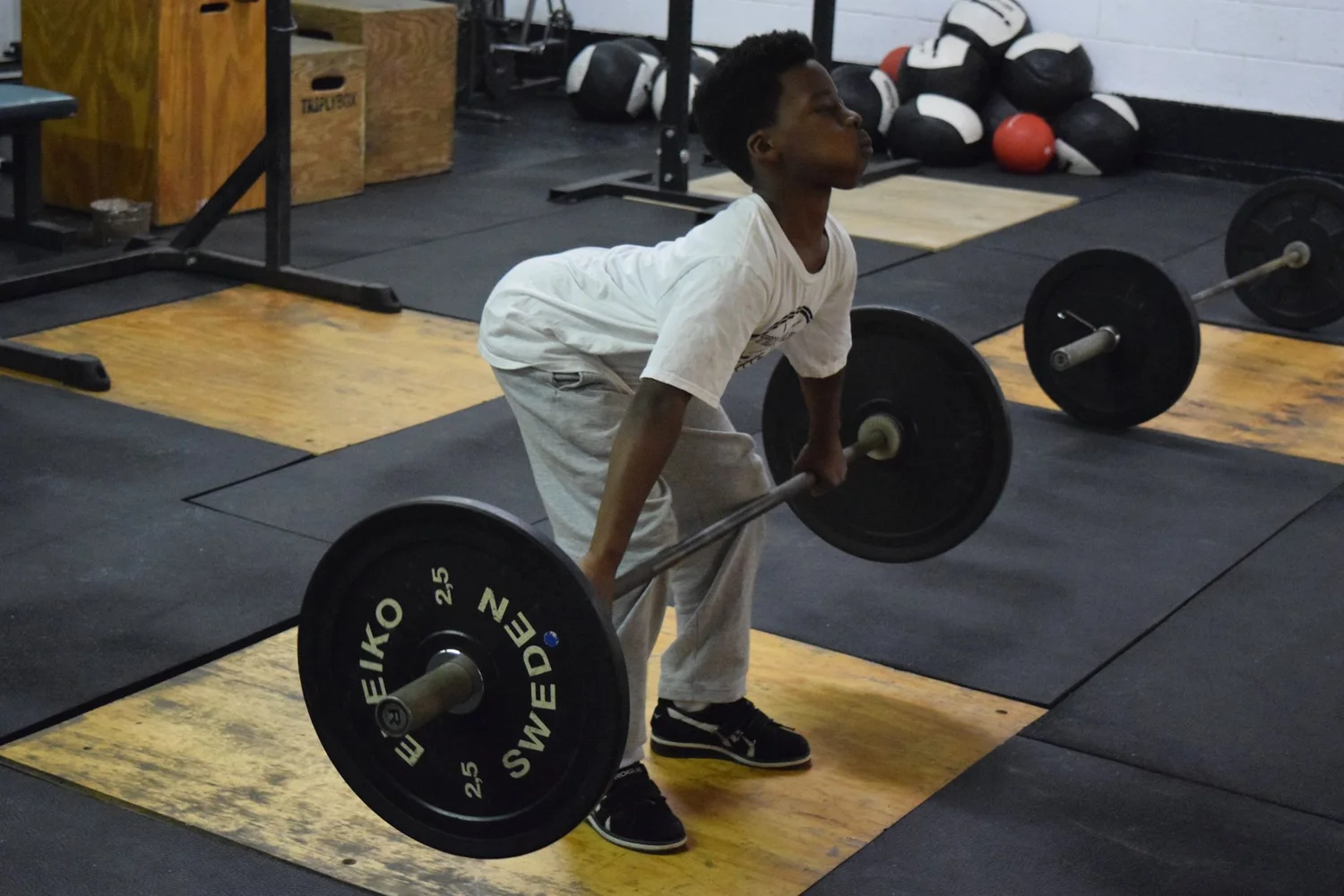
At What Age Should Kids Start Weight Training? The Height Myth Busted
One of the biggest fears among parents is that weight training stops height growth in children.
Because of this myth, many kids are kept away from strength training despite strong scientific evidence proving that properly supervised resistance training is safe and highly beneficial.
This blog explains the real science behind youth strength training, growth, safety, and long-term health.
Scientific research confirms that properly supervised strength training does NOT stunt height growth — instead it improves bone health, posture, coordination, and overall physical development.
The Biggest Myth: Does Weight Training Stop Height Growth?
Height is primarily determined by genetics, nutrition, hormonal balance, sleep quality, and overall health.
There is no scientific evidence showing that structured resistance training damages growth plates in healthy children when training is properly supervised.
Growth plate injuries usually occur due to poor technique, excessive loading, ego lifting, or lack of supervision — not strength training itself.
What Science Says About Youth Strength Training
Leading organizations including the American Academy of Pediatrics (AAP), National Strength and Conditioning Association (NSCA), and American College of Sports Medicine (ACSM) confirm that youth resistance training is safe when properly programmed.
Children benefit from improved neuromuscular control, stronger bones, injury prevention, and better overall fitness.
At What Age Can Kids Start Strength Training?
Age 5–7 Years: Movement Foundation
Children should focus on learning body control, coordination, and balance through play-based activities.
Exercises include basic bodyweight movements, crawling patterns, jumping drills, and light resistance bands.
The goal is movement education rather than muscle building.
Age 7–10 Years: Structured Introduction
Kids can begin learning basic strength movements with proper technique.
Training includes modified push-ups, bodyweight squats, light resistance exercises, and posture correction work.
The focus remains on skill development rather than heavy loading.
Age 11–14 Years: Skill Development Phase
During early puberty, training can include light to moderate resistance and controlled compound movements.
Neuromuscular development improves significantly during this phase.
Core stability, coordination, and injury prevention become major goals.
Age 15–18 Years: Progressive Strength Training
Once puberty progresses and technique is mastered, structured gym programs with progressive overload can be introduced.
Strength development, athletic performance, and muscle development become appropriate goals under proper supervision.
Scientific Benefits of Strength Training for Kids
- Improves bone mineral density and skeletal strength
- Enhances coordination and motor skills
- Reduces sports injury risk
- Improves posture and movement patterns
- Supports healthy body composition
- Builds confidence, discipline, and mental resilience
Why the Height Myth Started
Historically, children involved in heavy manual labor experienced growth issues due to malnutrition, excessive physical stress, and poor living conditions.
People mistakenly associated physical labor with resistance training.
Modern strength training is controlled, progressive, and scientifically programmed — completely different from uncontrolled labor.
Safety Guidelines for Kids Strength Training
- Prioritize technique over weight
- Avoid maximal lifting in early stages
- Ensure qualified supervision
- Maintain balanced full-body training
- Include warm-ups and mobility drills
- Provide adequate nutrition and hydration
- Ensure proper recovery and sleep
Exercises Safe for Kids (When Supervised)
- Bodyweight squats and lunges
- Push-ups and planks
- Resistance band rows
- Medicine ball drills
- Light dumbbell presses
- Balance and coordination exercises
Signs a Child Is Ready for Strength Training
- Ability to follow instructions
- Basic coordination and body control
- Interest in learning exercise skills
- Mental maturity and safety awareness
Final Message from Coach Himanshu
Strength training does not stop height growth — poor training practices do.
When properly supervised and age-appropriate, resistance training improves bone health, athletic performance, injury resistance, and long-term physical development.
Kids should be introduced to safe and structured strength training rather than being restricted because of outdated myths.