Hypertension & Strength Training: A Scientific Guide to Controlling High Blood Pressure Naturally

High blood pressure (hypertension) is one of the most common and dangerous lifestyle disorders worldwide.
According to global estimates, over 1.28 billion adults suffer from hypertension — and nearly half are unaware of it.
Often called the “silent killer,” it shows no symptoms but significantly increases the risk of heart attack, stroke, kidney failure, and early death.
While medication plays a role, lifestyle modification — especially strength training — is one of the most powerful long-term solutions.
❓ What Is Hypertension?
Hypertension is a condition where the force of blood against artery walls remains consistently elevated.
Over time, this damages blood vessels and vital organs like the heart, kidneys, brain, and eyes.
Thickens artery walls → reduces blood flow
Enlarges heart → increases heart failure risk
Damages kidney filters → leads to kidney disease
Weakens brain vessels → increases stroke risk
⚠️ Modern Lifestyle & Hypertension
Modern life is mismatched with human biology. Our bodies are built for movement, but our lifestyle promotes inactivity.
Desk jobs, prolonged sitting, minimal movement → weak heart, poor circulation, fat gain.
Fast food, packaged meals, excess sodium → fluid retention and increased blood pressure.
Chronic stress raises cortisol and adrenaline → constricts blood vessels and elevates BP.
Excess belly fat increases inflammation and insulin resistance → worsens hypertension.
🔬 How Strength Training Controls Blood Pressure
Strength training creates deep physiological changes that directly improve blood pressure regulation.
Enhances nitric oxide production → blood vessels relax → lower BP.
Studies show reductions of 5–10 mmHg systolic and 3–6 mmHg diastolic.
A stronger heart pumps more efficiently → reduced cardiac load → lower resting BP.
Better glucose control → reduced vascular stiffness → improved circulation.
Increased muscle mass boosts metabolism → reduces visceral fat → lowers BP.
Lowers cortisol and adrenaline while increasing feel-good hormones like endorphins.
✅ Is Strength Training Safe?
Yes — when done correctly, it is safe and recommended by major health organizations.
Start with light to moderate weights
Avoid breath-holding (Valsalva)
Maintain controlled movement and proper breathing
Focus on technique over heavy lifting
👨👩👧👦 Strength Training for All Ages
Improves bone strength, posture, and prevents obesity.
Builds muscle, reduces stress, prevents early hypertension.
Most important phase — controls BP, improves metabolism, protects joints.
Improves balance, reduces fall risk, maintains independence and quality of life.
Even individuals in their 80s and 90s benefit from resistance training.
🏁 Conclusion — Strength Training Is Medicine
Hypertension is not just a disease — it is a lifestyle disorder.
And strength training is not just exercise — it is preventive medicine.
If your goal is lower blood pressure, better heart health, more energy, and a longer life — strength training must be part of your routine.
🏁 Final Words from Coach Himanshu
Most people wait for problems before taking action. But fitness is not treatment — it’s prevention. Start small, stay consistent, and build strength over time. Your heart, body, and future self will thank you.
Related Articles
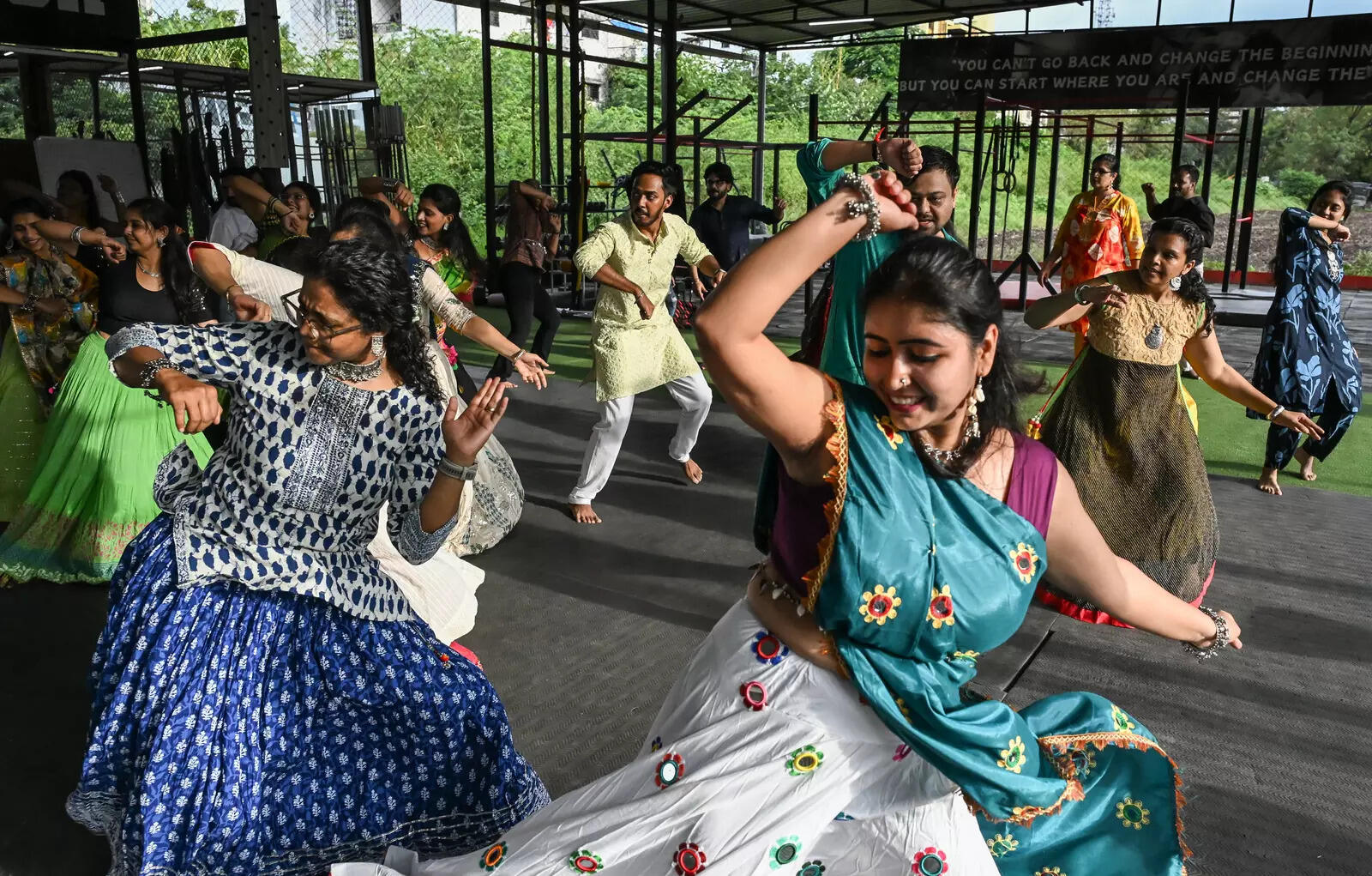
Navratri Vrat Without the Guesswork: Rules, Body Science and Workouts
Navratri fasting varies by family, region and community, so this blog lays out the vrat rules as commonly followed rather than as one fixed rulebook. It explains the main types of fast (full vrat, first-and-last-day, phalahar, one meal a day, nirjala) and who each suits physiologically. It covers what fasting does inside the body, both the benefits and the risks. It exposes vrat-food traps like sabudana and fried snacks, and busts myths about detox, sendha namak and weight loss. It then gives practical workout guidance for each fast type, plus warning signs for when to stop and see a doctor.

Desk Job Posture: How to Reduce Back Pain, Rounded Shoulders and Hip Stiffness
Long hours of sitting can contribute to stiffness, reduced activity and discomfort in the back, shoulders and hips—but there is no single perfect posture everyone must maintain. This evidence-based guide explains common desk-job posture concerns, including rounded shoulders, forward head posture and anterior pelvic tilt, while separating research-backed advice from common myths. Discover practical strength exercises, mobility routines, movement breaks and ergonomic adjustments to support better movement and back health. Learn how to build sustainable habits, what improvements to expect, and when professional medical evaluation is necessary.
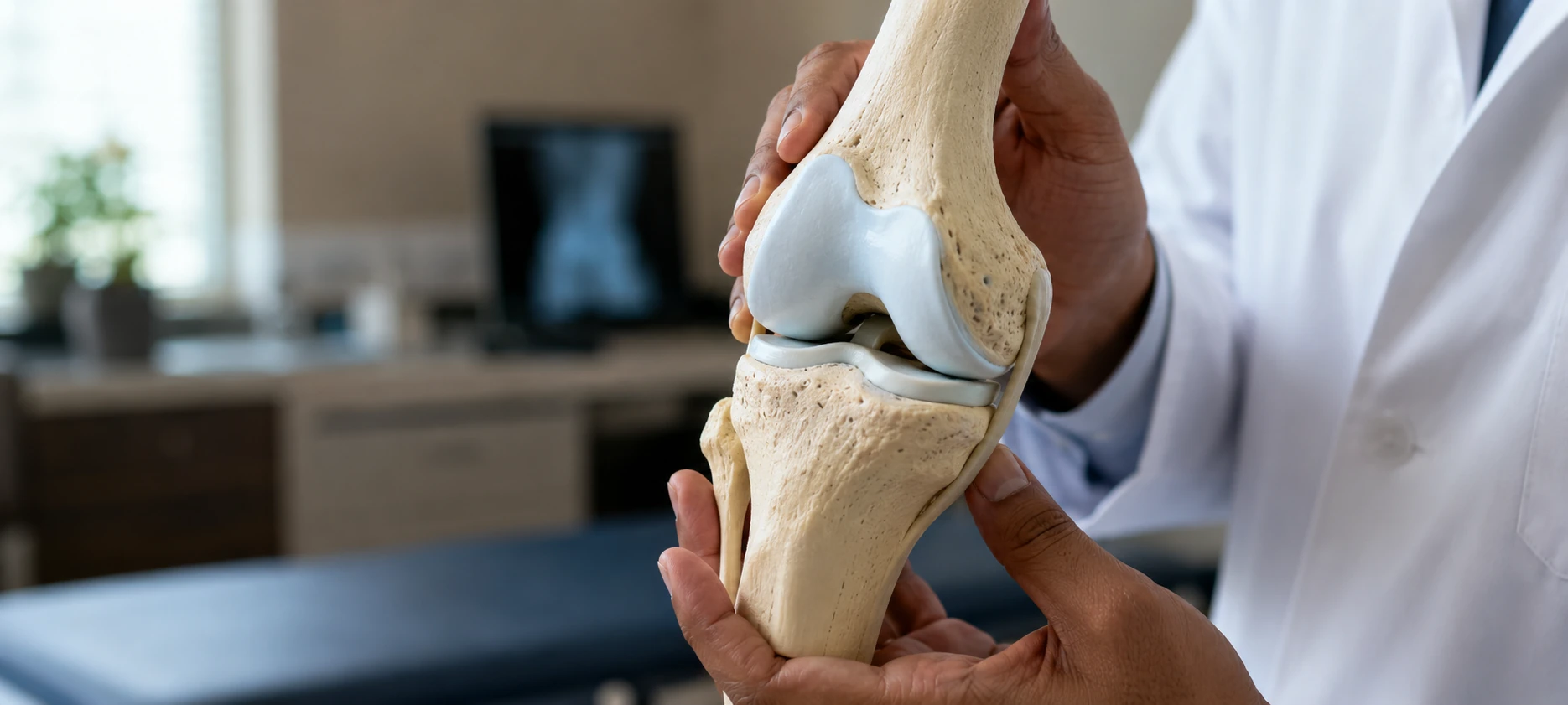
The Avascular Truth: Why Your Joints Take Months, Not Weeks, to Heal
Cartilage has almost no blood supply, so unlike muscle or skin it can't call in oxygen, nutrients, or repair cells fast — it relies on slow diffusion from joint fluid instead. This blog explains why that makes cartilage damage (like meniscus tears or worn knee cartilage) take months to partially heal, and sometimes never fully recover to its original quality. It covers what actually damages cartilage, the warning signs that mean "adjust training" rather than "push through," and busts common myths around joint cracking and glucosamine supplements. It closes with how Coach Himanshu builds training plans that protect joint longevity while still progressing strength and performance.
Ready to Start Your Fitness Journey?
Get personalized training and nutrition guidance from Coach Himanshu
Explore Plans