How Much Protein Per Day? Indian Guide to Muscle & Fat Loss
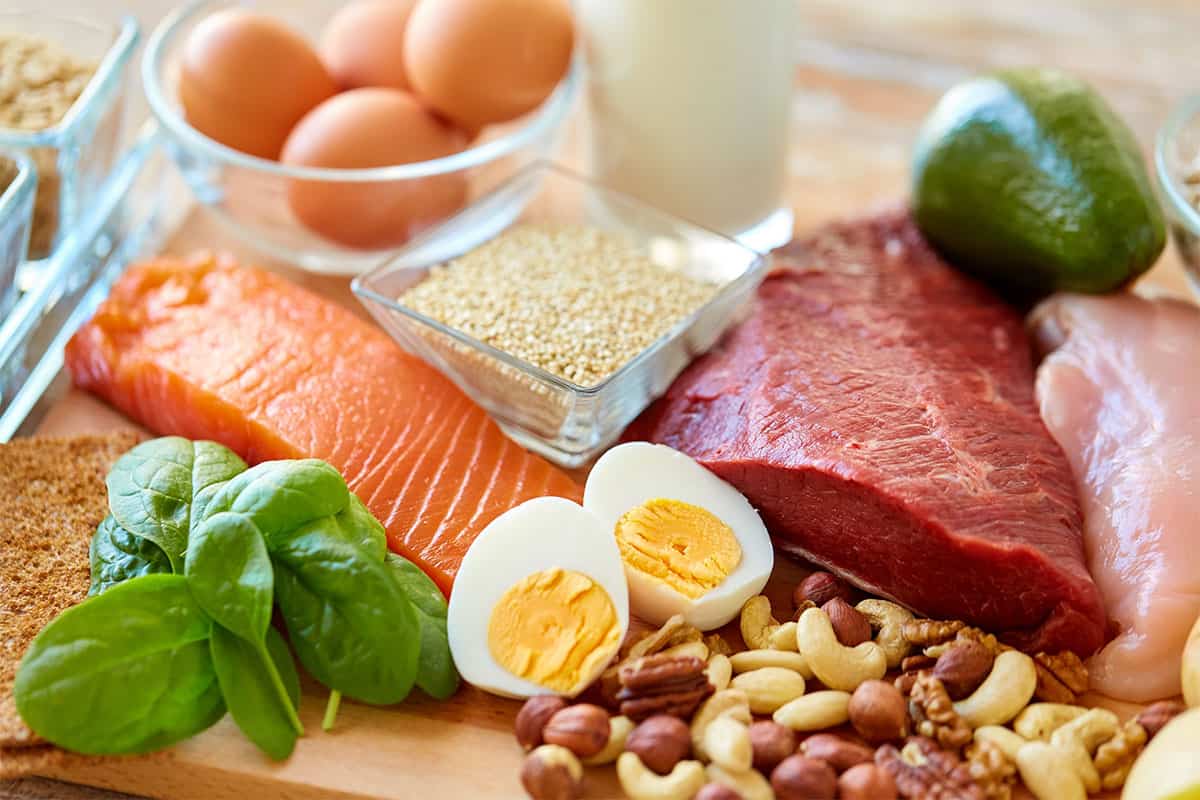
For most active Indians, the answer is 1.6 to 2.2 grams of protein per kilogram of bodyweight per day -- so a 70 kg person needs roughly 112 to 154 g. That single number does more for fat loss and muscle building than almost any supplement, fancy workout, or diet trend you can name.
Yet most Indians eat far too little of it. Our meals are built around rice, roti, and potatoes -- carb-heavy and protein-light. This guide gives you your exact daily protein target based on your goal, the best Indian foods to hit it (vegetarian and non-vegetarian), and a simple plan to actually get there.
How Much Protein Do You Need? (By Goal)
The official RDA of 0.8 g/kg is the bare minimum to avoid deficiency in a sedentary person -- it is not the amount that helps you build muscle, lose fat, or stay strong as you age. If you train, you need more.
| Your Goal | Protein Target | Example (70 kg) |
|---|---|---|
| General health, sedentary | 1.0-1.2 g/kg | 70-84 g |
| Fat loss (preserve muscle) | 1.8-2.2 g/kg | 126-154 g |
| Muscle building | 1.6-2.2 g/kg | 112-154 g |
| Active senior (50+) | 1.2-1.6 g/kg | 84-112 g |
If You Are Overweight, Use a Realistic Number
If you carry a lot of excess fat, calculating protein from your current weight can overshoot. Use your target or "ideal" bodyweight (or roughly 1.6-2.0 g per kg of a realistic goal weight) instead. Precision matters less than consistency -- get close and stay consistent.
Calculate Your Number in 10 Seconds
Step 1: Take your bodyweight in kg (e.g., 65 kg).
Step 2: Pick your multiplier -- 1.6 (active), 2.0 (building muscle or losing fat).
Step 3: Multiply. 65 x 2.0 = 130 g of protein per day.
Step 4: Split it across your meals -- roughly 25-40 g each, 3-4 times a day.
Why Indians Fall Short on Protein
A typical Indian plate -- two rotis, a big bowl of rice, aloo sabzi, and a small katori of dal -- might deliver only 15-20 g of protein for 600+ calories. The food is filling and carb-rich, but protein-poor. Common reasons Indians under-eat protein:
Carb-centric meals: Rice and roti take centre stage; protein is a side, not the base.
Under-counting dal: One katori of cooked dal has only ~7-8 g protein, not the 20 g many assume.
Vegetarian by default: Plant proteins are excellent but less concentrated, so portions must be bigger and more deliberate.
Skipping breakfast protein: Poha, paratha, or bread-based breakfasts are almost pure carbs.
Best Protein Sources for Indians
You do not need exotic or expensive foods. Here is the protein in common Indian foods, so you can build meals that add up.
Vegetarian Protein Sources
| Food | Serving | Protein |
|---|---|---|
| Soya chunks (dry) | 50 g (about 1 cup cooked) | ~26 g |
| Paneer | 100 g | ~18-20 g |
| Tofu | 100 g | ~10-12 g |
| Rajma / chana (cooked) | 1 katori | ~9 g |
| Dal (cooked) | 1 katori | ~7-8 g |
| Curd / dahi | 1 cup (200 g) | ~7 g |
| Milk | 1 glass (250 ml) | ~8 g |
| Peanuts | 30 g | ~8 g |
Non-Vegetarian Protein Sources
| Food | Serving | Protein |
|---|---|---|
| Chicken breast | 100 g | ~31 g |
| Fish (rohu, surmai, etc.) | 100 g | ~22 g |
| Eggs | 2 large | ~12 g |
| Egg whites | 4 | ~14 g |
How to Hit Your Protein Target
The trick is not one giant protein meal -- it is spreading protein across the day so muscle-building stays "switched on." Aim for 20-40 g per meal.
Sample High-Protein Indian Day (~130 g)
| Meal | Example | Protein |
|---|---|---|
| Breakfast | 3 egg / besan chilla + 1 glass milk | ~25 g |
| Lunch | Chicken/soya curry + dal + 2 roti + curd | ~40 g |
| Snack | Roasted chana + a handful of peanuts, or a whey shake | ~25 g |
| Dinner | Paneer/fish + sabzi + small millet portion | ~35 g |
Do You Need Protein Powder?
No -- whole foods can absolutely get you there. But a whey or plant protein scoop (~24 g) is a cheap, convenient way to close a gap, especially for vegetarians or on busy days. It is a supplement, not a requirement. Food first, powder to top up. For a deeper look, see our beginner's guide to protein supplements in India.
Is Too Much Protein Dangerous?
That said, more is not endlessly better. Beyond roughly 2.2 g/kg there is little extra muscle benefit for most people, and those calories are better spent elsewhere. Stay hydrated and get enough fibre, since high-protein diets can otherwise feel heavy.
What Changes When You Finally Eat Enough Protein
| Timeframe | What You Notice |
|---|---|
| Week 1-2 | Fewer cravings, more fullness between meals, steadier energy |
| Week 3-6 | Better recovery, less muscle soreness, easier fat loss |
| Month 2-3 | Visible muscle tone, strength gains, better body composition |
Protein is the one nutrient almost everyone under-eats and almost no one regrets prioritising. Get it right and everything else -- fat loss, muscle, energy -- gets easier.
Get a Protein Plan Built for You
Coach Himanshu builds personalised Indian meal plans that hit your exact protein target using foods you already eat -- vegetarian, eggetarian, or non-vegetarian -- without expensive supplements or bland "diet food." Every plan is matched to your goal, budget, and daily routine.
Take the free fitness assessment to get a plan tailored to your body, or explore the coaching plans. You may also like our guides on the best diet plan for muscle building, Indian vegetarian bodybuilding, and the best pre and post workout meals -- plus more on our fitness blog.
Frequently Asked Questions
How much protein do I need per day to build muscle?
To build muscle, aim for 1.6 to 2.2 grams of protein per kilogram of bodyweight per day. For a 70 kg person that is about 112 to 154 grams. Spread it across 3 to 4 meals of roughly 25 to 40 grams each, and combine it with progressive strength training -- protein builds muscle only when paired with the training stimulus.
How much protein per day for weight loss?
During weight loss, keep protein high -- around 1.8 to 2.2 g/kg -- even though you are eating fewer total calories. High protein preserves muscle while you lose fat, keeps you full so you eat less, and slightly increases the calories you burn through digestion. Cutting protein during a diet is a common mistake that leads to muscle loss and rebound weight gain.
Can I get enough protein on a vegetarian Indian diet?
Yes, absolutely. Build meals around soya chunks, paneer, tofu, dal, rajma, chana, curd, milk, and peanuts. Soya chunks are especially protein-dense and affordable. Because plant proteins are less concentrated than meat, vegetarians simply need larger and more deliberate portions -- and combining sources through the day (like dal with rice, or rajma with roti) easily covers all essential amino acids.
How much protein is in one katori of dal?
One katori (about one cup) of cooked dal contains only around 7 to 8 grams of protein -- much less than most people assume. Dal is a healthy protein source, but you cannot rely on it alone to meet your daily target. Pair it with curd, paneer, soya, eggs, or chicken to build a genuinely high-protein plate.
Is too much protein bad for your kidneys?
For people with healthy kidneys, high-protein diets in the 1.6 to 2.2 g/kg range have not been shown to cause kidney damage. The caution applies specifically to those with pre-existing kidney disease, who should follow medical advice. For healthy, active adults, this protein range is safe and well studied -- just stay well hydrated and eat enough fibre.
Do I need protein powder to hit my target?
No. Whole foods like eggs, chicken, paneer, soya, dal, and curd can fully meet your protein needs. Protein powder is simply a convenient, affordable way to close a gap on busy days or for vegetarians who find it hard to reach their number through food alone. Treat it as a top-up, not a requirement -- food first, powder second.
Your protein target is the highest-leverage change you can make to your diet. Calculate your number, anchor every meal with protein, and track it for a week. For a plan that hits it automatically with foods you love, take the free assessment or explore more on the knowledge hub.
Related Articles

The 20-Second Habit That Stops Most Infections: Soap vs Sanitiser, Myths and Proper Technique
Handwashing with plain soap and water for 20 seconds is one of the simplest, highest-return habits for preventing everyday stomach and respiratory infections—cutting diarrhoeal illness by roughly 30% and colds or flu by up to 21%. This evidence-based guide explains how soap physically breaks apart viruses and lifts bacteria off the skin, walks through the 6-step WHO handwashing technique, and compares soap against alcohol sanitisers. It also highlights critical times to wash in daily Indian routines, debunks common myths around hot water and antibacterial soaps, and shares simple tips to protect your skin from dryness.

Pregnancy Nutrition & Fitness Guide: What to Eat, Exercise & Avoid
This evidence-based pregnancy guide covers essential nutrition, supplements, and healthy weight gain throughout all three trimesters. Learn about safe exercises, recommended physical activity, and foods to eat, avoid, or limit during pregnancy. It also addresses common pregnancy myths, including papaya and pineapple, and explains important warning signs that require medical attention. A practical guide for Indian women to support a healthier pregnancy under proper medical guidance.

Vitamin B12 Deficiency in India: Symptoms, Foods, Tests & Treatment
Vitamin B12 is essential for healthy nerves, red blood cell formation and normal body function, yet deficiency can go unnoticed for years. This evidence-based guide explains the common symptoms, risk factors and why vegetarians in India may be particularly vulnerable. Discover reliable food sources, appropriate tests, supplement options and the truth behind popular B12 myths. Learn when to seek medical advice and how to address a deficiency safely. **Make informed nutrition choices with Coach Himanshu.**
Ready to Start Your Fitness Journey?
Get personalized training and nutrition guidance from Coach Himanshu
Explore Plans