Beginner's Guide to Protein Supplements in India
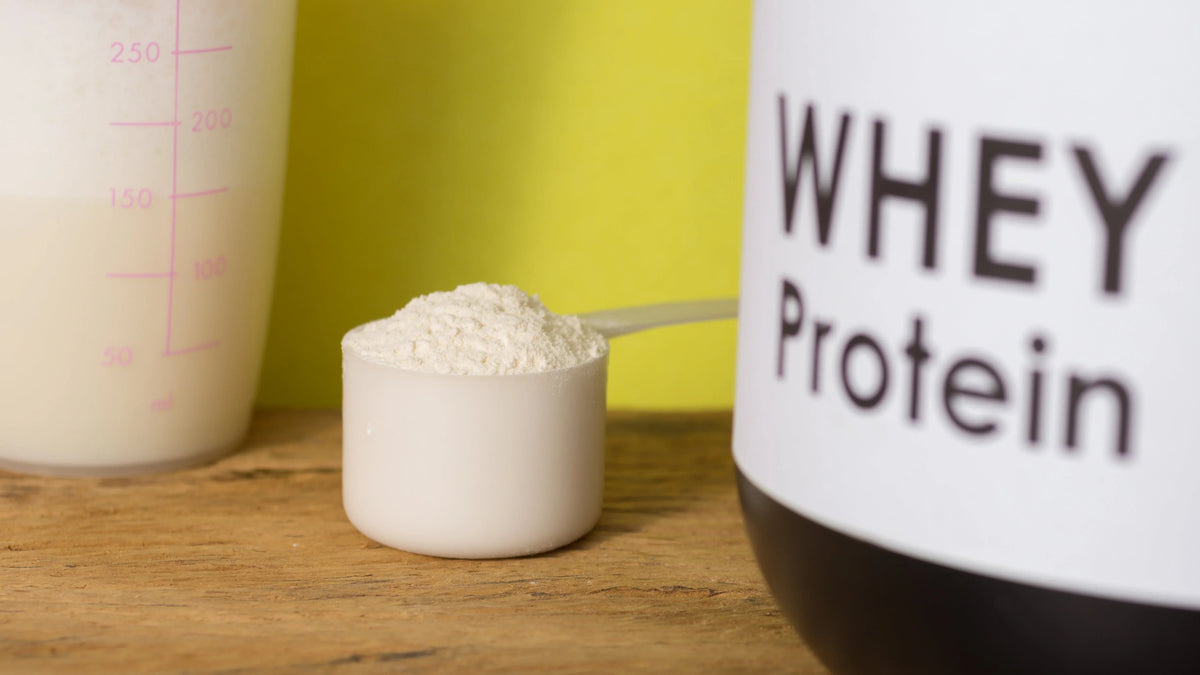
Walk into any supplement store in India and you will be overwhelmed -- rows of protein powders with flashy labels, wildly different prices, and confusing claims. The protein supplement market in India has exploded, but so has misinformation. This guide cuts through the noise with science-backed facts so you can make smart decisions about protein supplements.
Do You Actually Need a Protein Supplement?
First, let us be clear: protein powder is a supplement, not a requirement. It is meant to fill gaps in your diet when whole food alone does not meet your protein needs. If you can hit your daily protein target (1.6-2.2g per kg body weight for active individuals) through dal, paneer, eggs, chicken, and curd -- you do not need a supplement.
Types of Protein Supplements Available in India
1. Whey Protein Concentrate (WPC)
Protein content: 70-80% by weight
Best for: Most people. It is affordable, effective, and tastes good.
Price range: Rs 1,500-2,500 per kg
Whey concentrate is the most popular form in India. It contains some lactose and fat alongside the protein, which is perfectly fine for most people. This is what Coach Himanshu recommends for the majority of his clients.
2. Whey Protein Isolate (WPI)
Protein content: 90%+ by weight
Best for: Lactose-intolerant individuals or those on strict calorie cuts
Price range: Rs 2,500-4,000 per kg
Isolate goes through additional filtration to remove most of the lactose and fat. If concentrate gives you bloating or digestive discomfort, isolate is the better choice.
3. Casein Protein
Protein content: 80-85% by weight
Best for: A slow-digesting option, ideal before bed
Price range: Rs 2,000-3,500 per kg
Casein forms a gel in your stomach and releases amino acids slowly over 6-8 hours. Some athletes take it before sleep to support overnight muscle recovery.
4. Plant-Based Protein
Protein content: 70-80% by weight
Best for: Vegans, lactose-intolerant, or those who prefer plant sources
Price range: Rs 1,800-3,000 per kg
Typically made from pea, rice, soy, or blends. Look for blends that combine pea and rice protein for a complete amino acid profile.
How Much Protein Powder Should You Take?
Most people need just 1-2 scoops (25-50g protein) per day. Calculate your total daily protein need first, subtract what you get from food, and supplement only the remaining gap.
When to Take Protein Powder
- Post-workout (within 2 hours): The most popular timing. Your muscles are primed to absorb amino acids after training.
- Morning: If your breakfast is low in protein (just poha, idli, or toast), adding a shake helps front-load your protein intake.
- Between meals: As a snack to maintain steady amino acid levels throughout the day.
How to Spot Fake Protein Supplements in India
- Buy from authorized sellers: Brand websites, Amazon (official brand stores), or verified retailers
- Check the hologram and seal: Most reputable brands have tamper-proof seals and verification codes
- Verify on the brand website: Enter the batch number or scan the QR code
- Be wary of extreme discounts: If a Rs 3,000 product is selling for Rs 1,000, it is almost certainly fake
- Check texture and taste: Fake protein often has a chalky, gritty texture and an off taste
Trusted Protein Brands Available in India
- Optimum Nutrition (ON): Gold standard, widely available, reliable quality
- MuscleBlaze: Indian brand, good value for money, multiple variants
- MyProtein: UK brand, competitive pricing, wide flavour range
- Dymatize: High-quality isolate options
- AS-IT-IS Nutrition: Budget-friendly, unflavoured options
Budget-Friendly Protein Tips for Indian Athletes
- Unflavoured whey is cheaper: Add it to smoothies with banana and cocoa powder for flavour
- Buy during sales: Amazon Great Indian Sale, Flipkart Big Billion Days, and brand-specific sales offer 20-40% discounts
- Prioritize food first: 500g paneer (Rs 200) gives 90g protein. 6 eggs (Rs 45) give 39g protein. Supplements should fill gaps, not replace meals
- Consider soya chunks: Rs 100 per kg with 52g protein per 100g -- the cheapest protein source in India
Common Myths About Protein Supplements
Getting Expert Guidance on Supplements
Supplements work best when paired with a structured training and nutrition plan. Coach Himanshu provides personalised supplement guidance as part of all coaching plans -- helping you choose the right products, dosages, and timing based on your specific goals.
Ready to stop guessing and start progressing? Get expert guidance on supplements, nutrition, and training -- all in one plan.
Take the free fitness assessment to get started with a plan that includes complete nutrition and supplement guidance.
Related Articles

The 20-Second Habit That Stops Most Infections: Soap vs Sanitiser, Myths and Proper Technique
Handwashing with plain soap and water for 20 seconds is one of the simplest, highest-return habits for preventing everyday stomach and respiratory infections—cutting diarrhoeal illness by roughly 30% and colds or flu by up to 21%. This evidence-based guide explains how soap physically breaks apart viruses and lifts bacteria off the skin, walks through the 6-step WHO handwashing technique, and compares soap against alcohol sanitisers. It also highlights critical times to wash in daily Indian routines, debunks common myths around hot water and antibacterial soaps, and shares simple tips to protect your skin from dryness.

Pregnancy Nutrition & Fitness Guide: What to Eat, Exercise & Avoid
This evidence-based pregnancy guide covers essential nutrition, supplements, and healthy weight gain throughout all three trimesters. Learn about safe exercises, recommended physical activity, and foods to eat, avoid, or limit during pregnancy. It also addresses common pregnancy myths, including papaya and pineapple, and explains important warning signs that require medical attention. A practical guide for Indian women to support a healthier pregnancy under proper medical guidance.

Vitamin B12 Deficiency in India: Symptoms, Foods, Tests & Treatment
Vitamin B12 is essential for healthy nerves, red blood cell formation and normal body function, yet deficiency can go unnoticed for years. This evidence-based guide explains the common symptoms, risk factors and why vegetarians in India may be particularly vulnerable. Discover reliable food sources, appropriate tests, supplement options and the truth behind popular B12 myths. Learn when to seek medical advice and how to address a deficiency safely. **Make informed nutrition choices with Coach Himanshu.**
Ready to Start Your Fitness Journey?
Get personalized training and nutrition guidance from Coach Himanshu
Explore Plans