After 40, Joint Pain Is NOT Normal — It’s Your Poor Lifestyle

After 40, Joint Pain Is NOT Normal — It’s Your Poor Lifestyle
Most people believe that joint pain after 40 is natural and unavoidable. But science clearly proves that this belief is completely wrong.
If aging alone caused joint pain, then every person above 40 would suffer equally. But many individuals stay strong, mobile, and pain-free even in their 50s, 60s, and 70s.
Why People Experience Joint Pain After 40
1. Muscle Loss (Sarcopenia)
After the age of 30, the body naturally loses 3–8% muscle mass per decade. After 40, this muscle loss accelerates.
Less muscle means less joint support, forcing joints to absorb more stress — leading to pain, inflammation, and injury.
2. Sedentary Lifestyle & Poor Movement
Modern lifestyle involves excessive sitting, poor posture, and lack of physical activity.
- Weak glutes and core
- Tight hips and hamstrings
- Stiff spine
- Shoulder instability
All these factors directly contribute to chronic knee, back, shoulder, and neck pain.
3. Poor Nutrition & Chronic Inflammation
High sugar intake, refined carbs, fried food, alcohol, and processed food cause chronic inflammation that slowly damages joint cartilage.
4. Vitamin & Mineral Deficiencies
Common deficiencies after 40 include Vitamin D, Magnesium, Calcium, Omega-3, and Vitamin B12 — all crucial for joint health.
5. Loss of Mobility
Without full-range movement, joints become stiff, dry, and painful.
Scientific Truth
Active older adults have significantly healthier joints than sedentary young individuals.
A fit 50-year-old often has healthier joints than an inactive 25-year-old.
Why Painkillers Are NOT The Solution
Painkillers only suppress symptoms and do not fix the root cause. Long-term use leads to gut, liver, kidney, and dependency problems.
How To Permanently Fix Joint Pain After 40
1. Strength Training
Builds muscles, stabilizes joints, improves posture, and increases bone density.
2. Mobility & Flexibility
Daily 10–15 minutes of mobility work restores full joint function.
3. Fat Loss
Even 5–10% fat reduction significantly reduces joint stress.
4. Anti-Inflammatory Nutrition
Protein-rich diet, fruits, vegetables, omega-3, and hydration are essential.
5. Sleep & Stress Management
Proper recovery controls inflammation and joint repair.
Final Truth
Fix your lifestyle now before permanent damage happens.
Aging is inevitable. Weakness is optional.
Related Articles
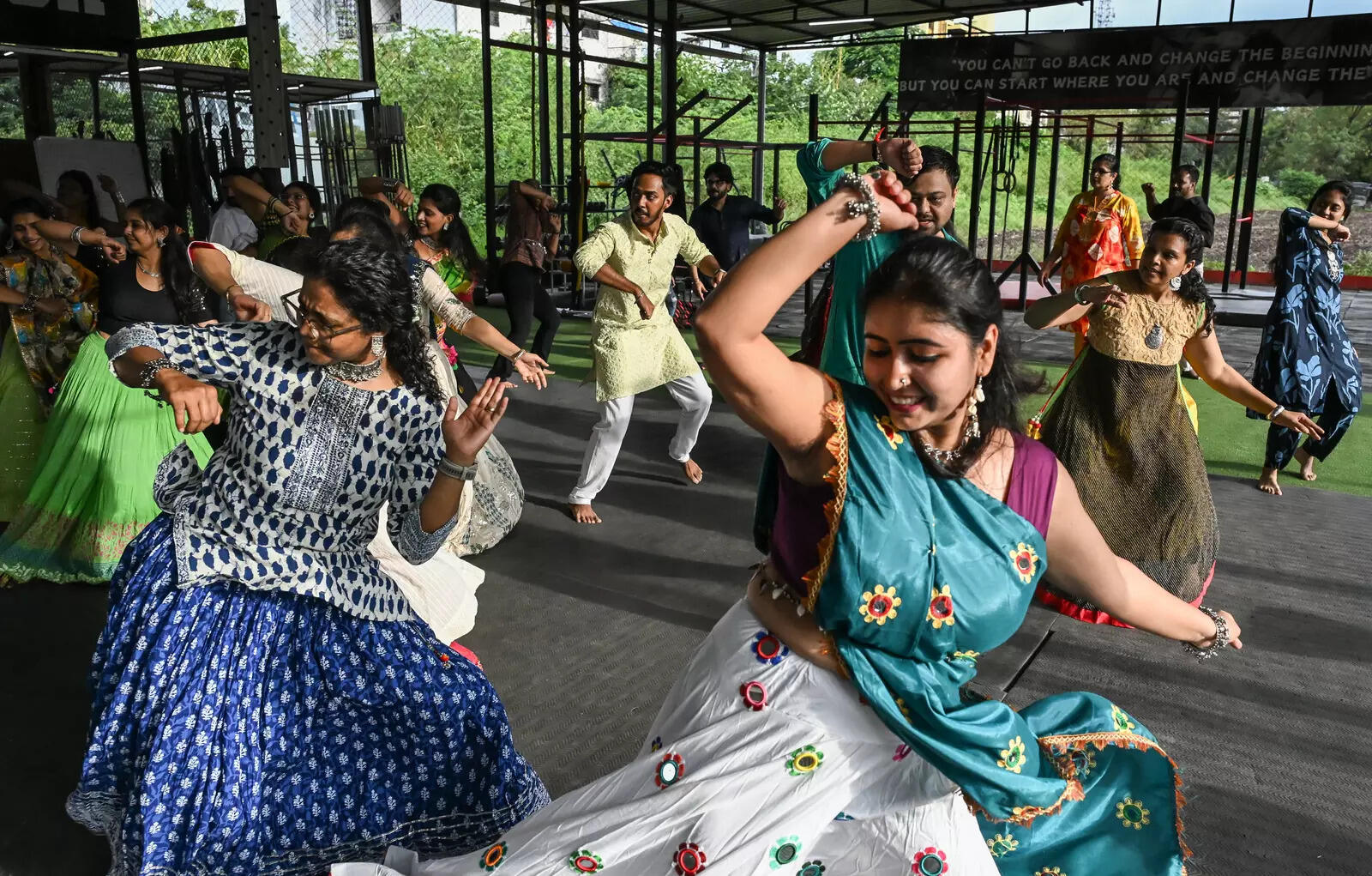
Navratri Vrat Without the Guesswork: Rules, Body Science and Workouts
Navratri fasting varies by family, region and community, so this blog lays out the vrat rules as commonly followed rather than as one fixed rulebook. It explains the main types of fast (full vrat, first-and-last-day, phalahar, one meal a day, nirjala) and who each suits physiologically. It covers what fasting does inside the body, both the benefits and the risks. It exposes vrat-food traps like sabudana and fried snacks, and busts myths about detox, sendha namak and weight loss. It then gives practical workout guidance for each fast type, plus warning signs for when to stop and see a doctor.

Desk Job Posture: How to Reduce Back Pain, Rounded Shoulders and Hip Stiffness
Long hours of sitting can contribute to stiffness, reduced activity and discomfort in the back, shoulders and hips—but there is no single perfect posture everyone must maintain. This evidence-based guide explains common desk-job posture concerns, including rounded shoulders, forward head posture and anterior pelvic tilt, while separating research-backed advice from common myths. Discover practical strength exercises, mobility routines, movement breaks and ergonomic adjustments to support better movement and back health. Learn how to build sustainable habits, what improvements to expect, and when professional medical evaluation is necessary.
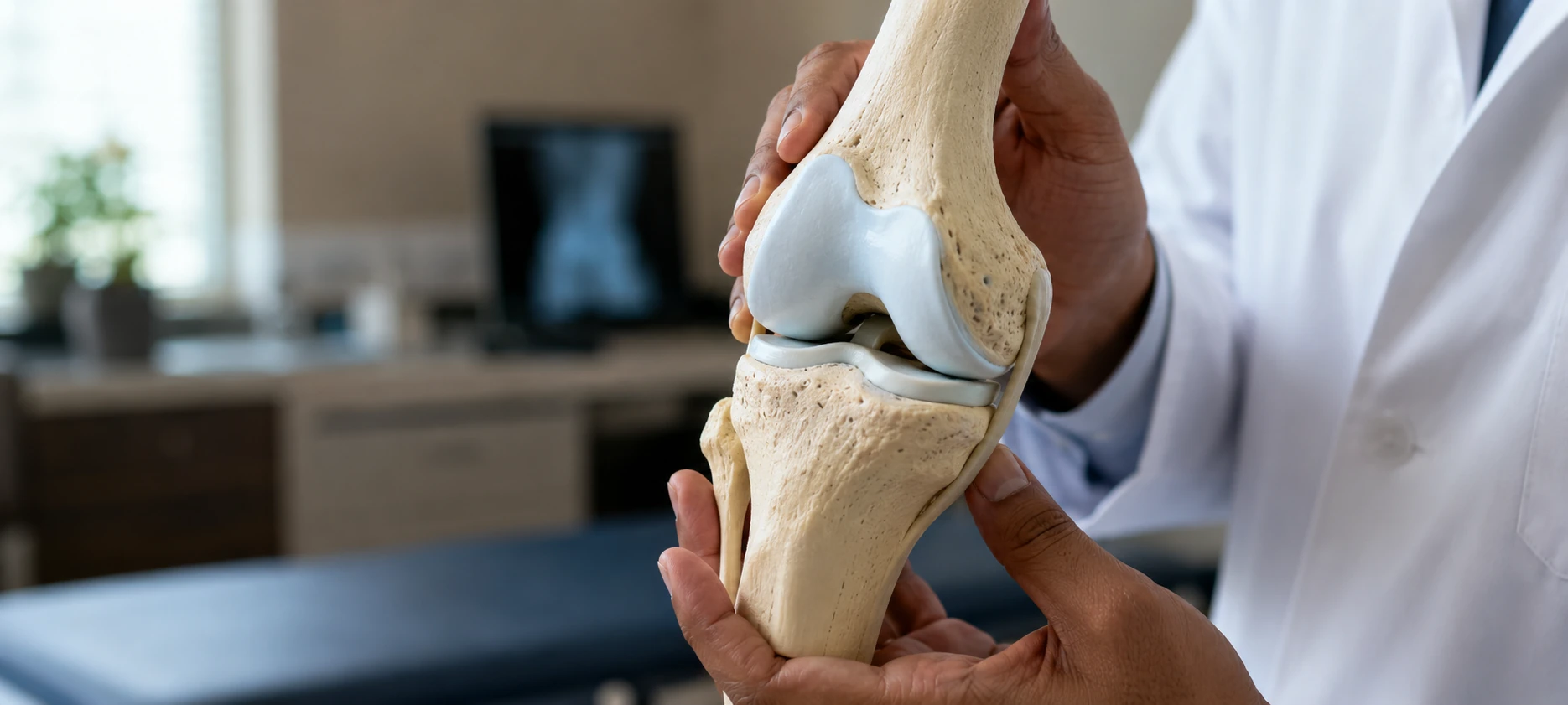
The Avascular Truth: Why Your Joints Take Months, Not Weeks, to Heal
Cartilage has almost no blood supply, so unlike muscle or skin it can't call in oxygen, nutrients, or repair cells fast — it relies on slow diffusion from joint fluid instead. This blog explains why that makes cartilage damage (like meniscus tears or worn knee cartilage) take months to partially heal, and sometimes never fully recover to its original quality. It covers what actually damages cartilage, the warning signs that mean "adjust training" rather than "push through," and busts common myths around joint cracking and glucosamine supplements. It closes with how Coach Himanshu builds training plans that protect joint longevity while still progressing strength and performance.
Ready to Start Your Fitness Journey?
Get personalized training and nutrition guidance from Coach Himanshu
Explore Plans