Coach Himanshu
•
January 14, 2026
•
5 min read

Plant Protein vs Animal Protein: A Scientific Deep Dive into Amino Acids, Biological Value, and Human Physiology
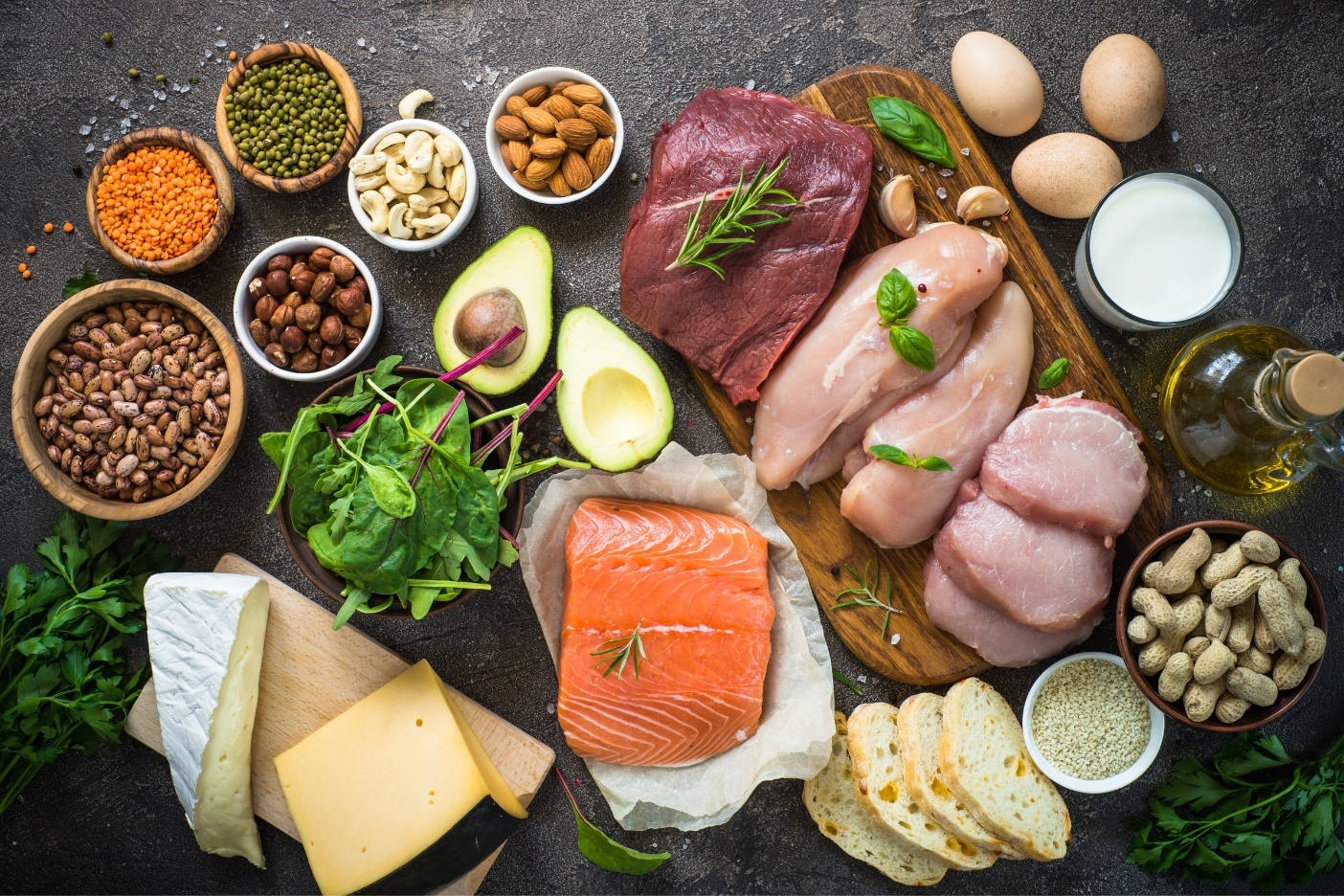
Plant Protein vs Animal Protein: A Scientific Deep Dive into Amino Acids, Biological Value, and Human Physiology
Plant vs Animal Protein — The Real Science Explained
Written by Coach Himanshu

Protein is a fundamental macronutrient required for growth, maintenance, and regulation of nearly every biological process in the human body.

While commonly divided into plant and animal sources, the true scientific difference lies in amino acid composition, digestibility, and biological utilization.

This article provides a detailed, evidence-based breakdown of protein science — without ideology, only physiology.

🔬 What Are Proteins and Amino Acids?

Proteins are complex biomolecules made up of amino acids linked by peptide bonds. The sequence of these amino acids determines the function of the protein.

🔷 The 20 Amino Acids

The human body uses 20 standard amino acids that serve structural, enzymatic, hormonal, immune, and transport functions.

🧬 Classification of Amino Acids

🔷 Essential Amino Acids (9)

Histidine, Isoleucine, Leucine, Lysine, Methionine, Phenylalanine, Threonine, Tryptophan, Valine — must be obtained through diet.

🔷 Non-Essential Amino Acids (11)

Alanine, Arginine*, Asparagine, Aspartate, Cysteine*, Glutamate, Glutamine*, Glycine, Proline, Serine, Tyrosine*.

*Conditionally essential during stress, illness, or aging.

⚙️ Why All 20 Amino Acids Matter

Protein synthesis requires the presence of all amino acids simultaneously. Missing even one creates a bottleneck — known as the limiting amino acid effect.

🔷 Key Roles

Muscle building (actin, myosin), neurotransmitters, immune function, detoxification, and energy metabolism.

⚖️ Amino Acid Profile — Plant vs Animal

🔷 Animal Protein

Complete amino acid profile, high leucine content, superior digestibility, and optimal biological efficiency.

Sources include meat, eggs, fish, and dairy.

🔷 Plant Protein

Often limited in one or more essential amino acids, lower digestibility, and requires higher intake for similar anabolic effect.

Exceptions include soy, quinoa, and buckwheat.

📊 Biological Value (BV) & Protein Quality

🔷 What Is BV?

Biological Value measures how efficiently protein is used in the body.

Formula: BV = (Nitrogen retained / Nitrogen absorbed) × 100

🔷 Comparison

Egg: ~100 | Whey: 104–110 | Casein: ~77 | Soy: ~55–60 | Wheat: ~54

Animal proteins consistently show higher BV due to superior amino acid composition.

⚡ Digestibility & Bioavailability

🔷 Evaluation Systems

PDCAAS and DIAAS are used to assess protein quality and absorption.

🔷 Plant Protein Limitations

Phytates, tannins, lectins, and enzyme inhibitors reduce digestibility.

Processing methods can improve absorption but do not fully match animal protein efficiency.

🔥 Leucine, mTOR & Muscle Growth

Leucine activates the mTOR pathway, which initiates muscle protein synthesis.

🔷 Key Insight

Animal proteins provide higher leucine per gram, making them more effective for muscle growth.

Plant proteins require higher intake to reach the same threshold.

🍽️ Macronutrient Roles by Food Source

🔷 Plant Foods

Primary source of carbohydrates, fiber, and antioxidants.

🔷 Animal Foods

Primary and most efficient source of high-quality protein.

🔷 Dairy

Provides both protein and biologically active fats.

❤️ Health & Longevity Perspective

🔷 Animal Protein

High protein density, superior muscle support, rich in B12, iron, zinc, creatine.

🔷 Considerations

Ultra-processed meats may increase health risks if consumed excessively.

🔷 Plant Protein

Supports gut health, provides fiber and antioxidants, but requires planning for complete nutrition.

🧠 Final Conclusion

From a physiological standpoint, animal protein offers superior amino acid completeness, biological value, and digestibility.

However, plant proteins can meet requirements when properly combined and consumed in adequate amounts.

The body does not recognize food labels — only amino acid availability and utilization.

The smartest approach is not ideological, but practical and individualized.

🏁 Coach Himanshu’s Note

This article focuses on biochemical and physiological mechanisms rather than dietary beliefs. The goal is to provide clarity through science so individuals can make informed decisions based on their goals, lifestyle, and health needs.

Related Articles

The 20-Second Habit That Stops Most Infections: Soap vs Sanitiser, Myths and Proper Technique

The 20-Second Habit That Stops Most Infections: Soap vs Sanitiser, Myths and Proper Technique

Handwashing with plain soap and water for 20 seconds is one of the simplest, highest-return habits for preventing everyday stomach and respiratory infections—cutting diarrhoeal illness by roughly 30% and colds or flu by up to 21%. This evidence-based guide explains how soap physically breaks apart viruses and lifts bacteria off the skin, walks through the 6-step WHO handwashing technique, and compares soap against alcohol sanitisers. It also highlights critical times to wash in daily Indian routines, debunks common myths around hot water and antibacterial soaps, and shares simple tips to protect your skin from dryness.

9 min read
Pregnancy Nutrition & Fitness Guide: What to Eat, Exercise & Avoid

Pregnancy Nutrition & Fitness Guide: What to Eat, Exercise & Avoid

This evidence-based pregnancy guide covers essential nutrition, supplements, and healthy weight gain throughout all three trimesters. Learn about safe exercises, recommended physical activity, and foods to eat, avoid, or limit during pregnancy. It also addresses common pregnancy myths, including papaya and pineapple, and explains important warning signs that require medical attention. A practical guide for Indian women to support a healthier pregnancy under proper medical guidance.

10 min read
Vitamin B12 Deficiency in India: Symptoms, Foods, Tests & Treatment

Vitamin B12 Deficiency in India: Symptoms, Foods, Tests & Treatment

Vitamin B12 is essential for healthy nerves, red blood cell formation and normal body function, yet deficiency can go unnoticed for years. This evidence-based guide explains the common symptoms, risk factors and why vegetarians in India may be particularly vulnerable. Discover reliable food sources, appropriate tests, supplement options and the truth behind popular B12 myths. Learn when to seek medical advice and how to address a deficiency safely. **Make informed nutrition choices with Coach Himanshu.**

10 min read

Ready to Start Your Fitness Journey?

Get personalized training and nutrition guidance from Coach Himanshu

Explore Plans

Request a free consultation

Leave your details and Coach Himanshu will get in touch within 24 hours. No payment, no commitment.

or message on WhatsApp instead →

Your details are only used to contact you about coaching. No spam, ever.

Get your free fitness assessment today

Chat with us