Indian Vegetarian Bodybuilding: Complete Protein and Workout Guide
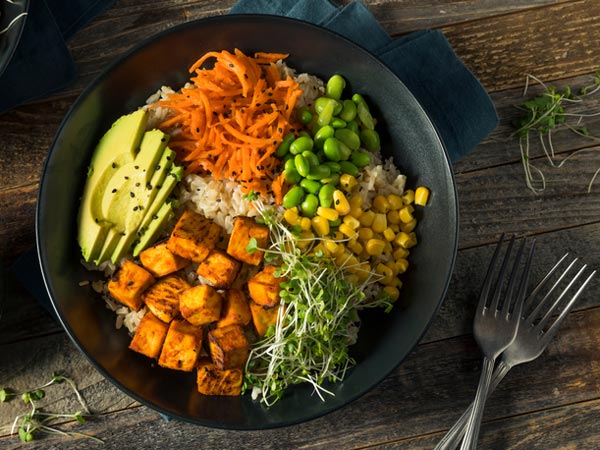
The biggest myth in Indian fitness is that you cannot build a muscular, strong physique on a vegetarian diet. This is categorically false. Some of the strongest humans in history -- from Hanuman-worshipping Indian wrestlers (pehlwans) to modern Olympic athletes -- have built extraordinary physiques on plant-based nutrition. The challenge is not whether it is possible, but whether you know how to do it right.
The average Indian vegetarian diet is protein-deficient, carb-heavy, and poorly planned for muscle building. But with the right knowledge and meal planning, Indian vegetarian bodybuilding is not just possible -- it can be optimal. This guide gives you everything you need: the science, the foods, the meal plans, and the training.
The Protein Problem: Why Most Indian Vegetarians Fall Short
To build muscle, you need 1.6-2.2g of protein per kg of body weight daily. For a 70 kg man, that is 112-154g of protein. Most Indian vegetarian diets deliver barely 40-50g. The gap is massive, and it is the primary reason vegetarian Indians struggle to build muscle.
Complete vs Incomplete Proteins
Most plant proteins are "incomplete" -- they lack one or more essential amino acids. However, combining different plant proteins throughout the day provides all essential amino acids. You do not need to combine them in the same meal.
| Protein Source | Protein per 100g | Cost per 100g Protein | Limiting Amino Acid |
|---|---|---|---|
| Soya chunks (meal maker) | 52g | Rs 20 | Methionine |
| Paneer | 18g | Rs 200 | None (complete) |
| Chana (chickpeas) | 19g (raw) | Rs 40 | Methionine |
| Moong dal | 24g (raw) | Rs 35 | Methionine |
| Rajma (kidney beans) | 22g (raw) | Rs 35 | Methionine |
| Greek yoghurt/hung curd | 10g | Rs 100 | None (complete) |
| Peanuts | 26g | Rs 30 | Lysine |
| Milk | 3.3g | Rs 150 | None (complete) |
| Whey protein | 80g | Rs 80 | None (complete) |
| Tofu | 8g | Rs 200 | Methionine |
High-Protein Vegetarian Meal Plan for Muscle Building
Plan A: 2500 kcal, 150g Protein (70 kg male, bulking)
| Meal | Food | Calories | Protein |
|---|---|---|---|
| Breakfast (7 AM) | Oats (50g) cooked in milk (200ml) + 1 scoop whey + banana | 450 | 35g |
| Mid-Morning (10 AM) | Peanut butter sandwich (2 slices bread + 2 tbsp PB) + glass of milk | 400 | 18g |
| Lunch (1 PM) | Soya chunk curry (50g dry) + 2 roti + dal (1 bowl) + curd | 550 | 38g |
| Pre-workout (4 PM) | Banana + handful of roasted chana | 200 | 7g |
| Post-workout (6:30 PM) | Whey protein shake + 1 roti with paneer bhurji (100g paneer) | 450 | 40g |
| Dinner (9 PM) | Rajma curry + 1.5 cups rice + salad | 450 | 17g |
Plan B: 1800 kcal, 130g Protein (Cutting/Fat Loss Phase)
Breakfast: Besan chilla (2 large) + mint chutney + curd (1 cup) -- 350 kcal, 25g protein
Mid-Morning: Whey protein with water + 5 almonds -- 150 kcal, 27g protein
Lunch: Soya chunk biryani (50g soya, 0.5 cup rice) + raita + salad -- 400 kcal, 32g protein
Evening: Sprouts chaat with onion, tomato, lemon -- 150 kcal, 10g protein
Dinner: Paneer tikka (150g) + 1 roti + dal + sabzi -- 500 kcal, 30g protein
Before Bed: Warm milk with turmeric -- 100 kcal, 6g protein
The Vegetarian Bodybuilding Workout Programme
Your training should be no different from a non-vegetarian bodybuilder. The stimulus for muscle growth comes from progressive resistance training, regardless of your protein source.
Push-Pull-Legs Split (6 days per week)
Day 1 - Push: Bench press 4x8, Overhead press 3x10, Incline dumbbell press 3x12, Lateral raises 3x15, Tricep dips 3x12
Day 2 - Pull: Deadlifts 4x6, Barbell rows 4x8, Lat pulldowns 3x12, Face pulls 3x15, Barbell curls 3x12
Day 3 - Legs: Squats 4x8, Romanian deadlifts 3x10, Leg press 3x12, Leg curls 3x12, Calf raises 4x15
Day 4 - Push: Repeat with variations (dumbbell press, Arnold press, cable flyes)
Day 5 - Pull: Repeat with variations (pull-ups, cable rows, dumbbell curls)
Day 6 - Legs: Repeat with variations (front squats, Bulgarian split squats, leg extensions)
Day 7 - Rest
Essential Supplements for Vegetarian Bodybuilders
| Supplement | Why Vegetarians Need It | Recommended Product | Monthly Cost |
|---|---|---|---|
| Whey Protein | Most efficient way to bridge the protein gap | MuscleBlaze or ON Gold Standard | Rs 2,000-3,000 |
| Creatine Monohydrate | Vegetarians have lower muscle creatine stores; supplementation shows greater benefit | Any unflavoured creatine monohydrate | Rs 400-600 |
| Vitamin B12 | Found almost exclusively in animal products; deficiency is common in Indian vegetarians | Methylcobalamin 1000mcg | Rs 150-250 |
| Vitamin D3 | Most Indians are deficient regardless of diet | Cholecalciferol 2000-4000 IU | Rs 150-300 |
| Omega-3 (Algae-based) | Plant omega-3 (ALA from flax) converts poorly to EPA/DHA | Algae-based DHA supplement | Rs 500-800 |
Debunking Vegetarian Bodybuilding Myths
Your diet is your choice. Your physique is your creation. Being vegetarian is not a limitation -- it is simply a different path to the same destination.
Start Your Vegetarian Muscle-Building Journey
Coach Himanshu creates customised vegetarian bodybuilding plans that maximise protein intake within your dietary preferences and budget. Whether you are a pure vegetarian, lacto-vegetarian, or flexitarian, he will design a plan that works for your goals.
Take the free fitness assessment to get a vegetarian muscle-building plan, or explore the coaching plans to start building the physique you want. For more nutrition and training insights, check out our fitness blog.
Related Articles

The 20-Second Habit That Stops Most Infections: Soap vs Sanitiser, Myths and Proper Technique
Handwashing with plain soap and water for 20 seconds is one of the simplest, highest-return habits for preventing everyday stomach and respiratory infections—cutting diarrhoeal illness by roughly 30% and colds or flu by up to 21%. This evidence-based guide explains how soap physically breaks apart viruses and lifts bacteria off the skin, walks through the 6-step WHO handwashing technique, and compares soap against alcohol sanitisers. It also highlights critical times to wash in daily Indian routines, debunks common myths around hot water and antibacterial soaps, and shares simple tips to protect your skin from dryness.

Pregnancy Nutrition & Fitness Guide: What to Eat, Exercise & Avoid
This evidence-based pregnancy guide covers essential nutrition, supplements, and healthy weight gain throughout all three trimesters. Learn about safe exercises, recommended physical activity, and foods to eat, avoid, or limit during pregnancy. It also addresses common pregnancy myths, including papaya and pineapple, and explains important warning signs that require medical attention. A practical guide for Indian women to support a healthier pregnancy under proper medical guidance.

Vitamin B12 Deficiency in India: Symptoms, Foods, Tests & Treatment
Vitamin B12 is essential for healthy nerves, red blood cell formation and normal body function, yet deficiency can go unnoticed for years. This evidence-based guide explains the common symptoms, risk factors and why vegetarians in India may be particularly vulnerable. Discover reliable food sources, appropriate tests, supplement options and the truth behind popular B12 myths. Learn when to seek medical advice and how to address a deficiency safely. **Make informed nutrition choices with Coach Himanshu.**
Ready to Start Your Fitness Journey?
Get personalized training and nutrition guidance from Coach Himanshu
Explore Plans