Fitness After 50: Strength Training Guide for Seniors in India

There is a dangerous myth in India that once you cross 50, you should "take it easy" and stick to morning walks. The reality is the exact opposite: after 50 is precisely when strength training becomes most critical. Without it, you lose 1-2% of your muscle mass every year after 50 (a condition called sarcopenia), your bones weaken, your balance deteriorates, and your risk of falls, fractures, and diabetes skyrockets.
The good news? It is never too late to start. Research shows that even people in their 70s and 80s can build significant muscle and strength with proper resistance training. This guide is your complete roadmap to fitness after 50 in the Indian context.
Why Strength Training is Non-Negotiable After 50
Morning walks are wonderful for heart health and mood, but they do almost nothing to preserve muscle mass, bone density, or functional strength. Here is what strength training uniquely provides:
Muscle Preservation: Directly combats sarcopenia, maintaining your ability to climb stairs, carry groceries, and get up from the floor
Bone Density: Weight-bearing exercise stimulates bone formation, reducing osteoporosis risk -- especially critical for Indian women post-menopause
Blood Sugar Control: Muscle is your body's largest glucose sink. More muscle means better insulin sensitivity and blood sugar management
Fall Prevention: Stronger legs and better balance reduce fall risk by up to 40%
Mental Health: Resistance training reduces depression and anxiety symptoms by 30-45% in older adults
Independence: The ability to live independently in your 70s and 80s depends on the muscle and strength you build and maintain in your 50s and 60s
Getting Started: Medical Clearance and Assessment
Before beginning any exercise programme, get medical clearance from your doctor. This is especially important if you have:
- Heart disease or high blood pressure
- Diabetes (Type 1 or Type 2)
- Arthritis or joint replacements
- Osteoporosis or history of fractures
- Any condition requiring regular medication
The Beginner-Friendly Strength Training Programme
Week 1-4: Foundation Phase (3 days per week)
| Exercise | Sets | Reps | Notes |
|---|---|---|---|
| Chair-assisted squats | 3 | 10 | Squat to chair height and stand back up |
| Wall push-ups | 3 | 10 | Hands on wall, feet 2 feet away |
| Seated dumbbell press | 3 | 10 | Start with 2-3 kg dumbbells |
| Standing calf raises | 3 | 15 | Hold a chair for balance |
| Dead hangs or band pulls | 3 | 8 | Strengthens grip and upper back |
| Farmer's walk | 3 | 30 sec | Walk with weights in each hand |
Week 5-12: Building Phase (3-4 days per week)
| Exercise | Sets | Reps | Notes |
|---|---|---|---|
| Goblet squats | 3 | 12 | Hold dumbbell at chest |
| Incline push-ups (progressing to floor) | 3 | 10 | Lower the surface as you get stronger |
| Dumbbell rows | 3 | 12 | One arm at a time, supported on bench |
| Dumbbell lunges | 3 | 10/leg | Hold wall for balance if needed |
| Overhead press | 3 | 10 | Standing or seated |
| Plank holds | 3 | 20-30 sec | Build up gradually |
Nutrition for Seniors: The Indian Approach
Protein needs actually increase after 50, not decrease. Older adults need 1.2-1.6g of protein per kg body weight to maintain muscle -- yet most Indian seniors eat far less than this.
High-Protein Indian Foods for Seniors
Breakfast options: Moong dal chilla (12g protein), besan chilla (10g protein), paneer paratha (15g protein), egg bhurji with roti (18g protein)
Lunch/Dinner: Rajma-chawal (15g protein), chole with roti (14g protein), fish curry with rice (25g protein), chicken curry (28g protein), dal with roti (12g protein)
Snacks: Roasted chana (10g per 30g serving), curd/dahi (8g per cup), paneer cubes (14g per 100g), sprouts chaat (8g per serving)
Essential Supplements for Seniors
| Supplement | Daily Dose | Why It Matters | Monthly Cost |
|---|---|---|---|
| Vitamin D3 | 2000-4000 IU | 80% of Indian seniors are deficient; essential for bones and muscles | Rs 150-300 |
| Calcium | 500-1000 mg | Bone density support, especially for women | Rs 200-400 |
| Omega-3 (Fish Oil) | 1000-2000 mg | Reduces joint inflammation and supports heart health | Rs 300-500 |
| Whey Protein (optional) | 25g (1 scoop) | Helps meet increased protein needs if diet falls short | Rs 1,500-2,500 |
Safety Guidelines and Injury Prevention
- Always warm up: 5-10 minutes of light walking or joint rotations before lifting
- Never hold your breath: Breathe out during the effort phase, breathe in during the return
- Avoid jerky movements: Slow, controlled reps (2-3 seconds each way) are safer and more effective
- Stop if you feel sharp pain: Muscle fatigue is normal; sharp, shooting pain is not
- Stay hydrated: Drink water before, during, and after exercise. Dehydration risk increases with age
Joint-Friendly Modifications
Knee issues: Replace deep squats with half-squats or leg press; avoid lunges if they cause pain
Shoulder issues: Use neutral grip (palms facing each other) for pressing movements; avoid behind-the-neck exercises
Back issues: Use supported positions (seated exercises, back against wall); avoid heavy deadlifts initially
Arthritis: Exercise when joints feel least stiff (usually mid-morning); use lighter weights with higher reps
Success Stories: Never Too Late to Start
At 58, I thought my best days were behind me. After 6 months of structured strength training, I can carry my grandchild up two flights of stairs without getting breathless. My doctor reduced my diabetes medication. I wish I had started 10 years earlier.
Begin Your Strength Journey Today
Age is not a barrier -- it is a reason to start. Coach Himanshu designs age-appropriate, joint-friendly strength training programmes for seniors across India. Whether you are 50 or 75, the right programme can transform your health, energy, and independence.
Take the free fitness assessment to get a programme designed for your age, fitness level, and any medical conditions. Or explore the coaching plans to find the right support level. For more fitness insights, visit our fitness blog.
Related Articles
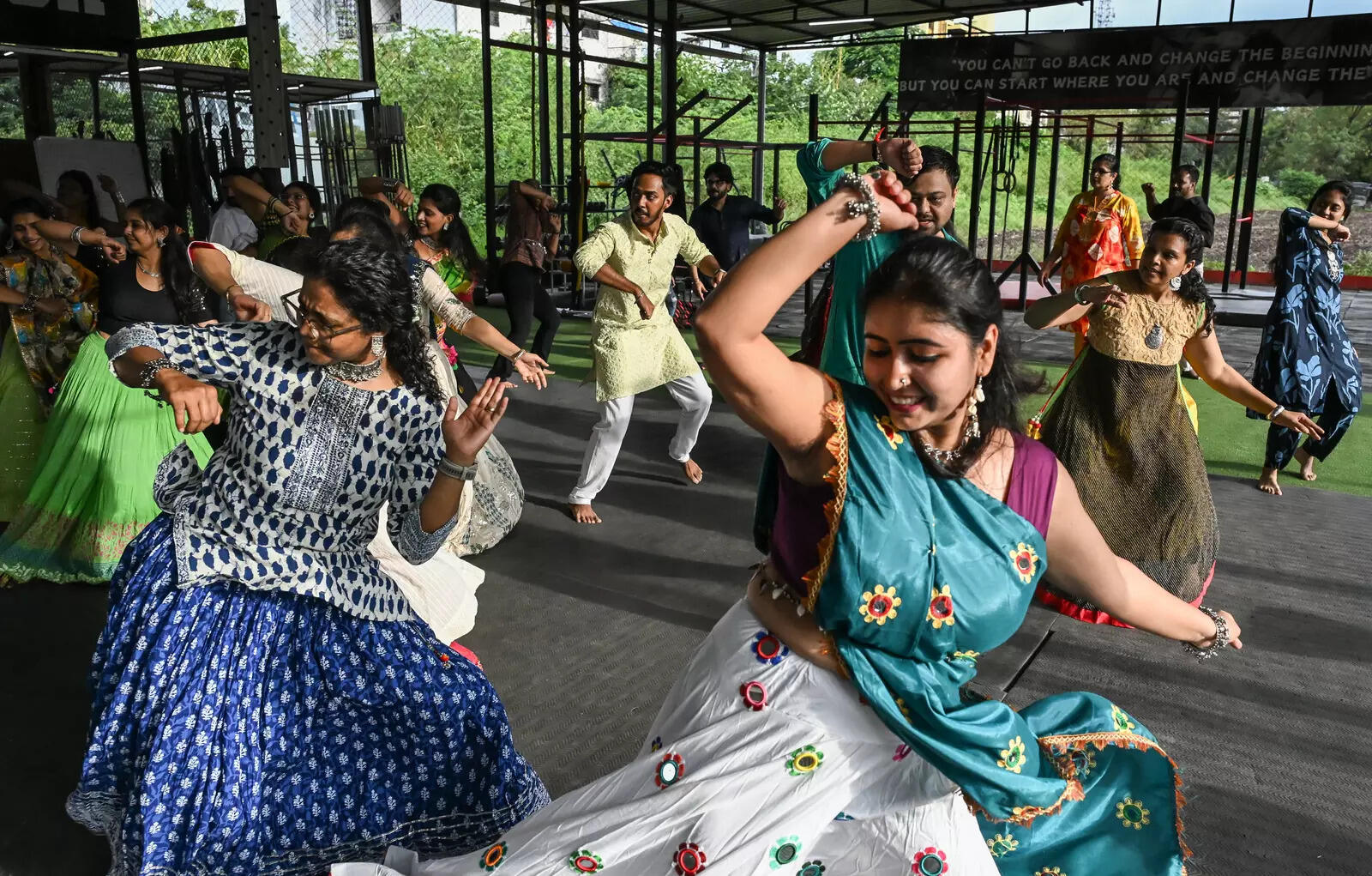
Navratri Vrat Without the Guesswork: Rules, Body Science and Workouts
Navratri fasting varies by family, region and community, so this blog lays out the vrat rules as commonly followed rather than as one fixed rulebook. It explains the main types of fast (full vrat, first-and-last-day, phalahar, one meal a day, nirjala) and who each suits physiologically. It covers what fasting does inside the body, both the benefits and the risks. It exposes vrat-food traps like sabudana and fried snacks, and busts myths about detox, sendha namak and weight loss. It then gives practical workout guidance for each fast type, plus warning signs for when to stop and see a doctor.

Desk Job Posture: How to Reduce Back Pain, Rounded Shoulders and Hip Stiffness
Long hours of sitting can contribute to stiffness, reduced activity and discomfort in the back, shoulders and hips—but there is no single perfect posture everyone must maintain. This evidence-based guide explains common desk-job posture concerns, including rounded shoulders, forward head posture and anterior pelvic tilt, while separating research-backed advice from common myths. Discover practical strength exercises, mobility routines, movement breaks and ergonomic adjustments to support better movement and back health. Learn how to build sustainable habits, what improvements to expect, and when professional medical evaluation is necessary.
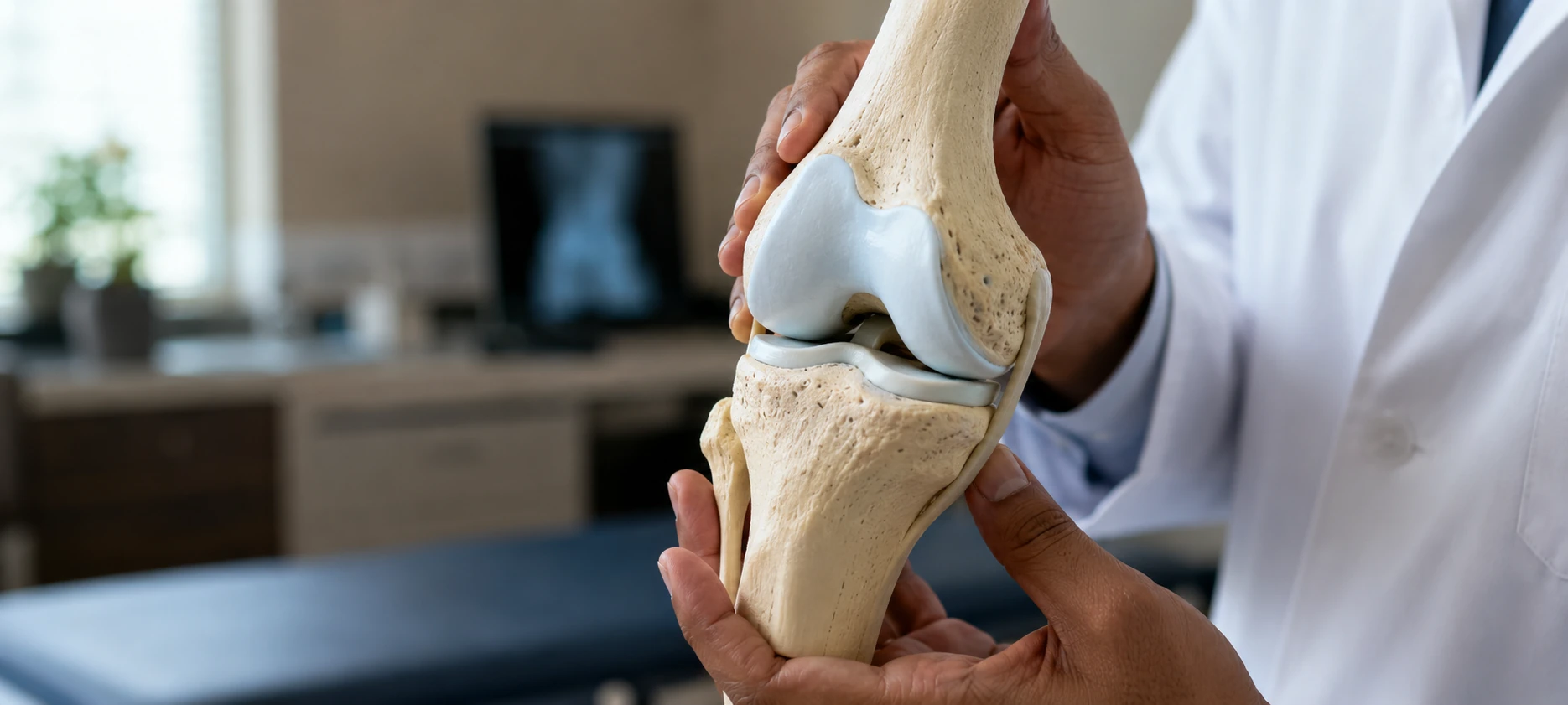
The Avascular Truth: Why Your Joints Take Months, Not Weeks, to Heal
Cartilage has almost no blood supply, so unlike muscle or skin it can't call in oxygen, nutrients, or repair cells fast — it relies on slow diffusion from joint fluid instead. This blog explains why that makes cartilage damage (like meniscus tears or worn knee cartilage) take months to partially heal, and sometimes never fully recover to its original quality. It covers what actually damages cartilage, the warning signs that mean "adjust training" rather than "push through," and busts common myths around joint cracking and glucosamine supplements. It closes with how Coach Himanshu builds training plans that protect joint longevity while still progressing strength and performance.
Ready to Start Your Fitness Journey?
Get personalized training and nutrition guidance from Coach Himanshu
Explore Plans