The Biology Behind Weight Regain
)
Most people believe that losing weight is the hardest part of the journey.
In reality, keeping the weight off is often much harder than losing it.
This is why millions of people experience the same frustrating cycle:
If you've ever wondered why this happens, it isn't because your body is "broken" or because you lack willpower. Your body is simply doing what it has evolved to do for thousands of years — protect you from starvation.
Understanding this biological response is one of the most important lessons in fitness.
Your Body Doesn't Know You're Dieting
Your body doesn't understand words like fat loss, summer body, wedding preparation, or beach physique.
It only understands one thing: energy availability.
When you consistently eat fewer calories than your body requires, your brain interprets it as a potential threat to survival. To protect you, your body begins making several adjustments — some helpful, many working directly against long-term weight loss.
The First Weight You Lose Isn't Always Fat
One reason people become overconfident during the first few weeks of dieting is rapid weight loss.
But not all of this weight comes from body fat. Early weight loss often includes:
- Glycogen (stored carbohydrates)
- Water
- Food present inside the digestive system
- Some body fat
This explains why progress often slows after the first few weeks. Fat loss was never supposed to stay at the initial speed.
Your Metabolism Starts Adapting
One of the biggest reasons people regain weight is something called metabolic adaptation.
As body weight decreases:
- A smaller body burns fewer calories.
- Daily movement becomes more energy efficient.
- Resting energy expenditure decreases.
- Your body becomes better at conserving energy.
Hunger Hormones Become Stronger
Your body doesn't simply burn fewer calories. It also tries to make you eat more. Several hormones change during prolonged calorie restriction. You may notice:
- Increased hunger
- Stronger food cravings
- Reduced fullness after meals
- More thoughts about food
Many people think they suddenly lost discipline. In reality, their biology became stronger than their previous eating habits.
You Naturally Move Less Without Realizing It
One of the most overlooked reasons for weight regain is a decrease in spontaneous physical activity. Scientists refer to this as Non-Exercise Activity Thermogenesis (NEAT).
This includes walking, standing, fidgeting, household work, taking stairs, and general activity throughout the day. During dieting, many people unknowingly:
- Sit longer
- Walk less
- Move more slowly
- Become less active overall
This reduces total calorie expenditure even if formal workouts remain exactly the same.
Losing Muscle Makes Maintenance Harder
If weight loss is achieved through crash dieting without adequate protein and resistance training, the body doesn't lose only fat. It also loses muscle.
This matters because muscle is metabolically active tissue. Less muscle means:
- Lower daily energy expenditure
- Reduced strength
- Poorer physical function
- Easier weight regain over time
This is one reason resistance training is considered one of the most valuable tools during weight loss. As discussed in our previous article, your body follows the principle of "Use It or Lose It." If muscles are no longer challenged, your body gradually stops investing energy in maintaining them.
Old Habits Usually Return
Many diets are built around restriction instead of education. Examples include no carbohydrates, no sugar, no eating after 7 PM, extremely low-calorie diets, and liquid-only diets. These approaches may produce quick weight loss.
But they rarely teach sustainable eating habits. Once the diet ends, people often return to the same behaviors that caused weight gain in the first place. The weight usually follows.
Stress and Sleep Play a Bigger Role Than Most People Think
Poor sleep and chronic stress affect much more than energy levels. They can:
- Increase hunger
- Reduce exercise performance
- Increase cravings for high-calorie foods
- Reduce recovery
- Make healthy decisions more difficult
Why "Dieting" Often Fails
Many people approach weight loss like a temporary project — "I'll diet for three months." But your body doesn't care how long your diet lasts. If your old lifestyle returns after reaching your goal, your old body often returns as well.
The goal should never be to find a temporary diet. The goal should be to build habits you can realistically maintain for years.
Sustainable Weight Loss Looks Different
Long-term success usually includes:
- Moderate calorie deficit
- Sufficient protein intake
- Regular resistance training
- Daily physical activity
- Good sleep
- Stress management
- Flexible eating habits
- Patience
These habits may not produce dramatic changes in two weeks. But they produce results that are far more likely to last.
The Real Goal Isn't Losing Weight
Anyone can lose weight for a short period. The real challenge is becoming the kind of person who can maintain a healthy body for life.
That requires education — not shortcuts.
Knowledge — not myths.
Consistency — not perfection.
Final Thoughts
Weight regain is not a sign of failure. It is often the result of biology, unrealistic expectations, temporary diets, muscle loss, reduced activity, and returning to old habits. The body is incredibly adaptive.
If you consistently give it reasons to store energy, it will. If you consistently give it reasons to stay lean, strong, and active, it will adapt in that direction too.
The question isn't: "How can I lose weight quickly?"
Need Professional Guidance?
Every person's metabolism, lifestyle, schedule, training experience, and nutritional needs are different. A program that works for someone else may not work for you. If you're tired of losing weight only to gain it back, let's build a sustainable approach based on science — not shortcuts.
Work With Coach Himanshu →Related Articles
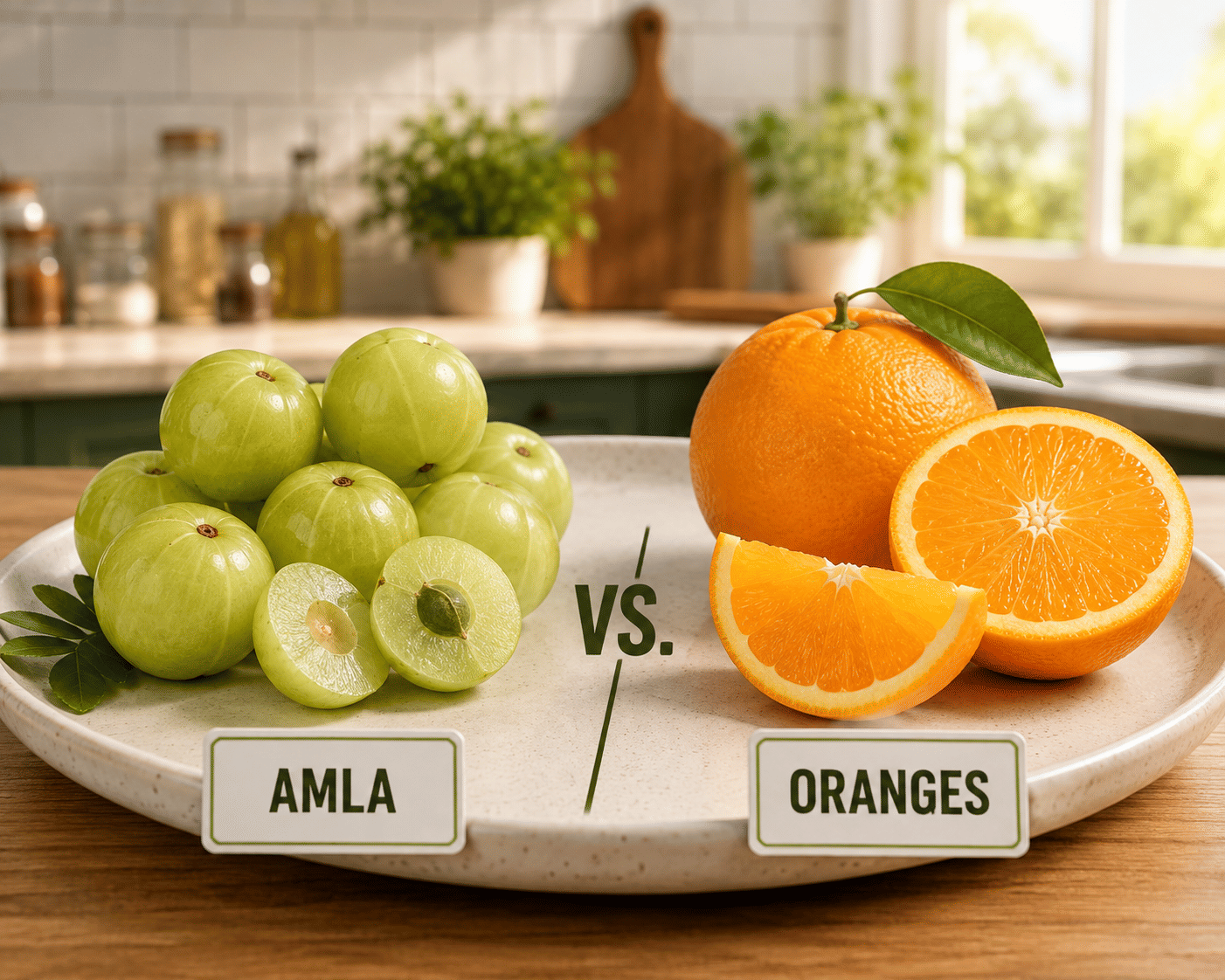
Amla vs Orange: The Real Vitamin C Rankings for Indian Diets
This blog explains what vitamin C really does in the body, how much you actually need, and which Indian foods give you the most of it — spoiler: amla and guava beat oranges by far. It clears up common myths, like the idea that taking huge doses prevents colds, using a simple color-coded myth vs. fact section. It also covers who might need a bit more vitamin C (like smokers), how much is too much, and why food sources are better than relying on serums or supplements alone.
The Calorie Calculator That Finally Understands Indian Food
Most calorie apps aren't built for Indian food — they can't tell you what a katori of dal actually costs you. This post introduces the Indian Food Calorie Calculator, a tool with 600+ Indian foods searchable in real household units (katori, roti, cup), pulling data from INDB, ICMR and USDA sources. It walks through how to use it, breaks down a real thali's calories and protein as an example, and makes the point that knowing your numbers is step one — a personalized plan is step two.
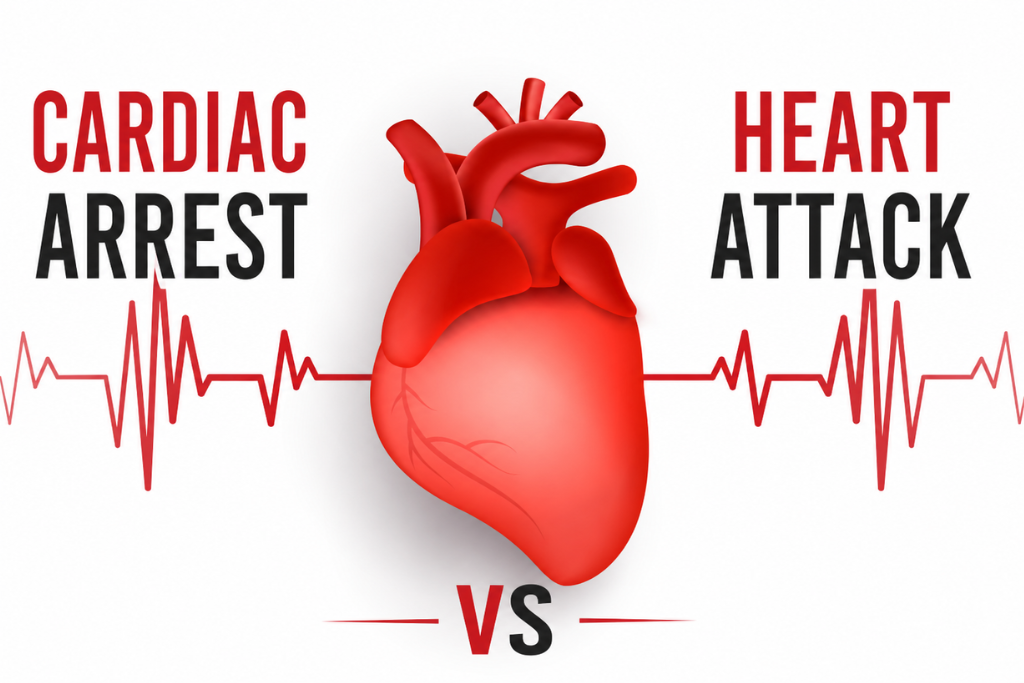
Your Heart Can Fail Two Ways — Here's the Difference
Most people use "heart attack" and "cardiac arrest" as if they mean the same thing — they don't. A heart attack is a circulation problem caused by a blocked artery, while cardiac arrest is an electrical malfunction that stops the heart from beating altogether. This blog breaks down the real difference, how one can trigger the other, and why knowing this could change how you respond in an emergency. It also connects the science back to everyday nutrition and training, showing how consistent diet and exercise habits help protect your heart long-term.
Ready to Start Your Fitness Journey?
Get personalized training and nutrition guidance from Coach Himanshu
Explore Plans